
- Home
- X-Ray and Metal Detector for Food Inspection Lines
X-Ray and Metal Detector Food Inspection Solutions
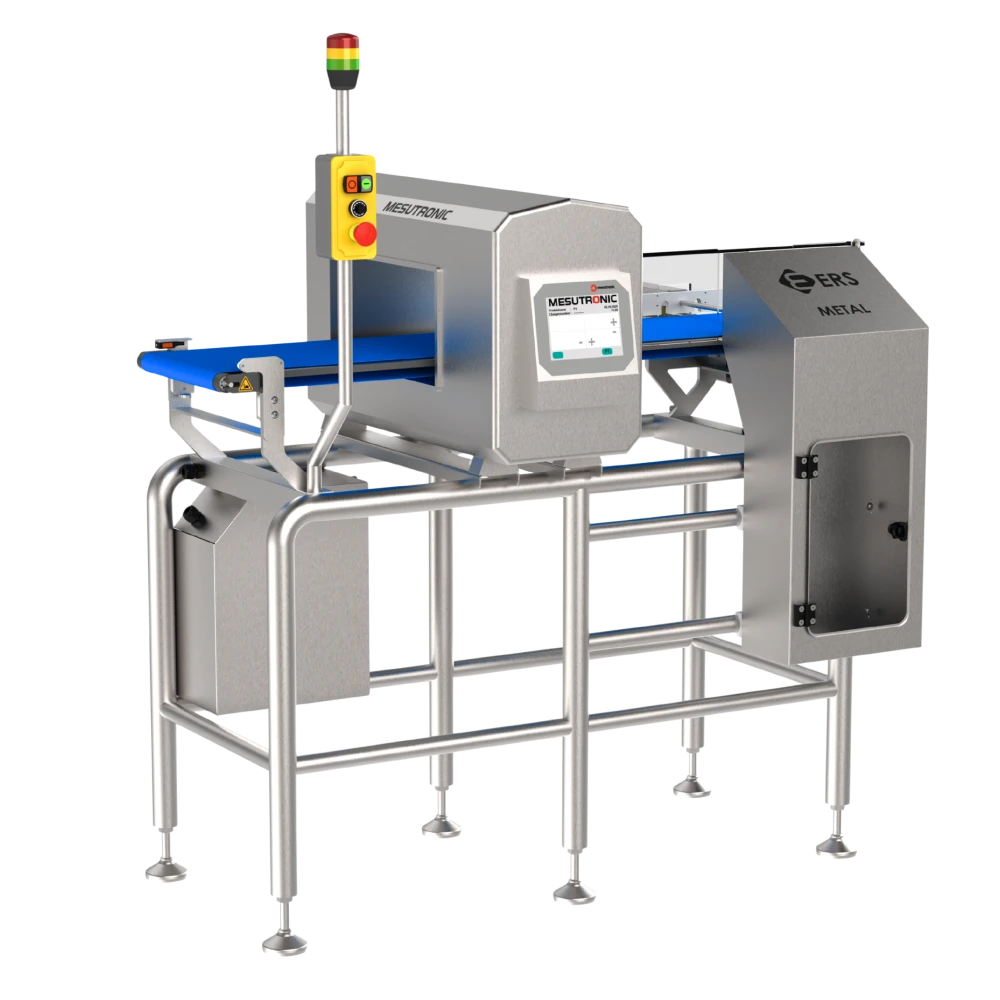
X-Ray and Metal Detector
In modern food production, inspection technology is no longer a secondary consideration. It is a core part of product safety, brand protection, and line efficiency. Manufacturers are expected to detect contamination accurately, maintain reliable production standards, and ensure that non-conforming products do not move further along the line. For this reason, choosing between x-ray inspection and metal detector systems has become one of the most important decisions in food processing and packaging operations.
Both technologies play a major role in protecting food products, but they do not work in the same way and they do not offer the same inspection scope. A metal detector is designed specifically to detect metallic contaminants, while an x-ray system can identify a wider range of foreign materials depending on product type, density, and packaging format. For food manufacturers, understanding the difference between these systems is essential for building the right inspection strategy.
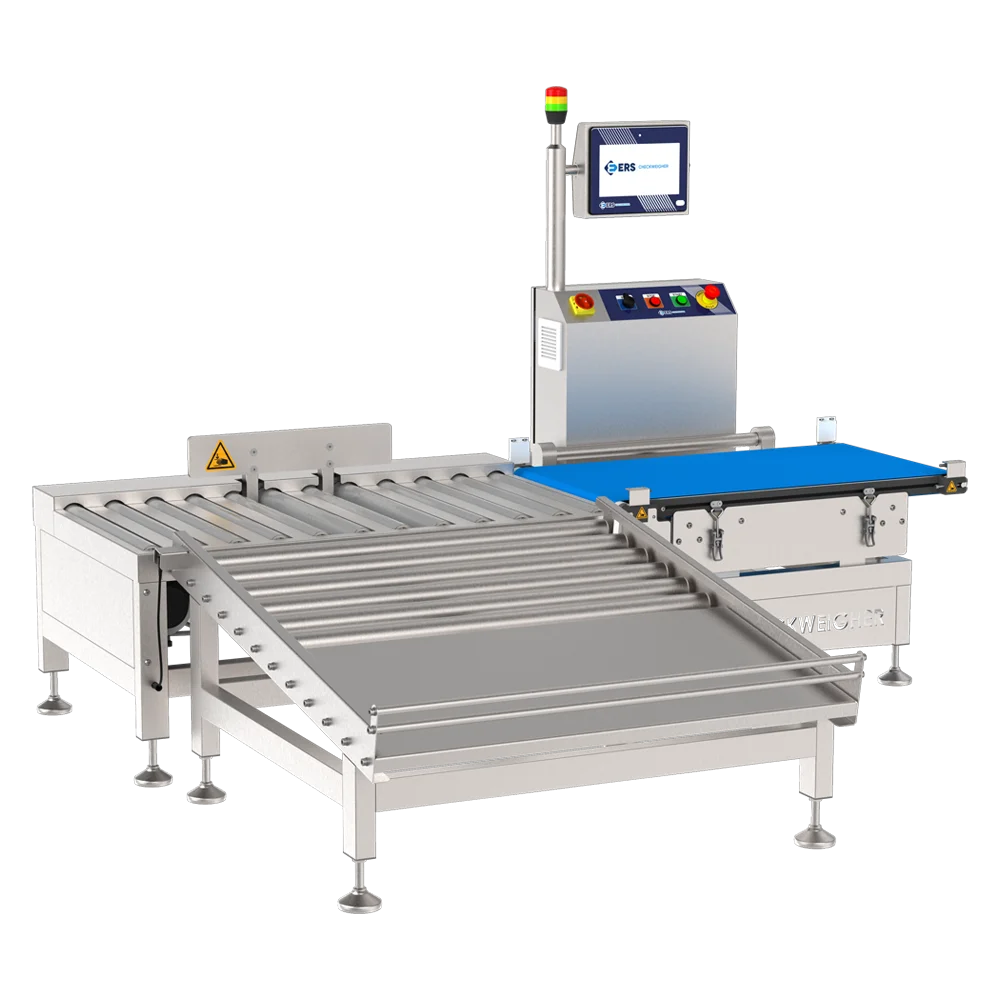
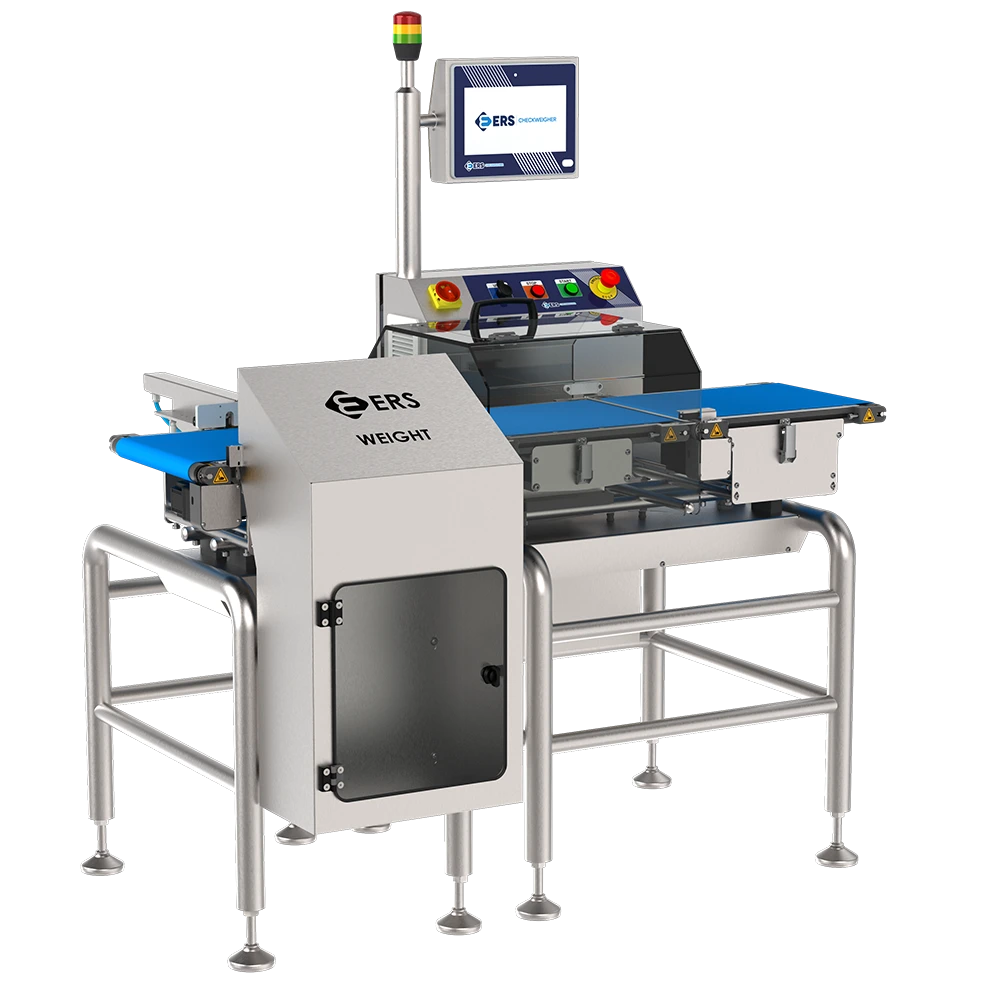
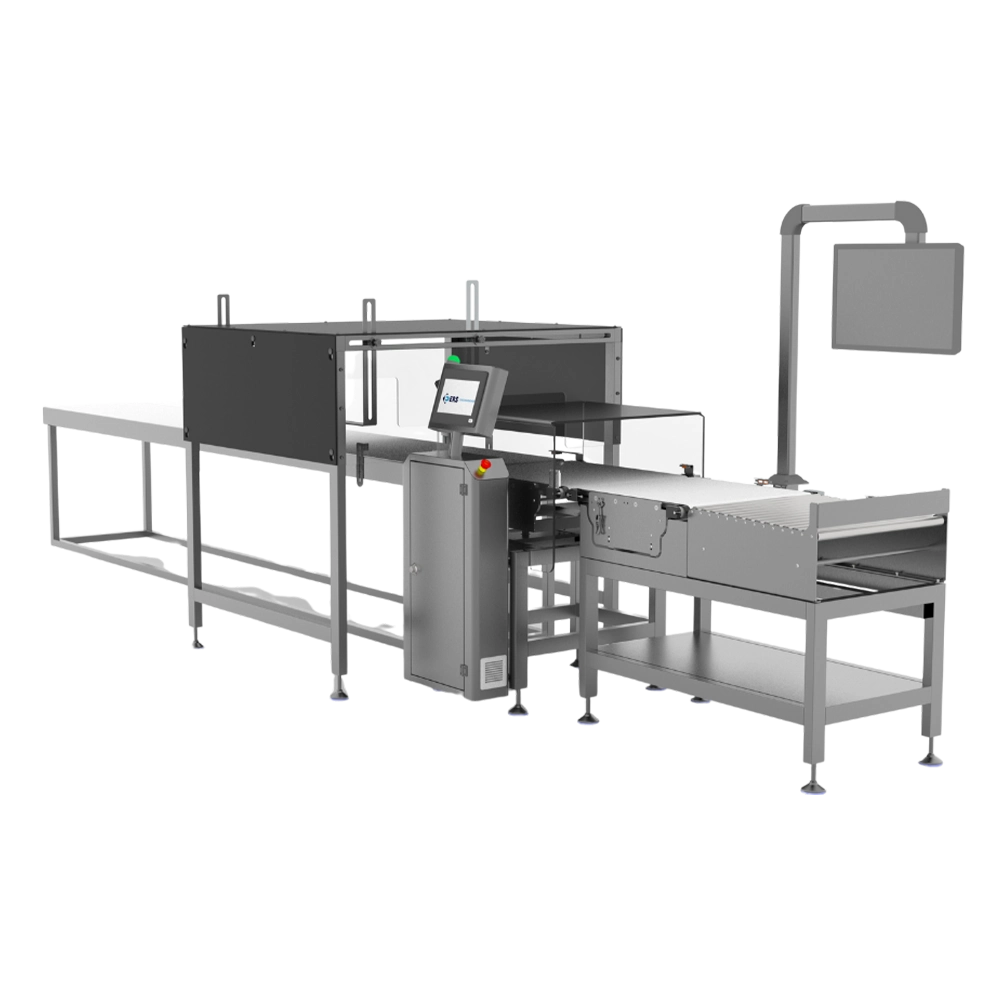

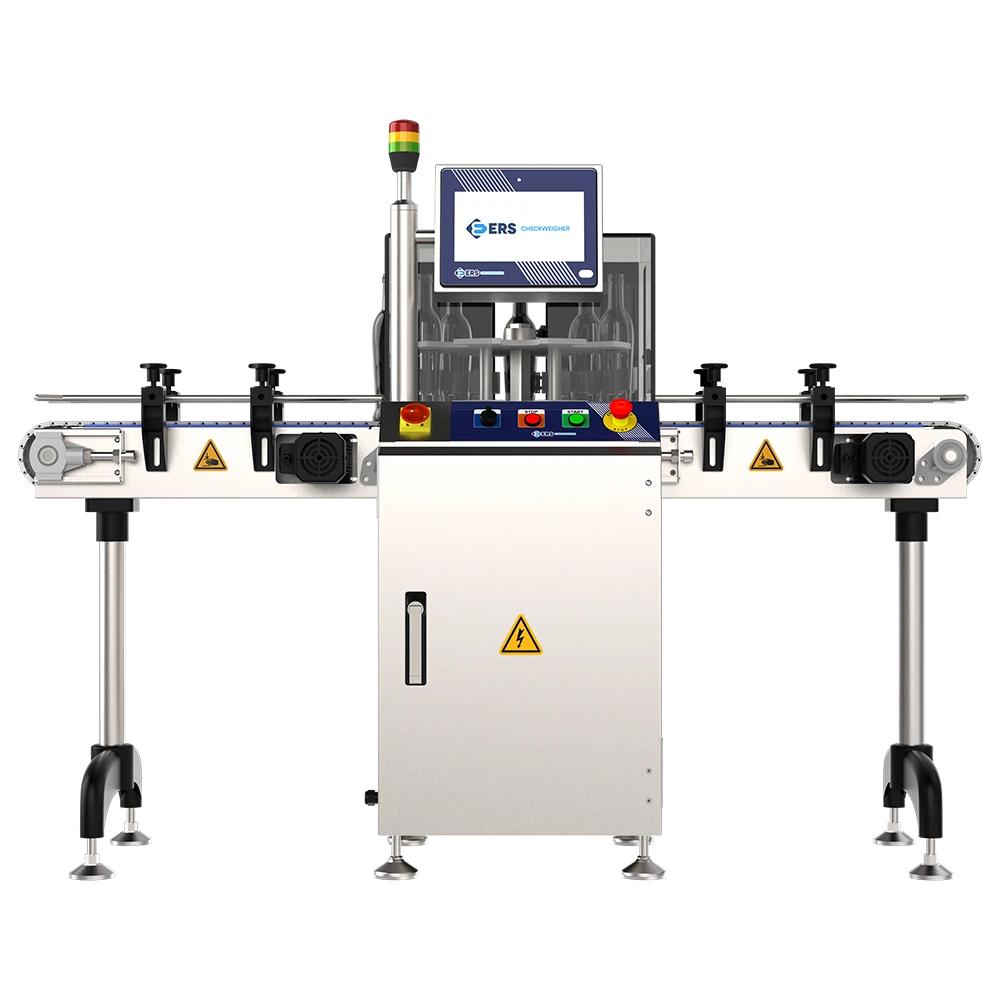

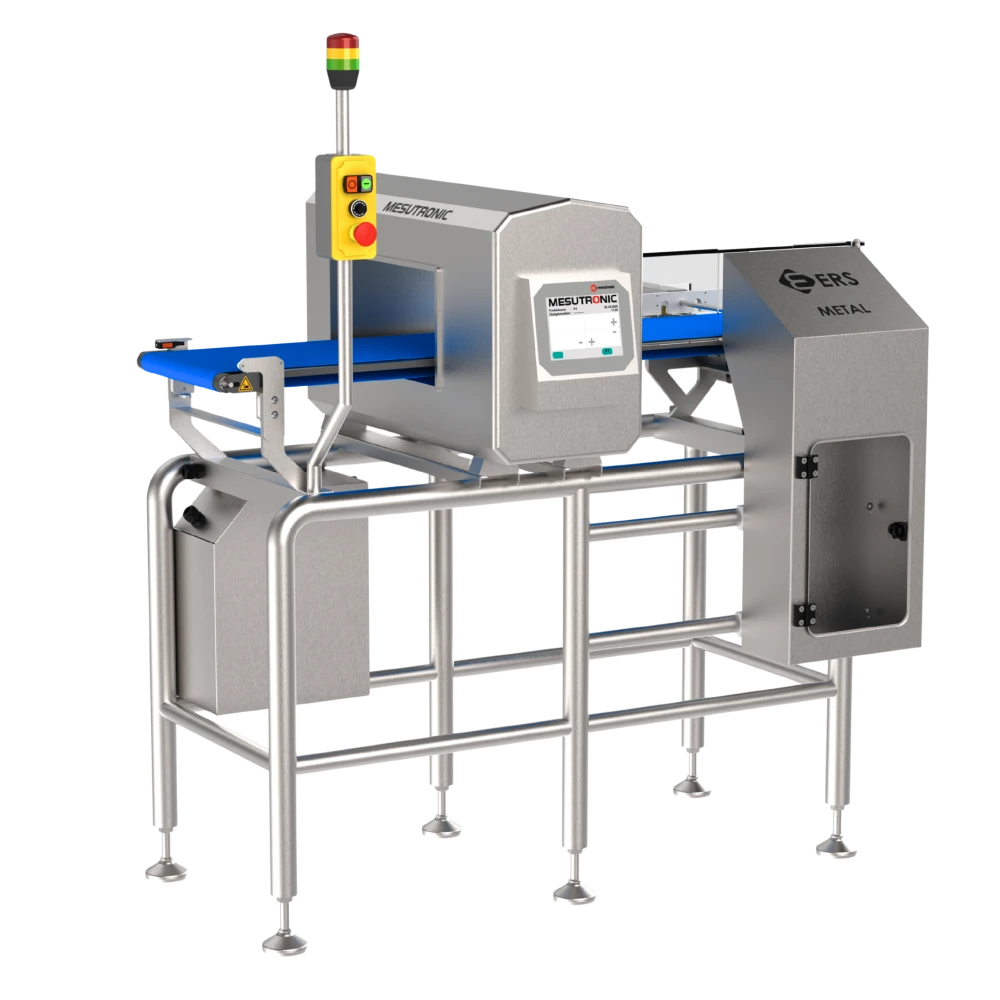
How Metal Detectors Work in Food Inspection Lines
A metal detector for food inspection lines is designed to identify ferrous, non-ferrous, and stainless steel contaminants as products move through the line. This makes the system highly effective for manufacturers whose primary contamination risk comes from metal fragments introduced during processing, cutting, handling, or packaging. Metal detectors are widely used because they offer reliable inspection performance, fast processing capability, and a relatively straightforward integration process.
In many food applications, a metal detector provides an efficient solution for detecting common contamination risks without adding unnecessary complexity to the line. It can be installed on conveyors, integrated into packaging operations, and paired with reject systems for immediate removal of contaminated products. For high-throughput environments, this makes metal detection an attractive choice where product speed and practical inspection control must work together.
How X-Ray Inspection Systems Differ
An x-ray inspection system operates on a broader inspection principle. Instead of detecting only metal, it analyzes density differences within the product or package. This allows the system to identify not only certain metallic contaminants, but also other foreign materials such as glass, stone, calcified bone, and some dense plastics, depending on the application. For food manufacturers dealing with more complex contamination risks, x-ray technology can provide a wider inspection capability.
This broader range of detection is one of the biggest reasons why x-ray systems are often selected for more demanding or higher-risk production environments. In addition to contamination inspection, x-ray technology can often support other control functions such as product completeness checks, fill level verification, mass measurement, and packaging integrity review. For companies looking for a more advanced and multi-functional inspection approach, x-ray systems can offer significant long-term value.
Detection Capabilities: What Each System Can Find
The most important difference in the x-ray and metal detector comparison is detection scope. A metal detector is highly effective when the contamination concern is specifically related to metal. It performs well in many standard food production environments and remains one of the most widely used inspection technologies in the industry. However, its capability is limited to metallic contaminants.
An x-ray system provides a broader inspection range because it can identify multiple types of foreign materials based on density variation. This makes it especially valuable in product categories where contamination may not be limited to metal alone. If a manufacturer needs to inspect for glass fragments, mineral stones, or other dense foreign bodies, x-ray inspection may be the stronger solution. The correct choice depends on the contamination profile, product composition, packaging structure, and the level of inspection detail required.
Hygiene Standards
Both systems support hygienic food production with inspection solutions designed for clean, compliant, and reliable processing environments.
Fast Production
Compare how x-ray and metal detector systems maintain inspection performance while supporting continuous flow on high-speed food lines.
Accurate Measurement
Understand the detection differences between x-ray and metal detector technologies for more accurate contaminant control in food production.
Food Safety
Choose the right inspection solution to strengthen food safety, reduce contamination risk, and improve confidence across the production line.
Product Type and Packaging Considerations
The choice between x-ray and metal detection should also be based on the nature of the food product itself. Moisture content, salt level, density, shape, and packaging material all affect inspection performance. Some food products create what is often known as product effect in metal detection, which can make accurate inspection more challenging in certain conditions. This is especially relevant in products with high moisture or salt content, where the signal behavior can become more difficult to manage.
X-ray systems are generally less influenced by these product characteristics because they rely on density analysis rather than electromagnetic detection. This can make them a stronger option for certain complex or variable food products. At the same time, metal detectors may remain more than sufficient for simpler product formats where metallic contamination is the only major concern. A careful review of product behavior, packaging type, and contamination risks is therefore essential before deciding which system to implement.
Speed and Efficiency on Food Production Lines
For many manufacturers, line speed is a decisive factor. Inspection systems must support high throughput without becoming a bottleneck. A metal detector system is often preferred in fast-moving food lines because it can deliver reliable inspection performance while maintaining simple and efficient operation. It is typically easy to integrate, user-friendly for operators, and well suited to continuous production environments where speed and practical control are both priorities.
X-ray systems can also operate effectively on modern food production lines, but they often involve a higher level of system complexity and investment. In return, they offer broader inspection functionality and deeper product analysis. For manufacturers balancing throughput with broader quality requirements, the decision is not simply about speed. It is about whether the production line needs focused contaminant detection or a wider inspection platform capable of supporting multiple control objectives.
Cost, Complexity, and Investment Perspective
Another major difference between these technologies is the level of investment and operational complexity. Metal detectors are generally more cost-effective to purchase, install, and maintain. They provide a strong solution for many food manufacturers that want dependable contamination detection without moving into a more advanced inspection structure. This makes them especially attractive for companies with straightforward product lines and clearly defined contamination risks.
X-ray systems typically require a higher capital investment, more technical evaluation, and greater attention to installation planning. However, that higher investment can be justified when the manufacturer needs broader contaminant detection, enhanced inspection functionality, or stronger control over product integrity. From a business perspective, the correct investment decision depends on operational priorities, risk exposure, customer expectations, and the desired scope of inspection.
Food Safety and Brand Protection
Both systems contribute directly to food safety, but they do so in different ways. A metal detector protects the line by focusing on one of the most common and serious contamination types in food manufacturing. For many companies, this offers the right level of protection and allows them to maintain reliable inspection standards across high-volume operations.
An x-ray system adds another layer of security by expanding the range of detectable contaminants and supporting broader inspection control. For brands producing premium products, high-risk categories, or export-oriented food lines, this wider detection capability can help reduce risk and strengthen quality assurance. In both cases, the inspection system becomes more than a compliance tool. It becomes part of the company’s reputation management and long-term customer trust strategy.
Which System Is Better for Your Food Inspection Line
There is no universal answer to the question of whether x-ray or metal detection is better. The correct choice depends on what the production line actually needs. If the main goal is reliable detection of metallic contaminants with practical operation and strong throughput performance, a metal detector may be the right solution. If the goal is to inspect for a broader range of foreign materials while also supporting additional product control functions, x-ray inspection may deliver better long-term value.
The most effective approach is to evaluate the line based on contamination risks, product characteristics, packaging materials, customer requirements, and operational goals. When this assessment is done correctly, manufacturers can choose a system that supports both safety and efficiency without overcomplicating the production process.
Building the Right Inspection Strategy for Long-Term Performance
Choosing between x-ray and metal detection is not only a technical decision. It is a strategic decision that affects product safety, line reliability, operational costs, and quality assurance performance over time. A well-matched system helps manufacturers protect their processes, improve inspection discipline, and build stronger confidence across the production line.
For businesses comparing x-ray vs metal detector for food inspection lines, the best solution is the one that fits the actual needs of the operation. Whether that means focused metal detection or broader foreign body inspection, the goal remains the same: safer food production, stronger process control, and a more dependable inspection structure from start to finish.
