
- Home
- Rotary Weight Control Machine for Integrated Conveyor Systems
Rotary Weight Control Machine Solutions
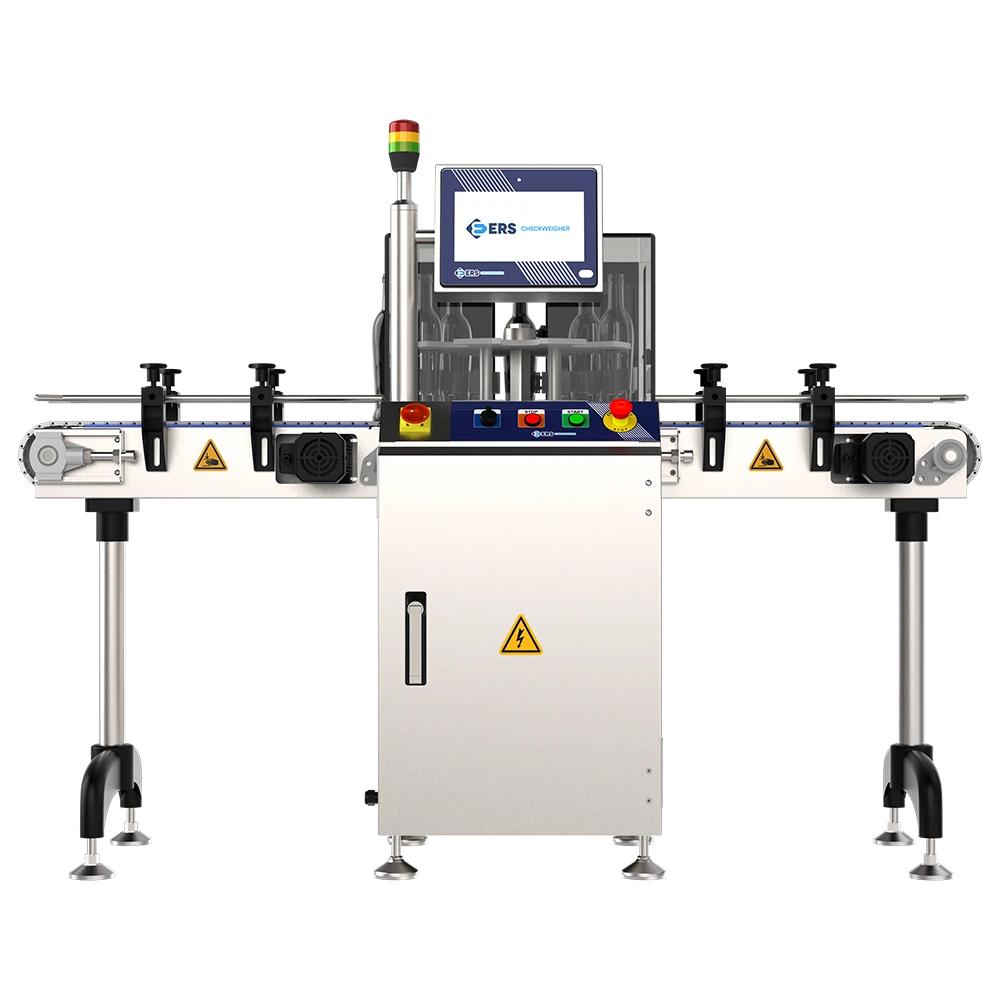
Why Rotary Weight Control Is Important in Conveyor-Based Production
In modern production facilities, conveyor systems form the backbone of product movement from one stage to another. As production speeds increase, maintaining accurate weight control becomes more challenging yet more critical. A rotary weight control machine is designed to meet this need by providing continuous and precise weight verification without interrupting conveyor flow.
In industries such as food processing, pharmaceuticals, logistics, and consumer goods, inaccurate weight can lead to product inconsistency, compliance issues, and financial loss. For this reason, manufacturers require reliable systems that can inspect every product in motion. A rotary system helps achieve this by combining high-speed weighing capability with stable product handling across integrated conveyor lines.


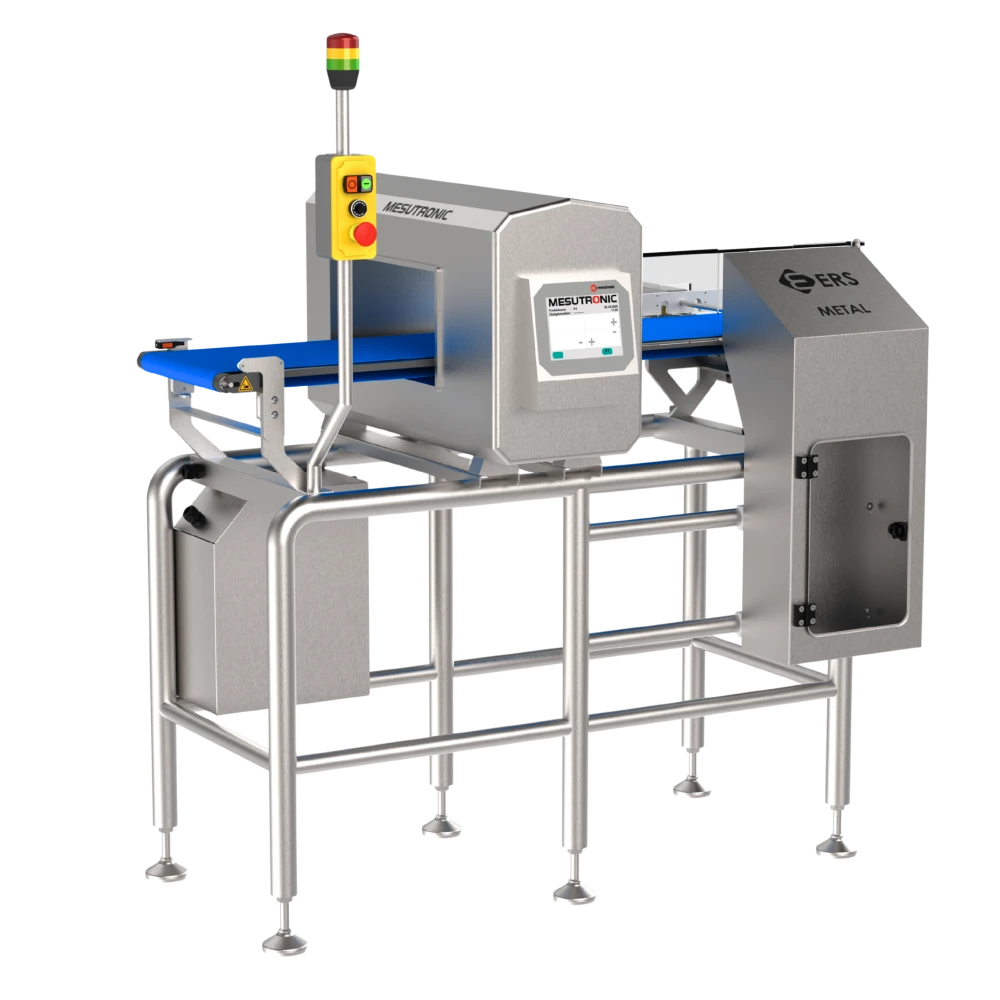
Designed for Integrated Conveyor Systems
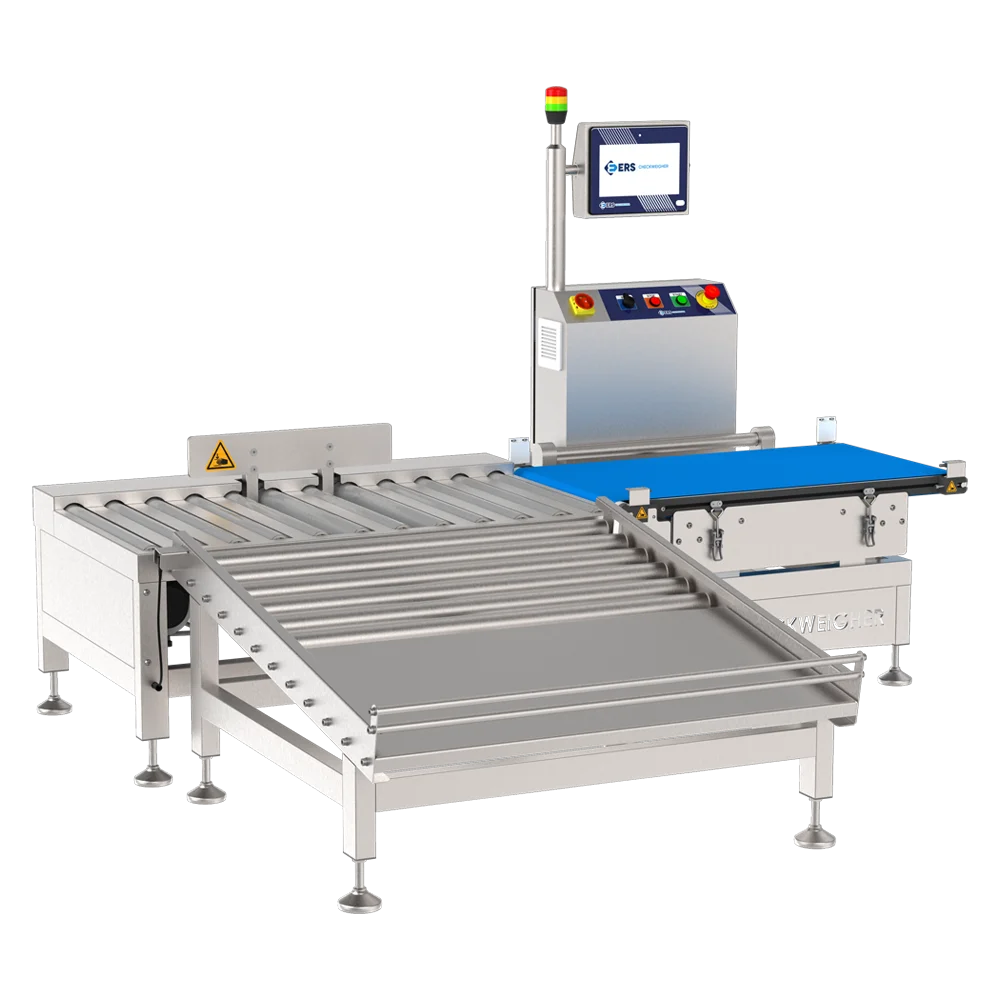
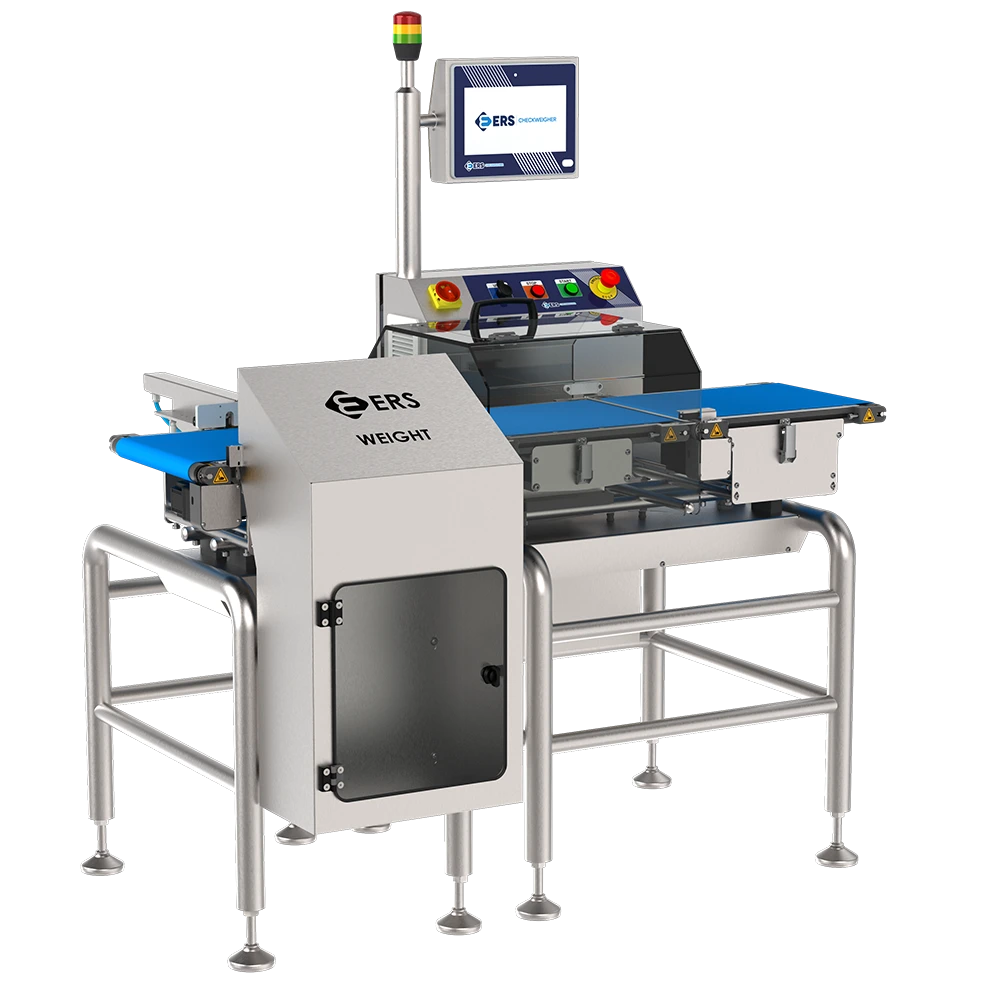
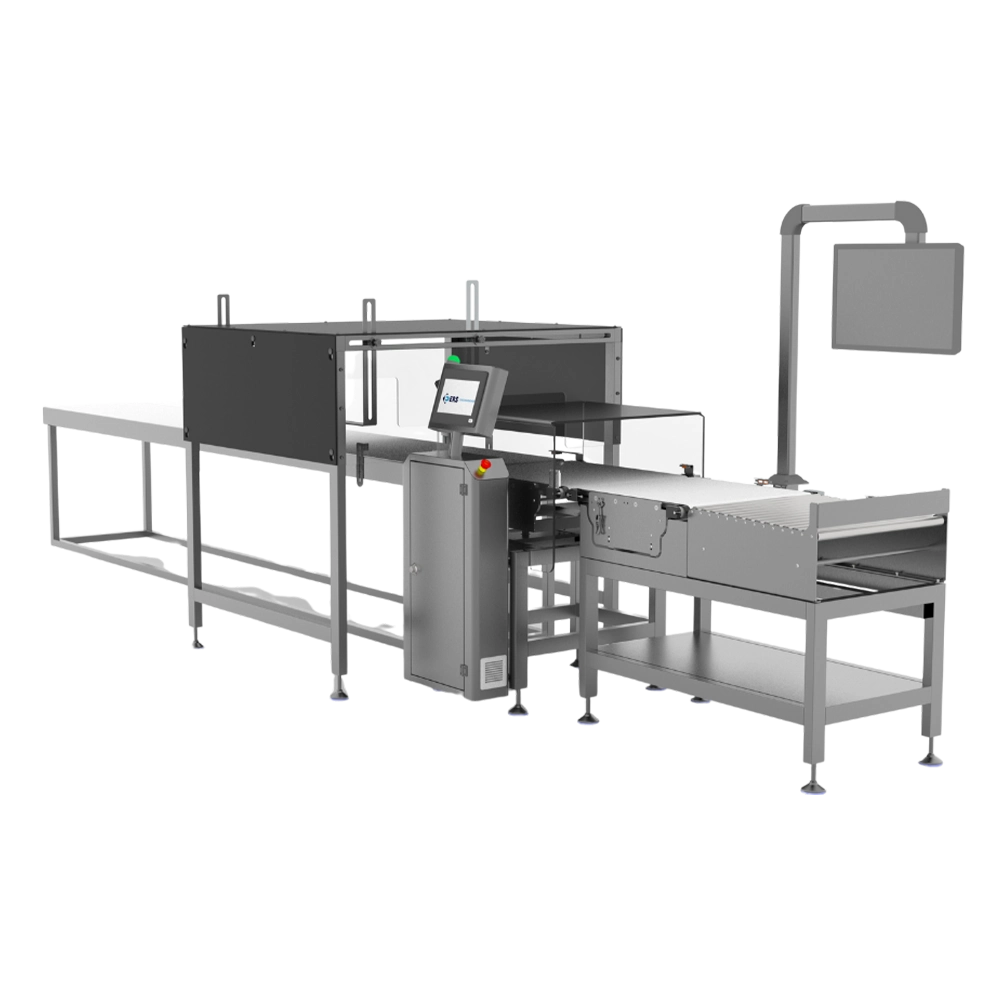
A rotary weight control machine for integrated conveyor systems is specifically engineered to operate as part of a synchronized production environment. Products are transferred directly from the conveyor onto a rotating weighing platform, where each item is measured under controlled conditions before continuing along the line.
This design allows the system to function seamlessly within automated workflows. Instead of creating a separate inspection point that disrupts flow, the rotary unit becomes a natural extension of the conveyor system. This improves overall line efficiency and reduces the need for manual handling or additional transfer mechanisms.
Continuous High-Speed Weighing Performance
One of the main advantages of a rotary system is its ability to support continuous weighing at high speeds. Traditional inline checkweighers may struggle to keep up with very fast production rates, especially when product spacing is limited. A rotary mechanism solves this by distributing products across multiple weighing positions within a rotating structure.
This allows several items to be weighed in rapid succession without creating bottlenecks. For manufacturers operating high-output lines, this capability ensures that weight inspection keeps pace with production rather than slowing it down.
Improving Weight Accuracy Across Conveyor Lines
Accurate weight control is essential for maintaining product quality and operational efficiency. A rotary weight control machine helps ensure that each product meets defined weight criteria by measuring items consistently as they pass through the system.
This continuous verification process allows manufacturers to detect underweight or overweight products in real time. As a result, production teams can maintain tighter control over filling or dosing processes, reduce variation, and improve overall product consistency. Over time, this leads to better compliance and stronger quality assurance across the entire production line.
Precision Control
Ensures accurate product weight verification across automated processes with reliable and repeatable performance.
Continuous Operation
Maintains uninterrupted production flow with smooth rotary movement for stable and consistent weight measurement.
High-Speed Weighing
Supports rapid multi-lane product inspection with a rotary system designed for continuous high-throughput production lines.
Efficient Integration
Fits seamlessly into automated filling and packaging lines, improving overall production efficiency and process control.
Applications of Food Checkweighers
Supporting Stable Product Handling
In conveyor-based systems, product stability plays a key role in achieving accurate measurements. A rotary design helps improve stability by controlling how products enter, move through, and exit the weighing platform. This reduces issues such as product bounce, misalignment, or inconsistent positioning during measurement.
A well-designed integrated conveyor weighing system ensures that products are handled smoothly throughout the inspection process. This contributes to more reliable weighing results and minimizes the risk of measurement errors caused by unstable movement.
Reducing Product Giveaway and Waste
One of the most significant benefits of using a rotary weight control machine is the ability to reduce product giveaway. In many production environments, manufacturers intentionally overfill products to avoid underweight issues. While this may reduce compliance risks, it often leads to unnecessary material loss.
A precise automated weight control system allows manufacturers to keep product weights closer to target levels, improving cost efficiency without compromising quality. In high-volume production, even small improvements in weight control can result in substantial savings over time.
Seamless Integration with Production Equipment
A rotary weight control machine is most effective when fully integrated with upstream and downstream equipment. It can operate alongside filling machines, packaging units, sorting systems, and quality control stations to create a cohesive production environment.
This level of integration improves communication between different parts of the line and supports more efficient process control. By functioning as part of a connected system, the rotary unit helps manufacturers achieve better synchronization across the entire production workflow.
Suitable for High-Throughput Industrial Applications
A rotary weight control machine for integrated conveyor systems is suitable for a wide range of industries that require both speed and precision. In food production, it supports accurate portioning and packaging. In pharmaceutical manufacturing, it helps ensure strict weight compliance for sensitive products. In logistics and industrial packaging, it verifies shipment accuracy and consistency.
Because of its flexible design, the system can be adapted to different product types, sizes, and production conditions. This makes it a practical solution for manufacturers operating in diverse and demanding environments.
Enhancing Process Visibility and Control
Modern production lines require better visibility into operational performance. A rotary weight control machine provides continuous data on product weight, allowing manufacturers to monitor trends and identify deviations early.
This improves decision-making and helps production teams respond quickly to changes in process conditions. By integrating weight data into the overall control system, businesses can create a more transparent and manageable production environment.
Long-Term Value for Conveyor-Based Operations
Investing in a rotary weight control machine is not only about improving immediate performance. It is also about building a more efficient and scalable production system for the future. With improved weight accuracy, reduced waste, and better integration, manufacturers can achieve long-term operational benefits.
For businesses aiming to optimize conveyor-based production lines, this type of system offers a reliable and cost-effective solution. It supports consistent product quality, efficient resource use, and stable production performance over time.
A Smarter Approach to Inline Weight Control
As production demands continue to increase, manufacturers need inspection systems that can keep up with both speed and accuracy requirements. A rotary weight control machine for integrated conveyor systems provides a practical solution by combining continuous operation, precise measurement, and seamless integration.
For companies looking to strengthen their production processes, this approach offers a smarter and more efficient way to manage inline weight control while maintaining high standards of quality and performance.
