
- Home
- New Metal Detector Technology for Advanced Industrial Detection Systems
New Metal Detector Technology Solutions
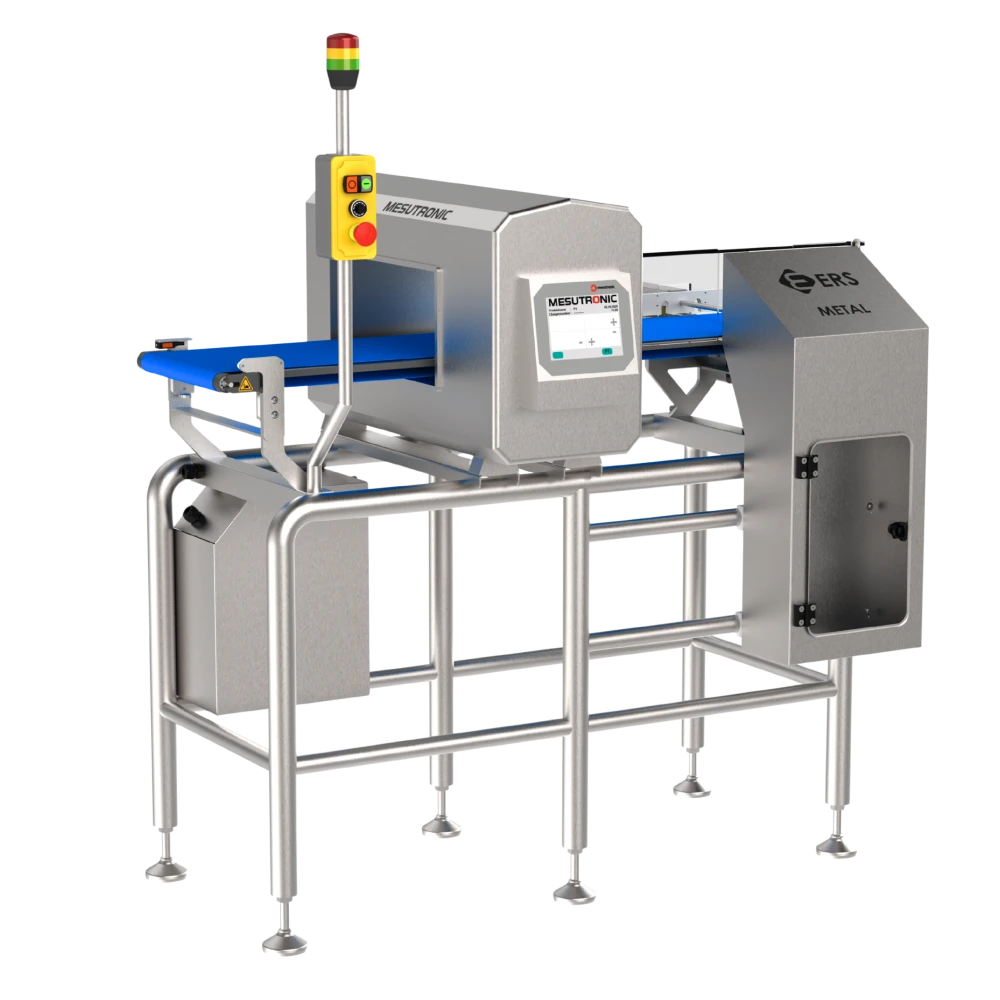
Why New Metal Detection Technology Matters
In modern manufacturing environments, product safety and quality control standards continue to evolve. Traditional inspection systems may struggle to meet increasing demands for sensitivity, speed, and accuracy. This is why new metal detector technology plays a critical role in advanced industrial detection systems.
Manufacturers are now required to detect smaller contaminants, reduce false rejects, and maintain high production speeds simultaneously. New-generation systems address these challenges by combining improved signal processing, smarter algorithms, and more stable hardware design. As a result, businesses can achieve higher detection performance without compromising operational efficiency.

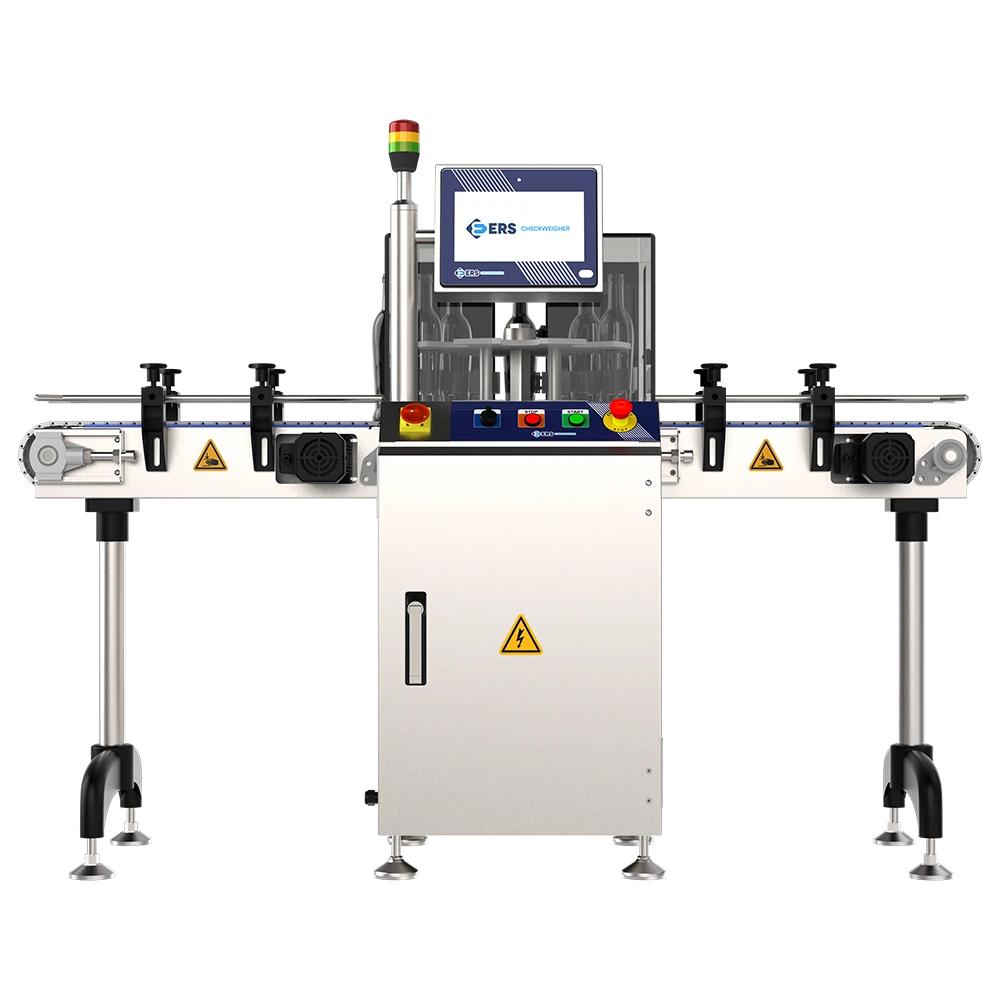

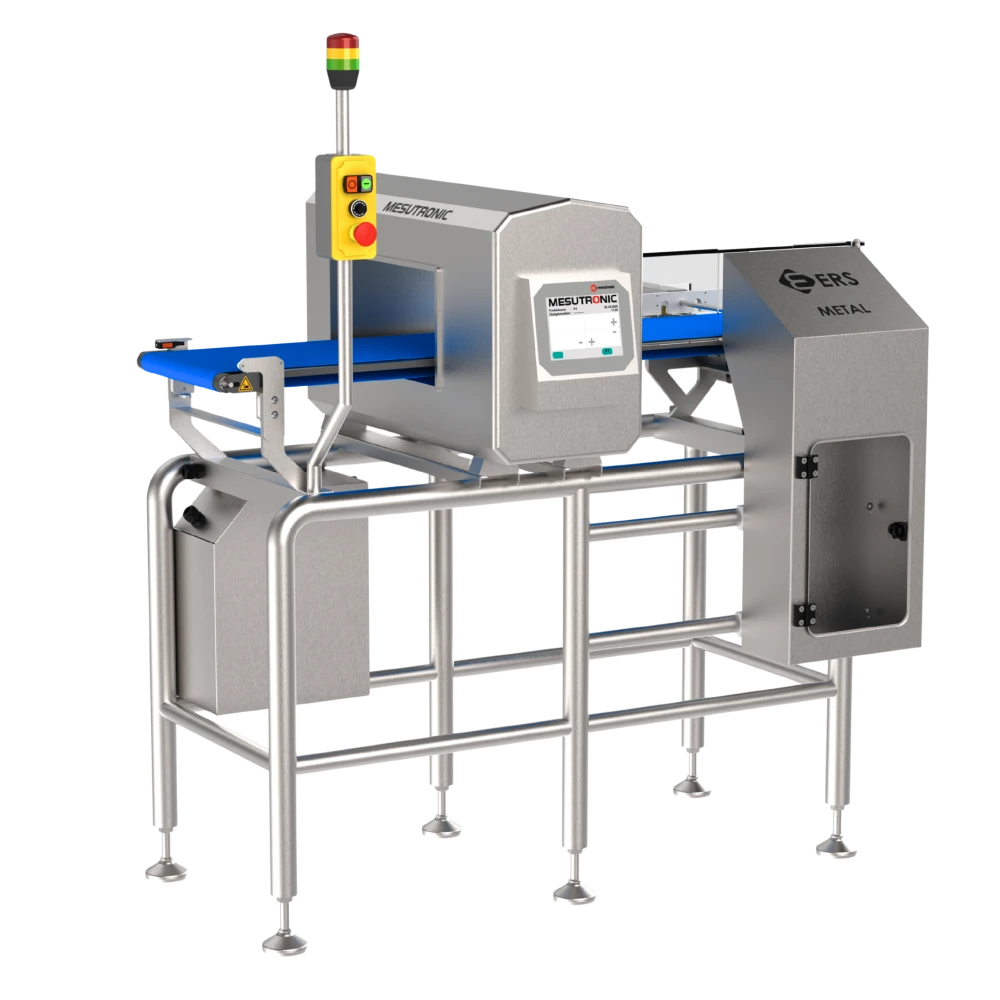
Designed for Advanced Industrial Detection Systems
A new metal detector technology for advanced industrial detection systems is engineered to operate within highly automated production environments. These systems are designed to inspect products continuously while adapting to different materials, packaging types, and environmental conditions.
Modern designs allow seamless integration into conveyor lines, packaging systems, and processing equipment. This ensures that metal detection becomes a natural part of the production workflow rather than a separate inspection step.
High Sensitivity Detection with Improved Accuracy
One of the most important advancements in new metal detector technology is the ability to achieve higher sensitivity levels without increasing false rejection rates. Improved detection capabilities allow the system to identify even very small metal particles, including difficult-to-detect materials such as stainless steel.
At the same time, advanced filtering and signal analysis reduce the impact of product effect and environmental interference. This ensures more accurate and reliable inspection results across a wide range of applications.
Reducing False Rejects and Improving Efficiency
A key challenge in metal detection systems is maintaining high sensitivity while avoiding unnecessary product rejection. Modern industrial metal detector systems use advanced algorithms to differentiate between actual contaminants and product-related signals.
This reduces false rejects and improves overall production efficiency. By minimizing unnecessary waste, manufacturers can maintain higher output levels and better resource utilization.
Cost Efficiency
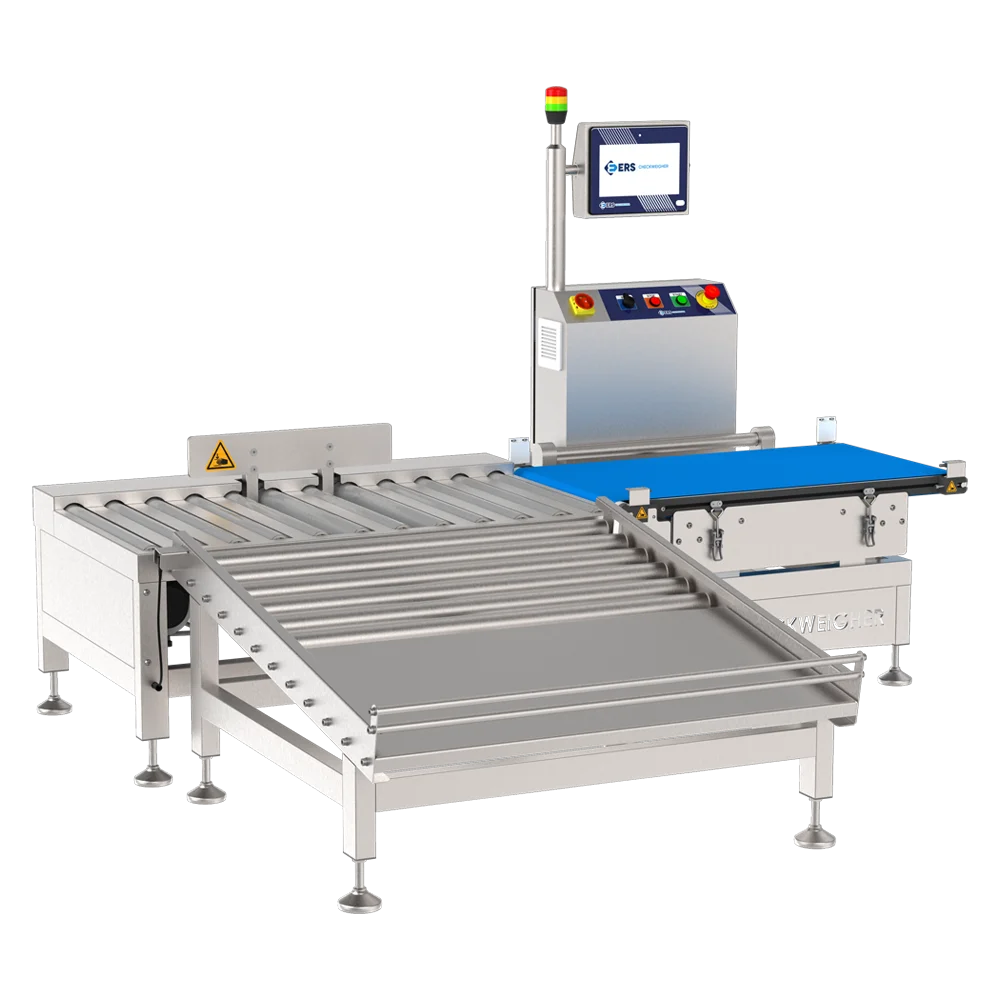
Reduces product giveaway by maintaining weights close to target values across high-volume production lines.
Continuous Operation
Supports uninterrupted production flow with smooth rotary movement for stable and consistent weighing performance.
Precision Weighing
Ensures accurate and repeatable measurement with a rotary system designed for high-precision industrial weight control.
System Integration
Integrates seamlessly with conveyors and automated equipment for improved process control and production efficiency.
Applications of Food Checkweighers
Supporting High-Speed Production Lines
Today’s production lines operate at increasingly high speeds, requiring inspection systems that can keep up without slowing down operations. A high sensitivity metal detector equipped with new technology can process products rapidly while maintaining consistent detection performance.
This ensures that inspection does not become a bottleneck in the production process. Instead, it supports continuous operation and helps maintain overall line efficiency.
Seamless Integration with Automated Systems
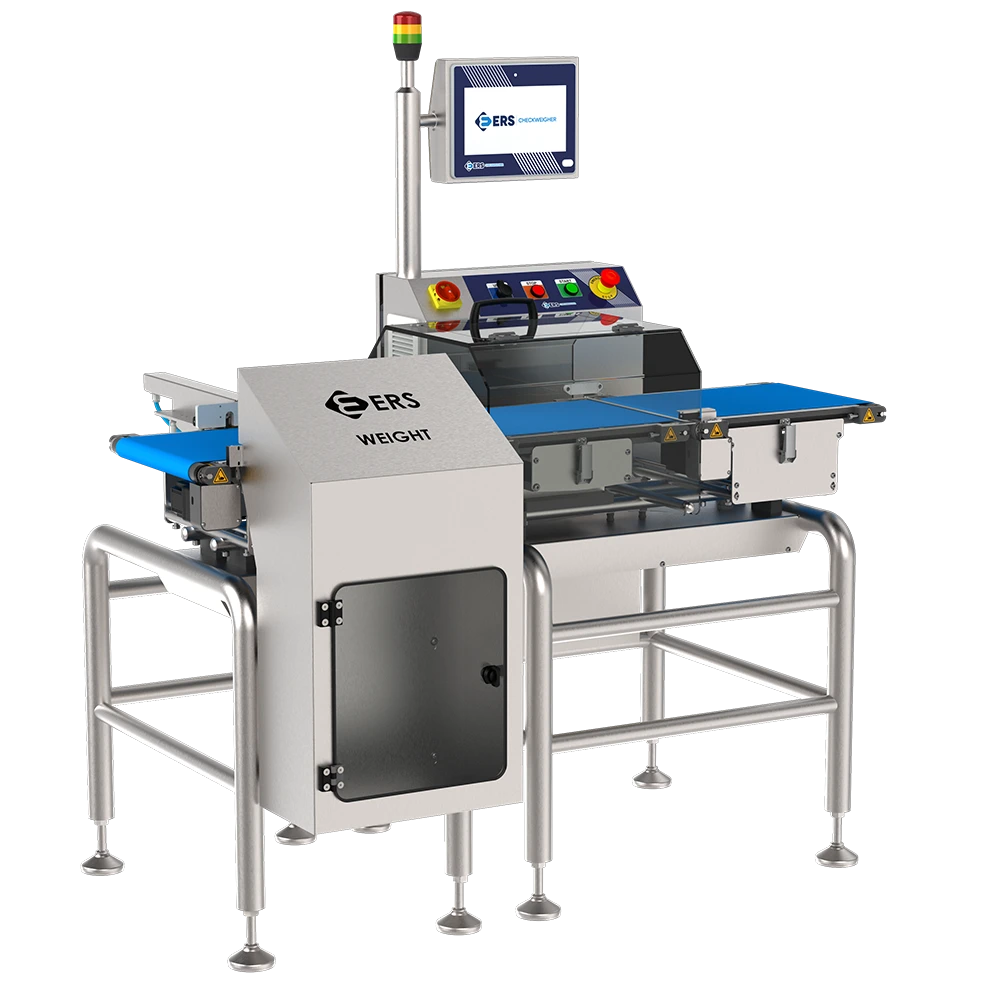
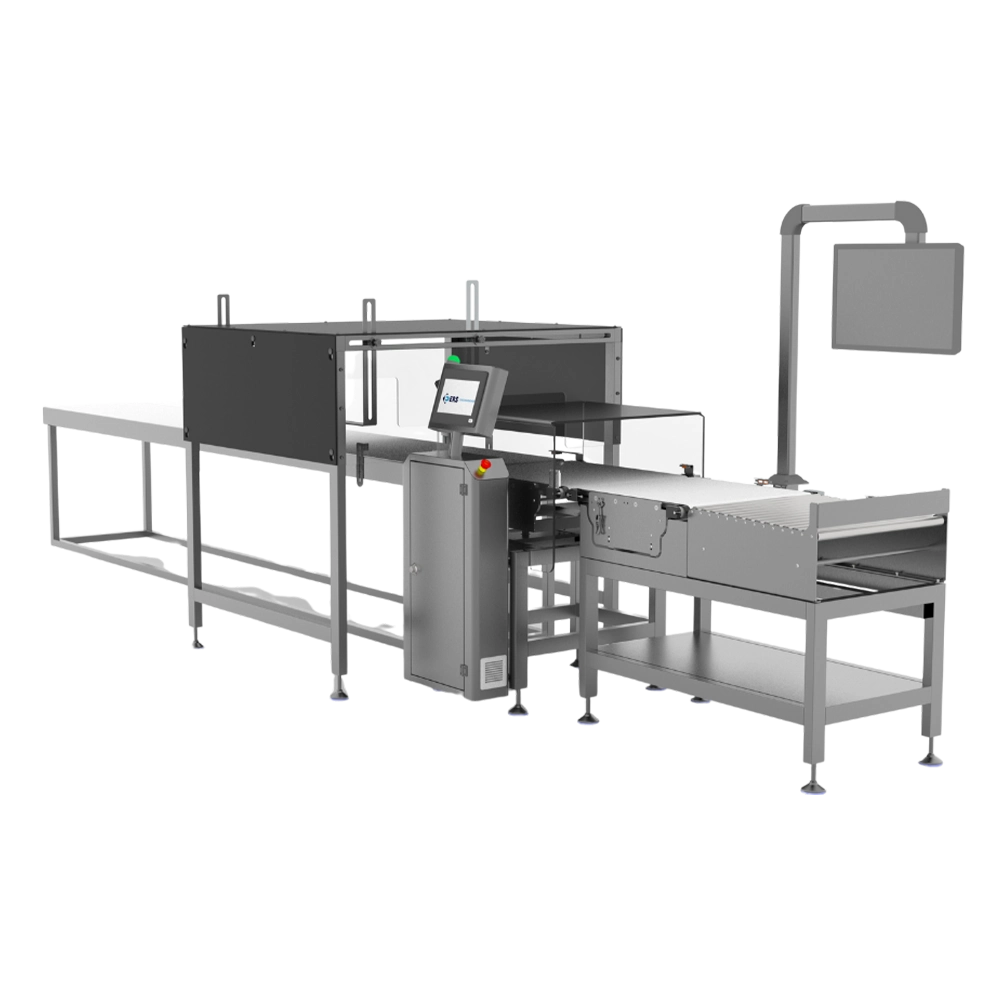
A new metal detector technology for advanced industrial detection systems is designed to integrate seamlessly with other equipment in the production line. It can be combined with conveyors, checkweighers, packaging systems, and rejection units to create a fully automated inspection process.
This integration improves coordination between different stages of production and allows for more efficient process control. It also supports centralized monitoring and data management.
Adapting to Different Product Types and Conditions
Modern metal detection systems must handle a wide variety of products, including wet, dry, packaged, and bulk materials. A new metal detector technology adapts to these different conditions by adjusting sensitivity and detection parameters automatically.
This flexibility ensures consistent performance across different product categories and production environments. It also reduces the need for manual adjustments, making the system easier to operate.
Enhancing Food Safety and Industrial Compliance
In industries such as food and pharmaceuticals, compliance with safety regulations is essential. A industrial metal detector equipped with advanced technology helps manufacturers meet strict standards by ensuring reliable contamination detection.
This strengthens quality assurance processes and reduces the risk of product recalls. By maintaining consistent inspection performance, businesses can protect both consumers and their brand reputation.
Improving Data Visibility and Process Control
New-generation systems provide detailed data on inspection performance, including detection events, rejection rates, and system status. A smart metal detection system allows manufacturers to monitor these metrics in real time.
This data-driven approach supports better decision-making and helps identify potential issues before they affect production. It also enables continuous improvement of inspection processes.
Long-Term Value for Industrial Detection Systems
Investing in new metal detector technology offers long-term benefits by improving detection accuracy, reducing waste, and enhancing overall production efficiency. Modern systems are designed for durability and reliability, ensuring consistent performance over time.
For manufacturers aiming to upgrade their inspection capabilities, these advanced systems provide a strong return on investment through improved safety and operational performance.
A Smarter Approach to Industrial Metal Detection
As production requirements continue to evolve, manufacturers need inspection systems that can deliver both precision and flexibility. New metal detector technology for advanced industrial detection systems offers a practical solution by combining high sensitivity, intelligent processing, and seamless integration.
For businesses looking to stay competitive, adopting advanced metal detection technology represents a smart and future-ready approach to contamination control.
