
- Home
- Metal Detector Integration Calibration and Maintenance Services
Metal Detector Service Solutions
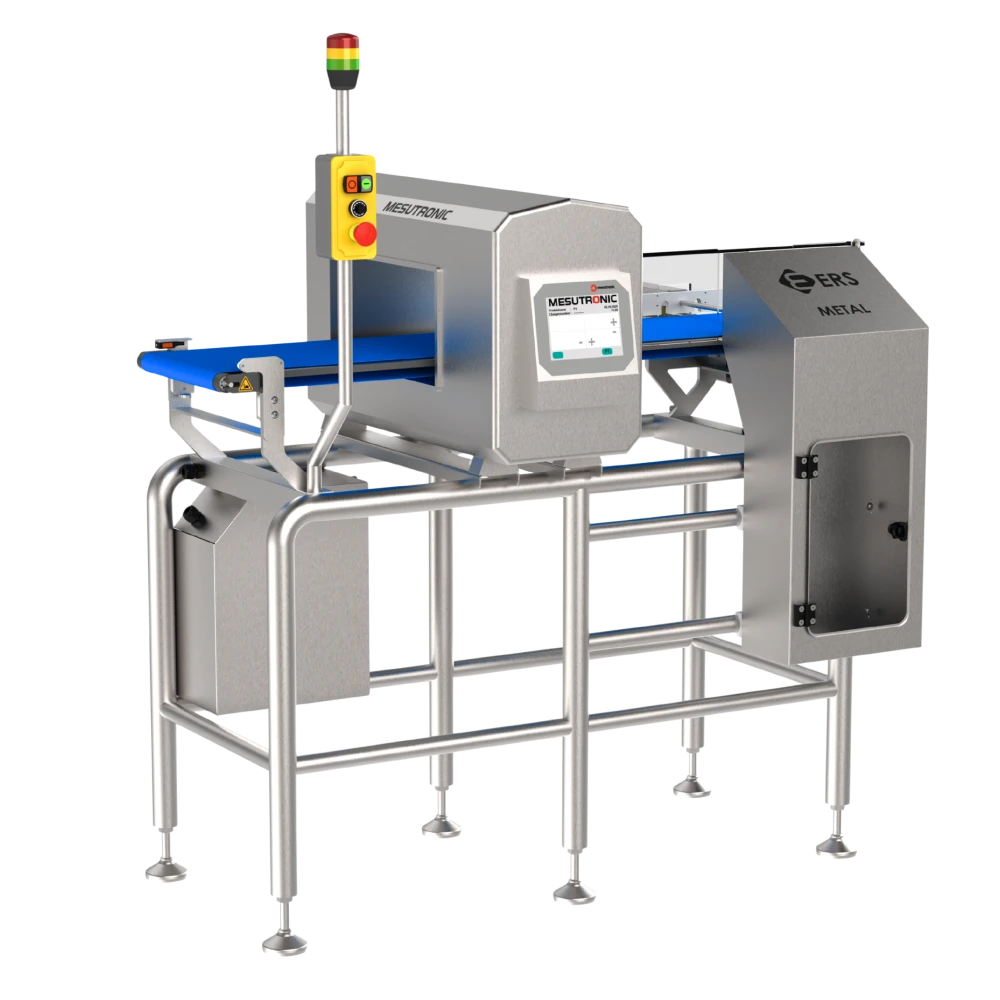
Metal Detector Integration Calibration and Maintenance
In modern production environments, inspection performance depends on more than the quality of the machine itself. Long-term reliability is also shaped by how well the system is installed, calibrated, maintained, and supported over time. This is why metal detector integration and ongoing service planning are essential for manufacturers that rely on stable contamination control across automated lines. Even the most advanced inspection equipment can lose effectiveness if it is not correctly integrated into the production process or maintained under proper operating standards.
For businesses working in food, pharmaceutical, packaging, and industrial manufacturing sectors, inspection systems often function as critical control points. If the detector is not performing consistently, the risk extends far beyond downtime. It can affect product quality, compliance readiness, production continuity, and brand confidence. A professional service structure helps reduce these risks by ensuring that the system continues to operate accurately and efficiently throughout its lifecycle.
A metal detector must do more than simply power on and detect contaminants. It must fit the production line mechanically, communicate effectively with surrounding equipment, and operate in a way that supports the natural flow of the process. This is where proper integration becomes especially important. A detector that is poorly positioned, incorrectly synchronized, or weakly connected to reject systems and conveyors can create performance issues even if the core technology is sound.
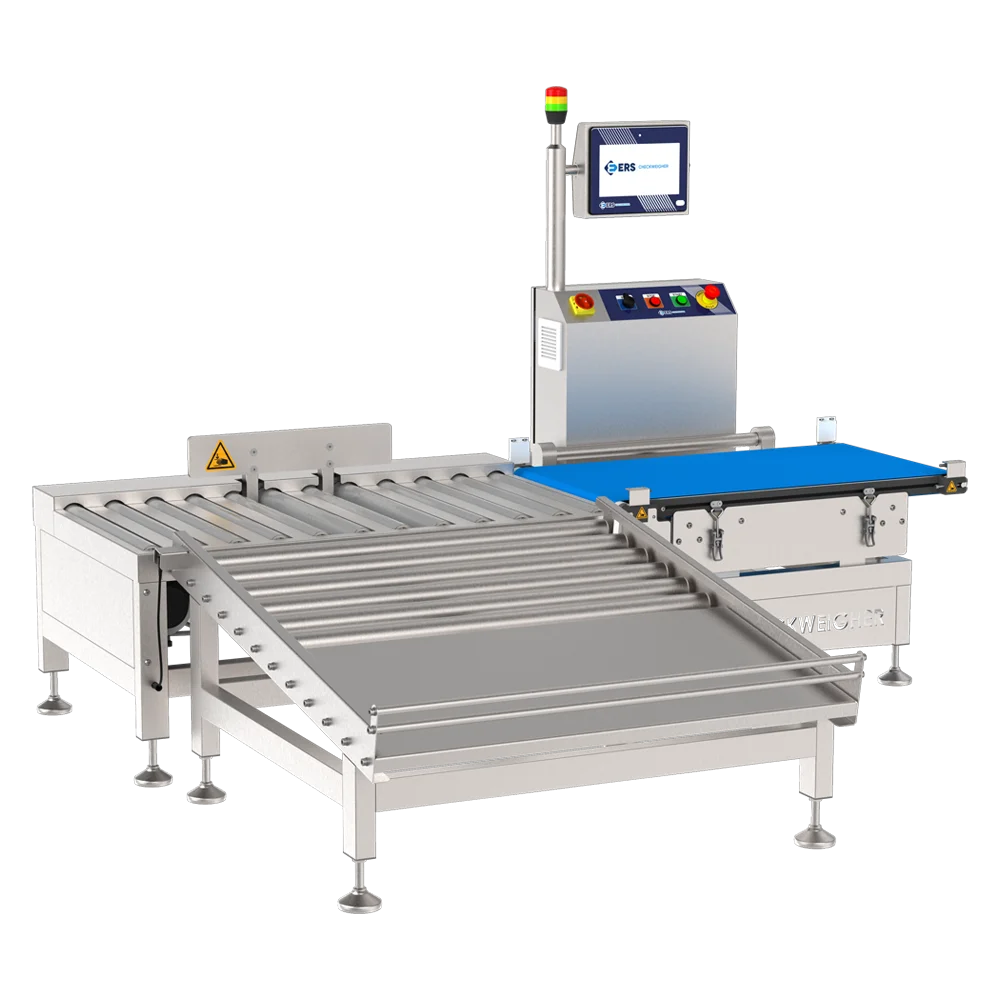
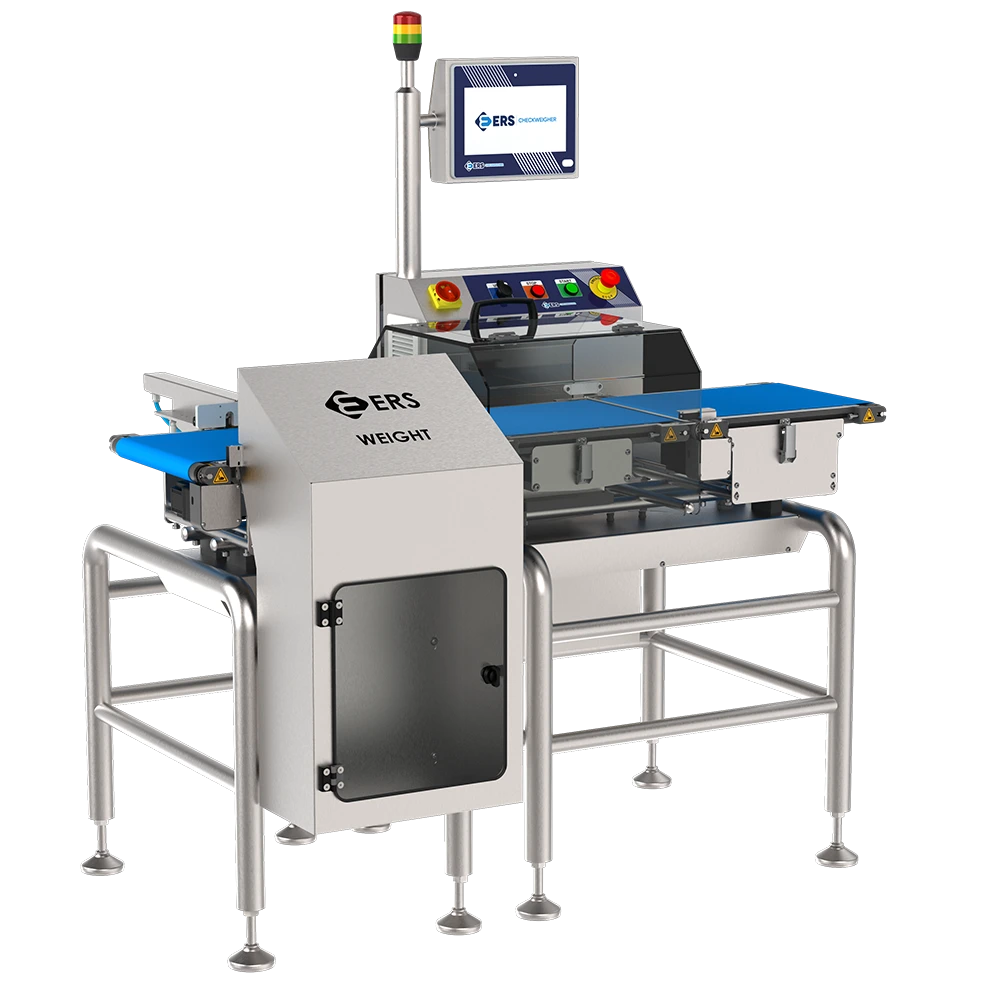
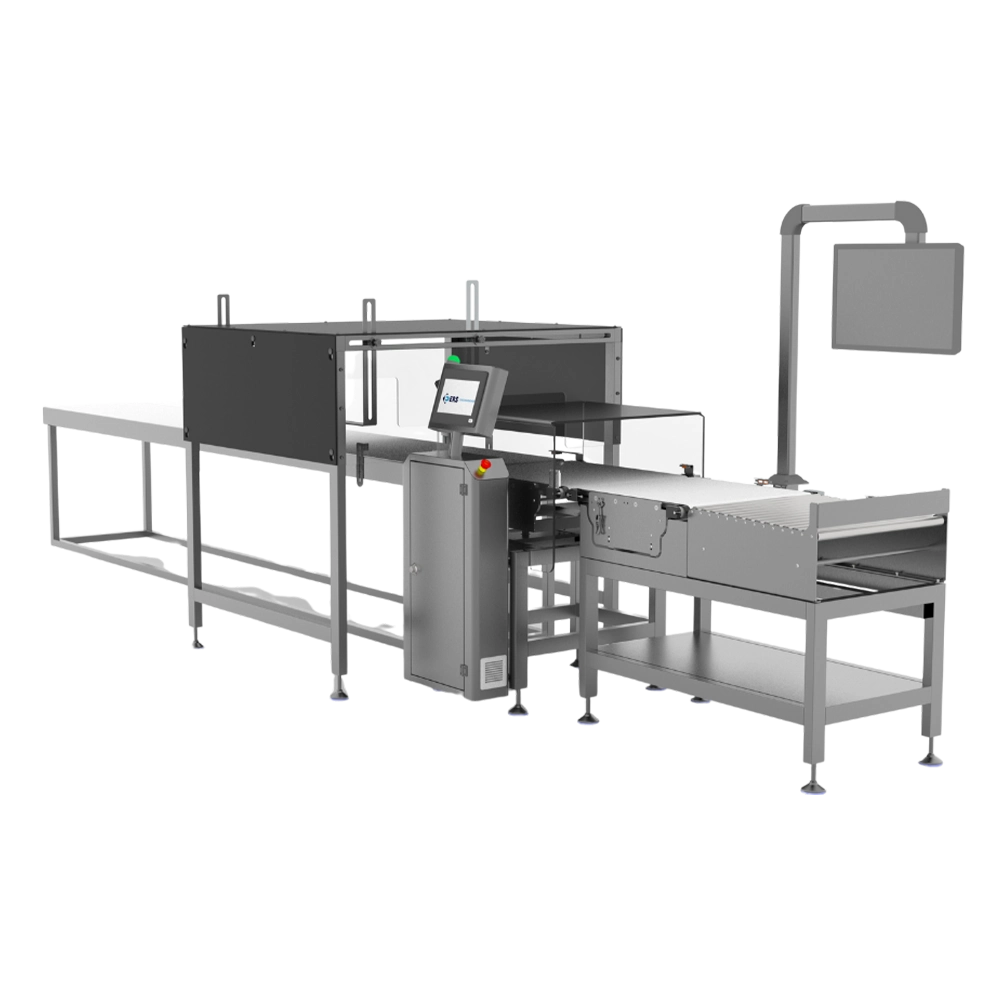

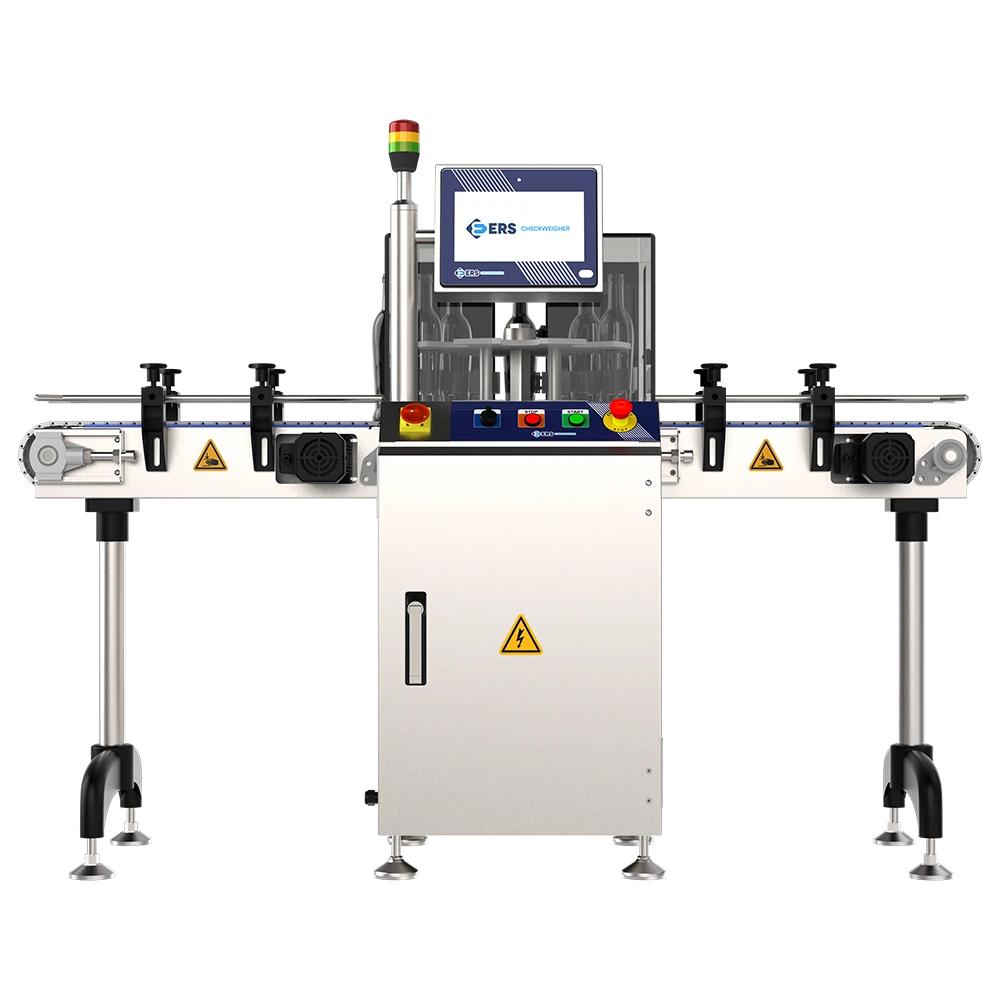

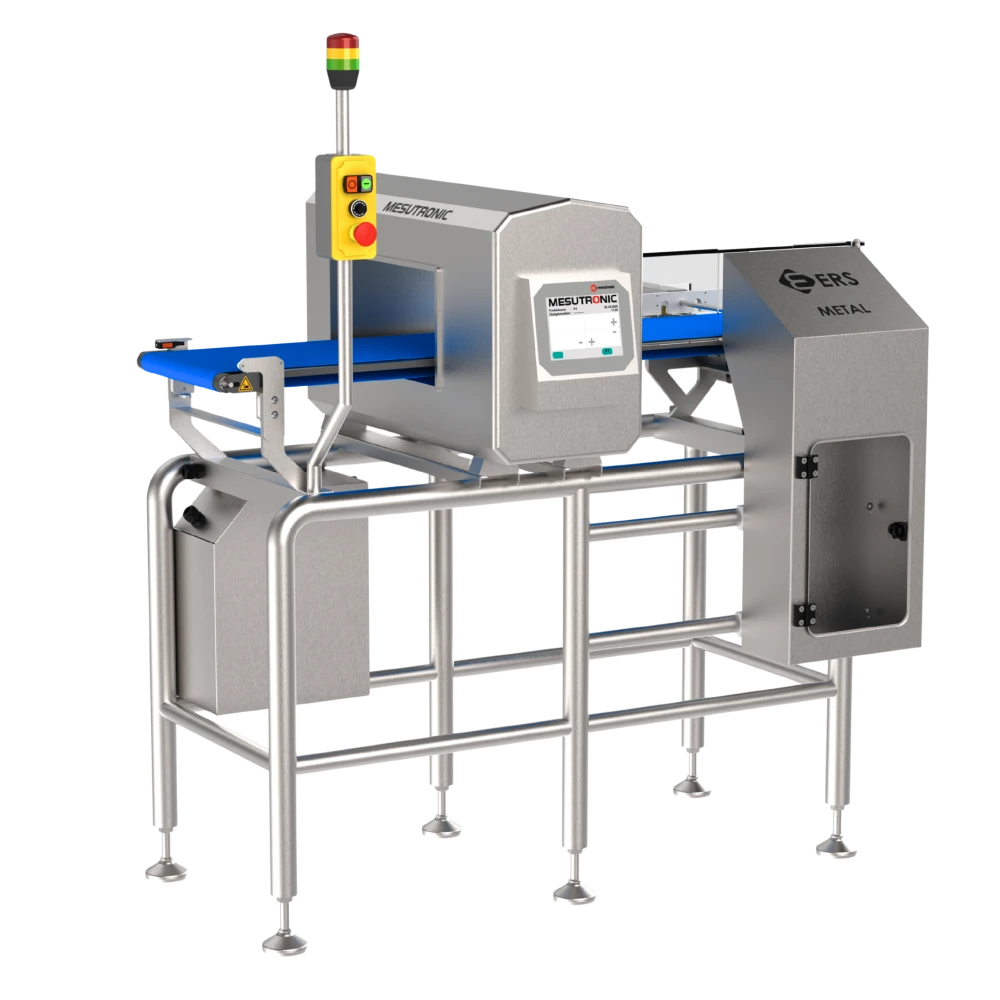
Supporting Line Compatibility and Process Stability
Every production line has its own operational requirements. Product dimensions, conveyor speed, packaging materials, reject timing, available space, and upstream or downstream equipment all influence how a detector should be integrated. For this reason, a successful installation is rarely based on generic setup alone. It requires application-specific planning and a clear understanding of how the machine will behave under real production conditions.
A strong integration service supports process stability by helping the detector function in harmony with the rest of the line. This includes correct mounting, alignment, signal communication, reject coordination, and practical operator access. When these details are handled properly, the result is a more stable inspection stage that supports productivity instead of weakening it. For manufacturers focused on line efficiency, this level of compatibility creates measurable operational value.
Why Calibration Is Essential for Reliable Detection
Calibration is one of the most important service activities in any inspection system. Over time, environmental conditions, product changes, mechanical variation, and routine operation can all influence how a metal detector performs. Without regular calibration, detection accuracy may drift, false rejects may increase, and confidence in inspection outcomes can weaken. This is why metal detector calibration should be treated as a structured operational requirement rather than an occasional technical task.
A properly calibrated system helps ensure that the detector continues to operate within the expected sensitivity range for the application. It supports more accurate contaminant identification and strengthens confidence in day-to-day production control. In regulated industries, calibration also contributes to stronger documentation, improved audit readiness, and more reliable inspection traceability. For lines handling sensitive or high-volume products, this consistency is essential.
Maintaining Detection Accuracy Over Time
Reliable inspection depends on repeatability. A detector that performs well only occasionally does not provide the level of control manufacturers need. Ongoing calibration helps maintain repeatable performance by confirming that the system continues to detect target contaminant types under real operating conditions. This is especially important where production includes variations in product density, moisture, packaging format, or conveyor speed.
When calibration is carried out correctly, manufacturers gain better control over inspection sensitivity and reduce the chance of unnoticed performance drift. This supports stronger product protection, better operational predictability, and more dependable quality assurance. Over time, calibration becomes a key part of preserving the detector’s role as a trusted control point within the production environment.
System Integration
Support reliable line compatibility with professional metal detector integration tailored to production flow and equipment layout.
Calibration Accuracy
Maintain dependable inspection sensitivity through precise calibration services designed for stable and repeatable detection performance.
Preventive Maintenance
Reduce downtime and protect system reliability with planned maintenance support for long-term inspection efficiency.
Technical Service
Strengthen operational continuity with expert service support covering setup, inspection performance, and ongoing system care.
The Role of Preventive Maintenance
A reliable inspection system also depends on physical condition, not just electronic accuracy. Components such as belts, rollers, sensors, cables, mounts, reject units, and user interfaces all influence how well the detector performs during daily operation. This is why metal detector maintenance services are essential for supporting long-term reliability and reducing unplanned interruption.
Preventive maintenance helps manufacturers identify wear, instability, or developing faults before they lead to production issues. Instead of waiting for a failure to stop the line, the business can act earlier through planned service activity. This improves uptime, supports safer production, and helps reduce the long-term cost of emergency repair or lost throughput. In demanding industrial environments, preventive maintenance is often one of the most cost-effective ways to protect inspection performance.
Reducing Downtime and Unplanned Service Interruptions
Unplanned downtime is one of the most expensive problems in modern production. When a detector fails unexpectedly or begins producing unstable results, the impact can spread quickly through the line. Packaging may stop, inspection confidence may drop, and production planning can be disrupted. A strong service strategy reduces this risk by combining routine inspection, part assessment, cleaning checks, and scheduled technical support.
Maintenance services help manufacturers move from reactive repair to proactive reliability management. This shift is important because it improves control over service cost, line availability, and operational planning. Instead of treating inspection equipment as a passive asset, manufacturers can manage it as an active part of process continuity. That approach supports better performance over both the short and long term.
Integration of Calibration and Maintenance into Daily Operations
The most effective service model is not one where integration, calibration, and maintenance are treated as separate activities with no connection between them. In professional production environments, these services work best as part of one coordinated support structure. Integration ensures the detector is installed correctly, calibration maintains detection accuracy, and maintenance preserves mechanical and operational stability. Together, they form the basis of dependable inspection performance.
This coordinated approach creates a stronger service framework because each stage supports the others. A detector that is properly integrated is easier to calibrate consistently. A well-maintained machine is more likely to hold calibration effectively. A calibrated system produces more reliable data for maintenance decisions. When all three elements are managed together, manufacturers gain a more stable, efficient, and accountable inspection structure.
Service Needs in Food and Pharmaceutical Applications
In food and pharmaceutical production, service quality is especially important because the inspection system often supports critical safety and compliance expectations. In food lines, contamination control must operate alongside hygiene standards, washdown routines, and packaging consistency. In pharmaceutical environments, repeatability, controlled settings, and documentation support can be just as important as raw detection capability.
For these sectors, calibration and maintenance services help strengthen process discipline and inspection credibility. A system that is not properly serviced can weaken internal quality procedures and create avoidable production risk. With the right service support in place, manufacturers can maintain stronger inspection integrity while operating with greater confidence under sensitive and regulated production conditions.
Supporting Documentation and Audit Readiness
Many manufacturers need service activity to be more than technically correct. They also need it to be documented clearly. Calibration records, maintenance logs, inspection checks, and service reports all contribute to internal traceability and external audit preparedness. In regulated industries, this level of documentation is often just as important as the technical work itself.
A structured service program helps businesses demonstrate that their inspection system is being monitored and maintained under defined procedures. This supports stronger quality management and gives production teams a clearer view of equipment history over time. In practical terms, it also makes troubleshooting easier, because the company can review what was done, when it was done, and how the system was performing at each stage.
Long-Term Value of a Professional Service Strategy
A metal detector is not only a machine purchase. It is a long-term inspection asset that must continue to perform reliably under real production conditions. Without proper support, even a well-designed system can become less effective, less stable, and more costly to operate. A professional service strategy helps protect that investment by supporting line integration, preserving sensitivity, and reducing mechanical or operational risk over time.
For manufacturers, this creates value across multiple areas. It supports better uptime, stronger process discipline, improved contamination control, and more predictable maintenance planning. It also helps extend the useful life of the equipment while reducing the cost and disruption associated with avoidable failure. In competitive production environments, these benefits are commercially important as well as technically relevant.
Building a More Reliable Inspection Infrastructure
As production lines become more automated and more quality-focused, service support becomes a critical part of inspection performance. Integration, calibration, and maintenance are not secondary activities. They are part of the operating foundation that allows a metal detector to perform as expected over time. When handled correctly, they help transform inspection from a machine-level function into a stable and reliable process capability.
For businesses seeking stronger long-term inspection control, metal detector integration calibration and maintenance services provide the practical support needed to protect performance and improve operational confidence. They help create a production environment that is more controlled, more efficient, and better prepared for the demands of modern manufacturing.
