
- Home
- Metal Detector Checkweigher Price for Integrated Inspection Systems
Metal Detector Checkweigher Price Solutions

Why Integrated Inspection System Pricing Matters
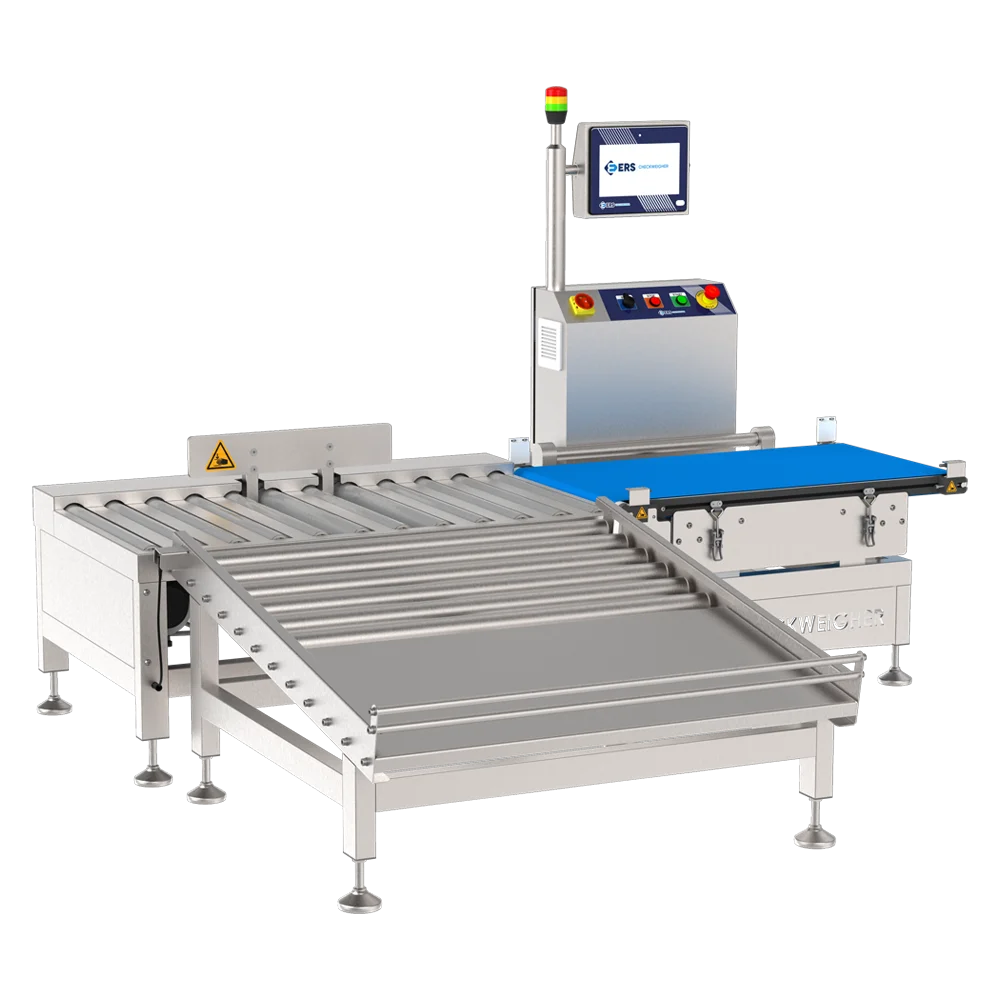
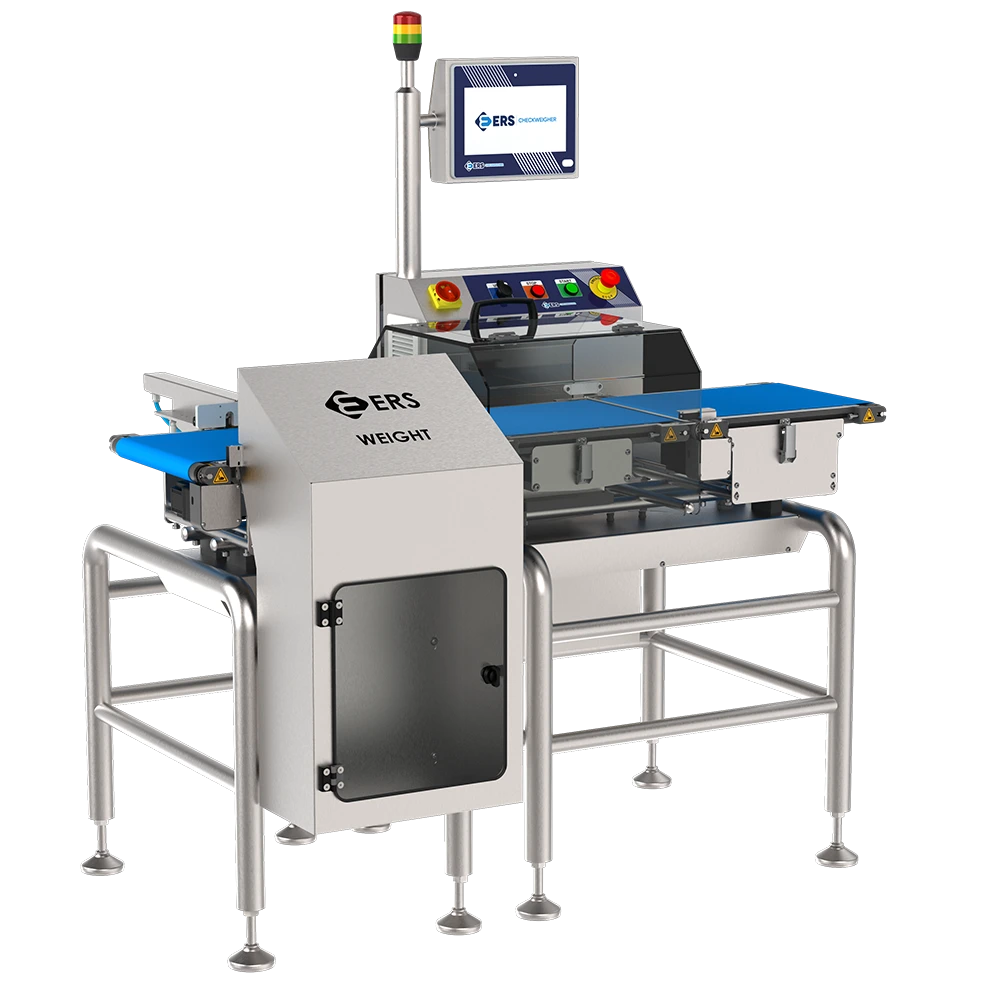
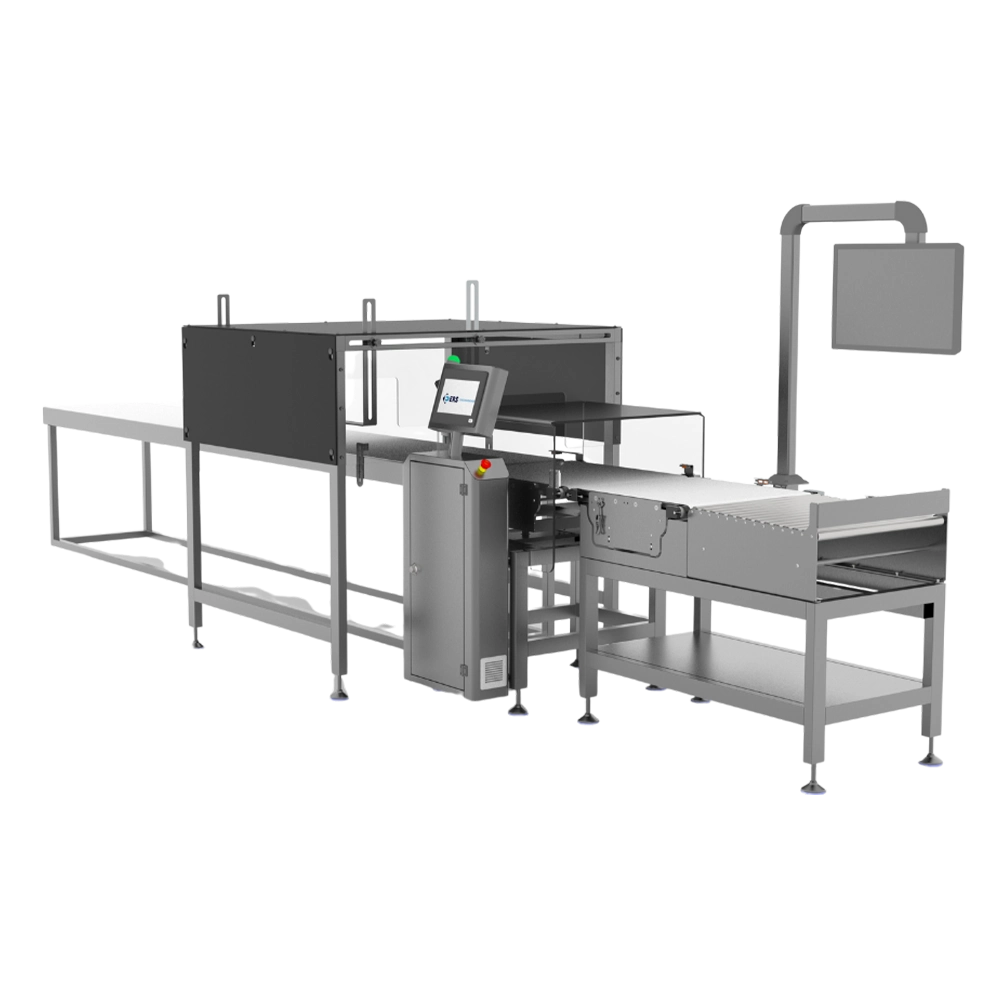
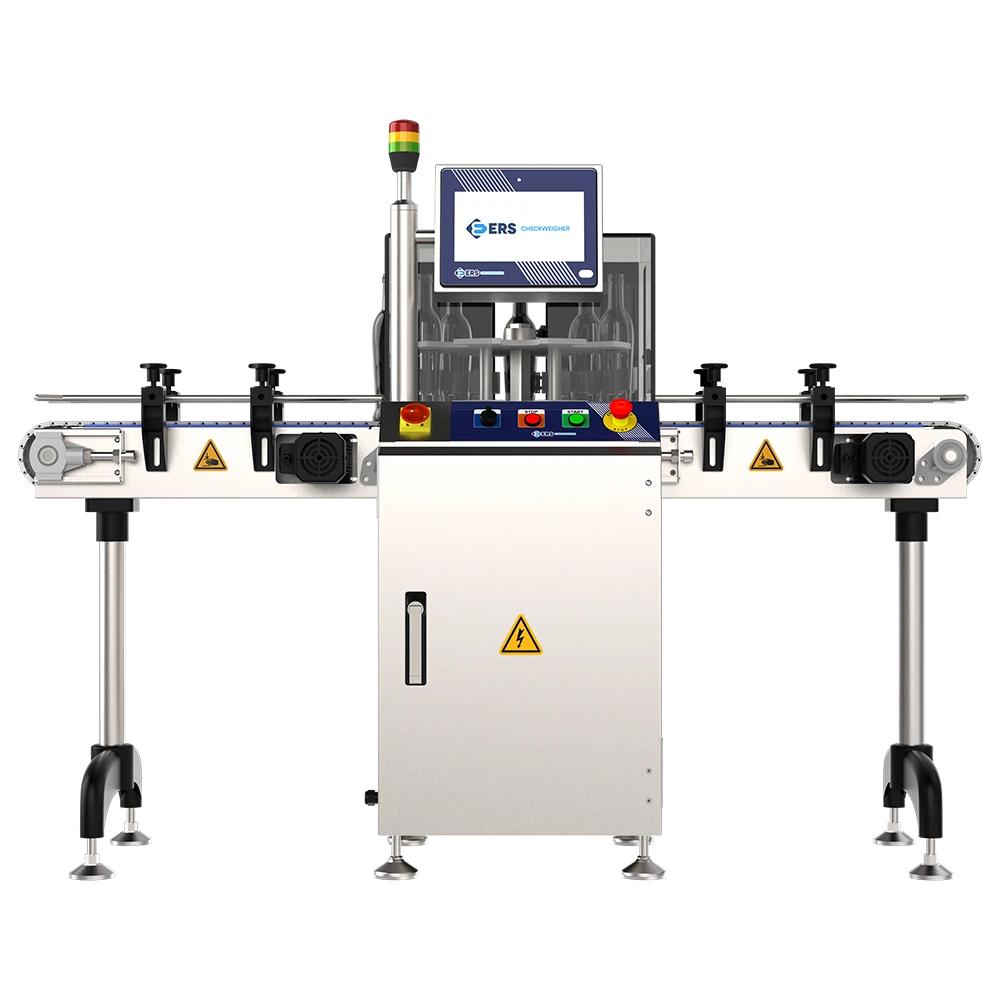
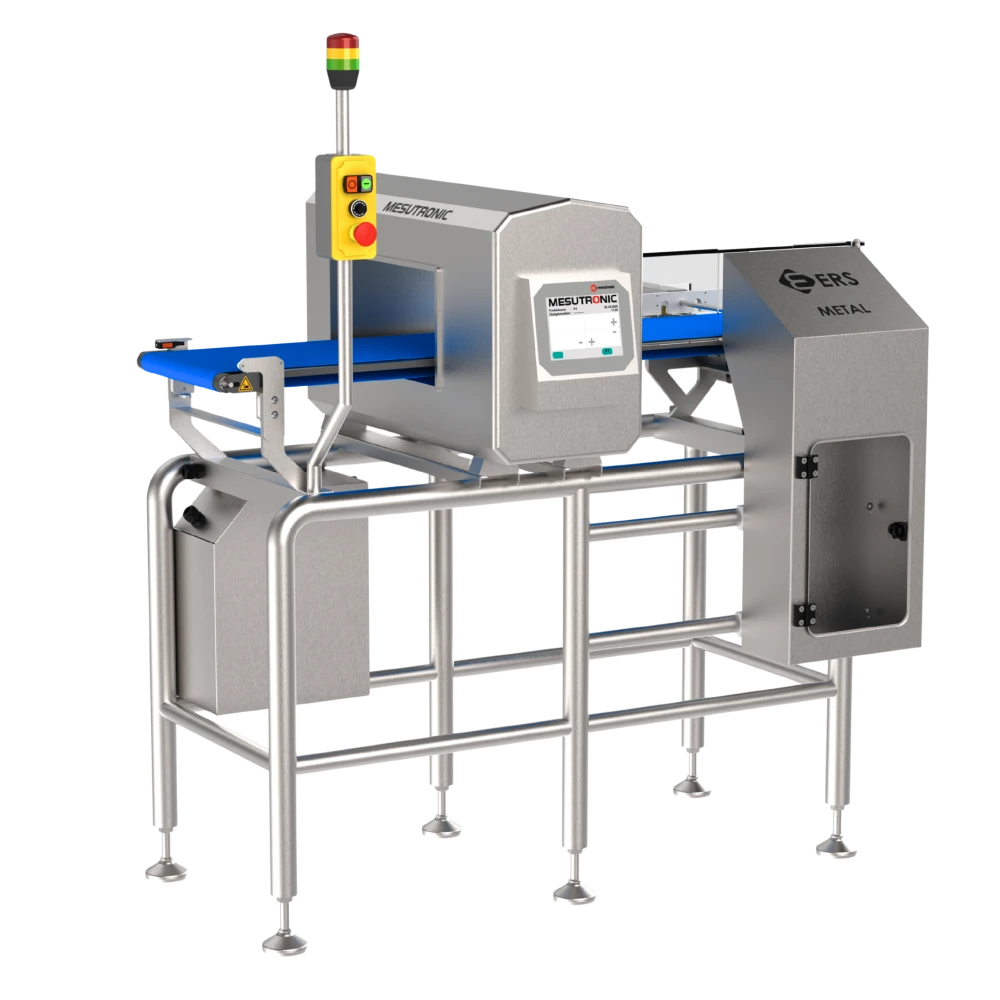
In modern production environments, integrated inspection systems have become an essential part of quality control strategies. A metal detector checkweigher price for integrated inspection systems reflects not only the equipment itself but also the level of performance, precision, and automation it provides. These systems combine weight control and contamination detection into a single unit, offering a more efficient and streamlined approach compared to standalone machines.
The overall cost of such systems depends on multiple technical and operational factors. Manufacturers must evaluate pricing in relation to production needs, line speed, and required inspection accuracy rather than focusing solely on initial investment.


Key Factors That Influence System Cost
The pricing of an integrated system is shaped by its technical specifications and operational capabilities. A metal detector checkweigher price increases as the system becomes more advanced and capable of handling demanding production conditions. For example, systems designed for higher weighing accuracy require more sensitive load cells and advanced calibration, while higher metal detection sensitivity demands improved signal processing technology.
In addition, conveyor speed and system throughput directly impact cost, since high-speed production lines require stronger mechanical structures and faster data processing. Automation level also plays an important role, especially when the system includes advanced rejection mechanisms or smart control features. Integration capability is another key factor, as systems that communicate with other production equipment or central monitoring platforms may require customized solutions.
Entry-Level vs High-End Integrated Systems
A metal detector checkweigher price for integrated inspection systems varies significantly between entry-level and high-end solutions. Entry-level systems are typically designed for moderate production speeds and basic inspection needs, making them a more accessible option for smaller operations.
High-end systems, on the other hand, are built for continuous high-speed production and strict quality control environments. These systems offer higher accuracy, better detection performance, and more advanced automation features. While the initial cost is higher, they provide greater efficiency and long-term operational benefits.
Cost Efficiency Through System Integration
Although integrated systems may require a higher initial investment, they often provide better cost efficiency over time. A metal detector checkweigher price should be evaluated in terms of the savings achieved through reduced equipment footprint, simplified installation, and lower maintenance requirements.
By combining two inspection processes into one unit, manufacturers can optimize production space and reduce system complexity. This leads to improved workflow and lower operational costs in the long run.
Cost Efficiency
Reduces product giveaway by maintaining weights close to target values across high-volume production lines.
Continuous Operation
Supports uninterrupted production flow with smooth rotary movement for stable and consistent weighing performance.
Precision Weighing
Ensures accurate and repeatable measurement with a rotary system designed for high-precision industrial weight control.
System Integration
Integrates seamlessly with conveyors and automated equipment for improved process control and production efficiency.
Applications of Food Checkweighers
Reducing Waste and Protecting Product Quality
One of the main advantages of investing in an integrated system is the ability to improve both weight accuracy and contamination control simultaneously. A metal detector checkweigher price for integrated inspection systems is closely linked to the value it provides in reducing waste and protecting product quality.
Accurate weighing helps minimize product giveaway, while reliable metal detection prevents contaminated items from reaching the market. Together, these functions help manufacturers maintain consistent product standards and avoid costly recalls or rework.
Supplier Impact and Customization Options
The choice of supplier has a significant impact on the final system cost. A reliable supplier not only provides equipment but also offers installation, calibration, and ongoing support services. A metal detector checkweigher price may vary depending on the level of customization required, including conveyor dimensions, detection sensitivity, and software integration.
Customized systems designed for specific production needs may have a higher upfront cost, but they often deliver better performance and efficiency over time.
Integration with Modern Production Lines
A metal detector checkweigher for integrated inspection systems is designed to work seamlessly within automated production environments. Systems that offer smooth integration with conveyors, packaging machines, and data management platforms provide greater operational control.
This level of integration allows manufacturers to monitor production performance in real time and make adjustments when necessary, improving overall efficiency and consistency.
Application Across Different Industries
Integrated inspection systems are widely used across industries where both weight accuracy and contamination detection are critical. In food production, they ensure safe and consistent packaging. In pharmaceutical manufacturing, they support strict regulatory compliance. In industrial applications, they help maintain product reliability and shipment accuracy.
A metal detector checkweigher price will vary depending on industry requirements and the level of precision needed for each application.
Long-Term Investment Value
When evaluating system cost, it is important to consider long-term benefits rather than focusing only on initial pricing. A metal detector checkweigher price for integrated inspection systems represents an investment in efficiency, quality, and reliability.
High-quality systems provide better durability, lower maintenance costs, and improved operational performance over time. This results in a stronger return on investment and a more stable production process.
A Smart Approach to Integrated Inspection
As manufacturing continues to evolve, integrated inspection systems are becoming increasingly important for maintaining quality and efficiency. A metal detector checkweigher price reflects the advanced technology and operational value these systems bring to modern production lines.
For businesses aiming to improve process control, reduce waste, and ensure product safety, investing in an integrated inspection system is a strategic and future-ready decision.
