
- Home
- Industrial Metal Detector for Automated Process Lines
Industrial Metal Detector Solutions
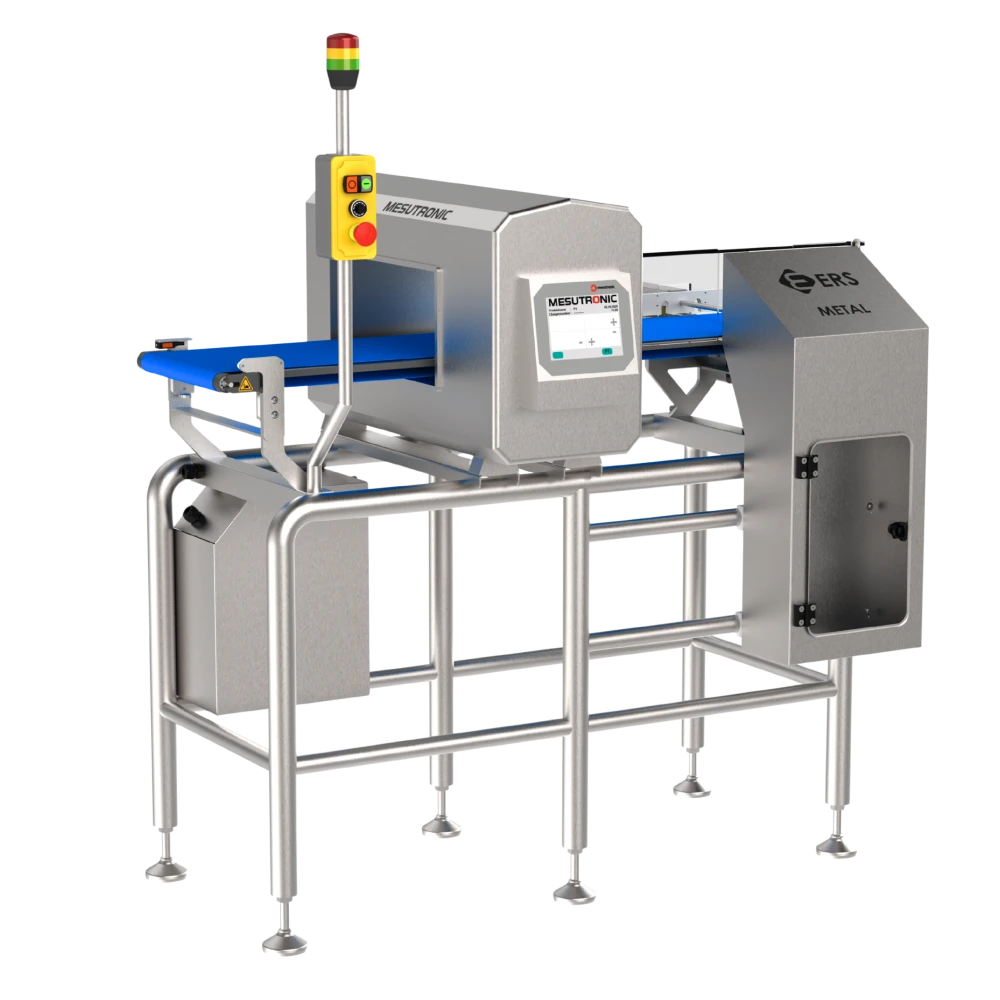
Industrial Metal Detector
In automated manufacturing environments, contamination control is a critical part of protecting product quality, maintaining operational reliability, and supporting brand trust. As production lines become faster and more integrated, manufacturers need inspection systems that can identify contamination risks without interrupting flow. This is where an industrial metal detector becomes a vital component of the process. It helps ensure that metal contaminants are detected early, removed efficiently, and prevented from moving further into packaging, storage, or shipment stages.
Unlike manual inspection or isolated quality checks, a metal detector installed directly on the line provides continuous control throughout production. This allows manufacturers to build a more disciplined inspection process and reduce the risk of contaminated products reaching the customer. In sectors where safety, consistency, and compliance matter, automated process lines require dependable inspection technology that can keep pace with daily production demands.

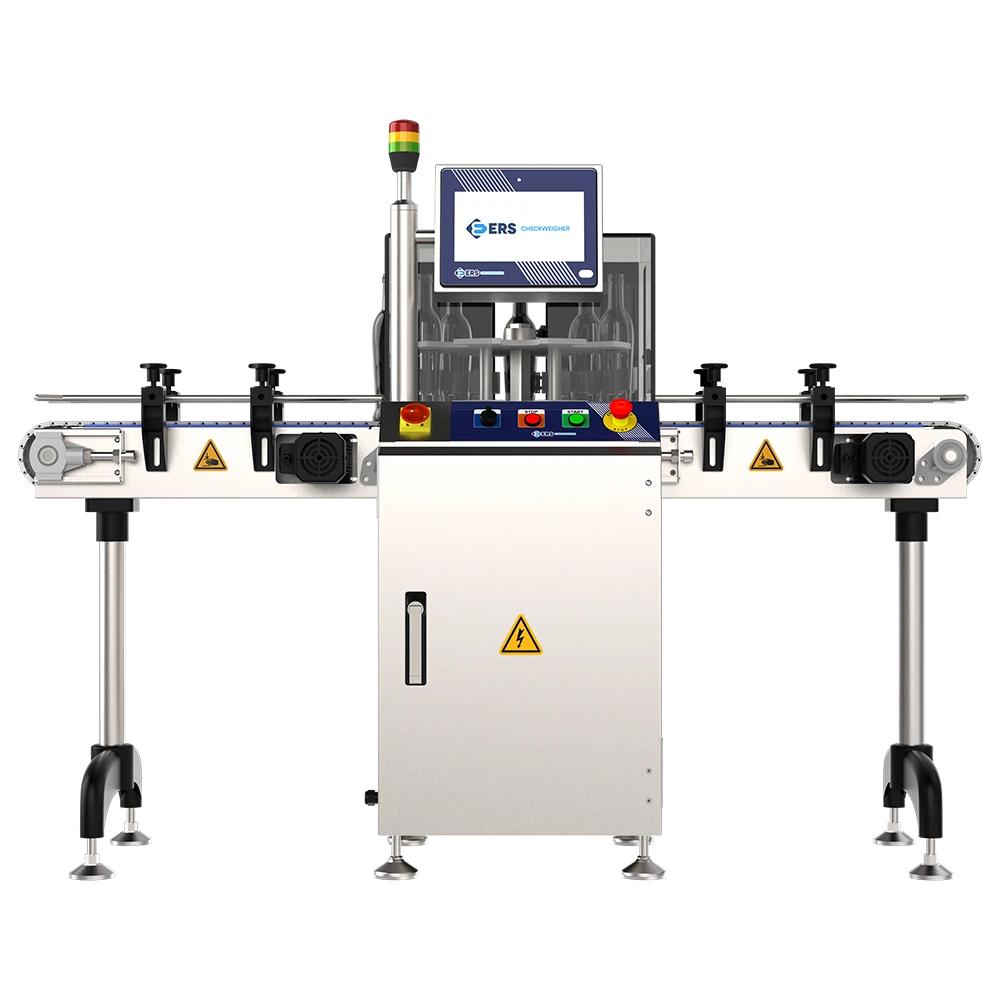

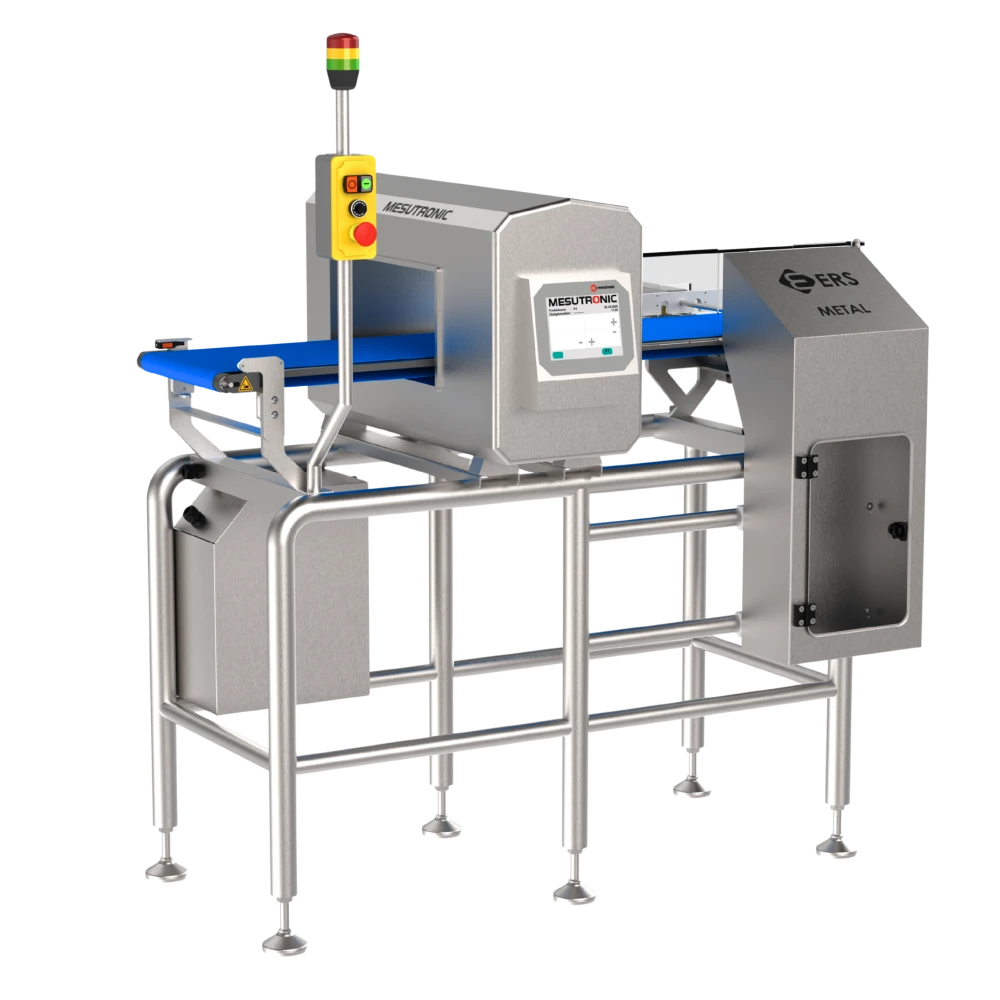
Built for Automated Process Line Integration
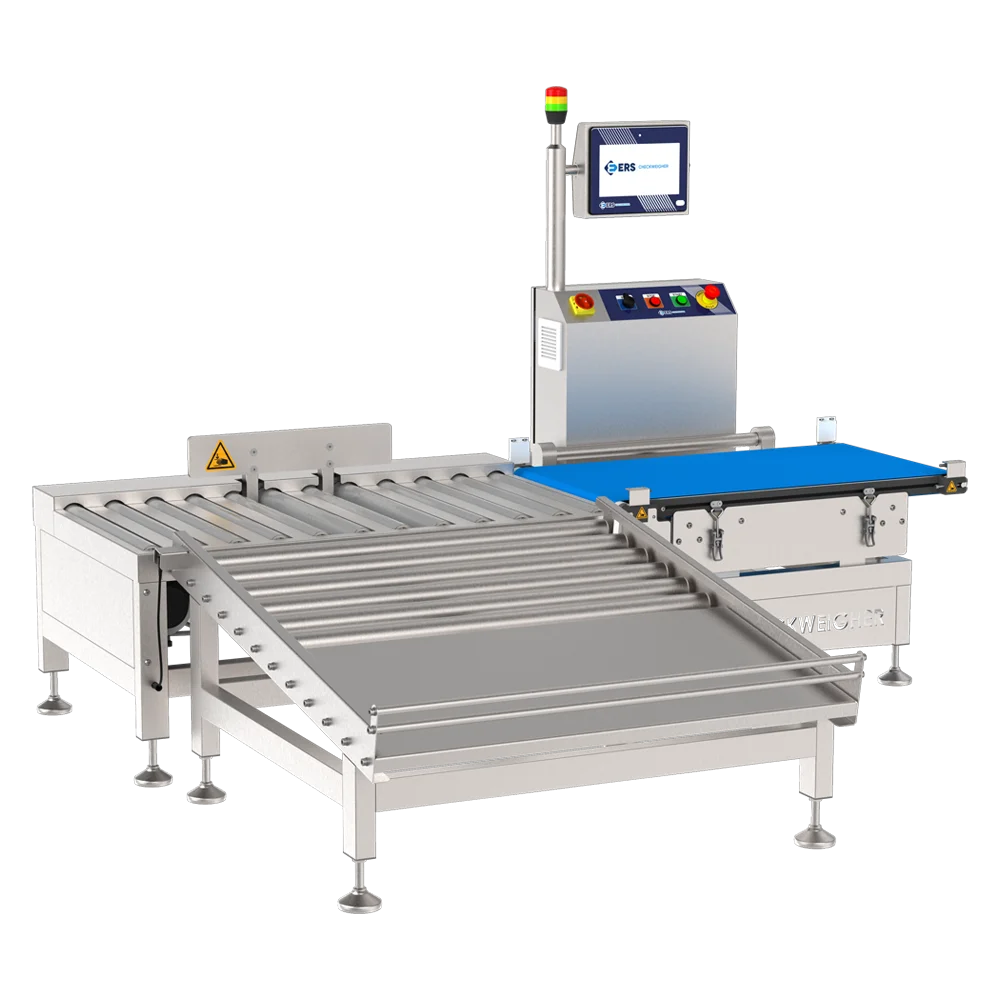
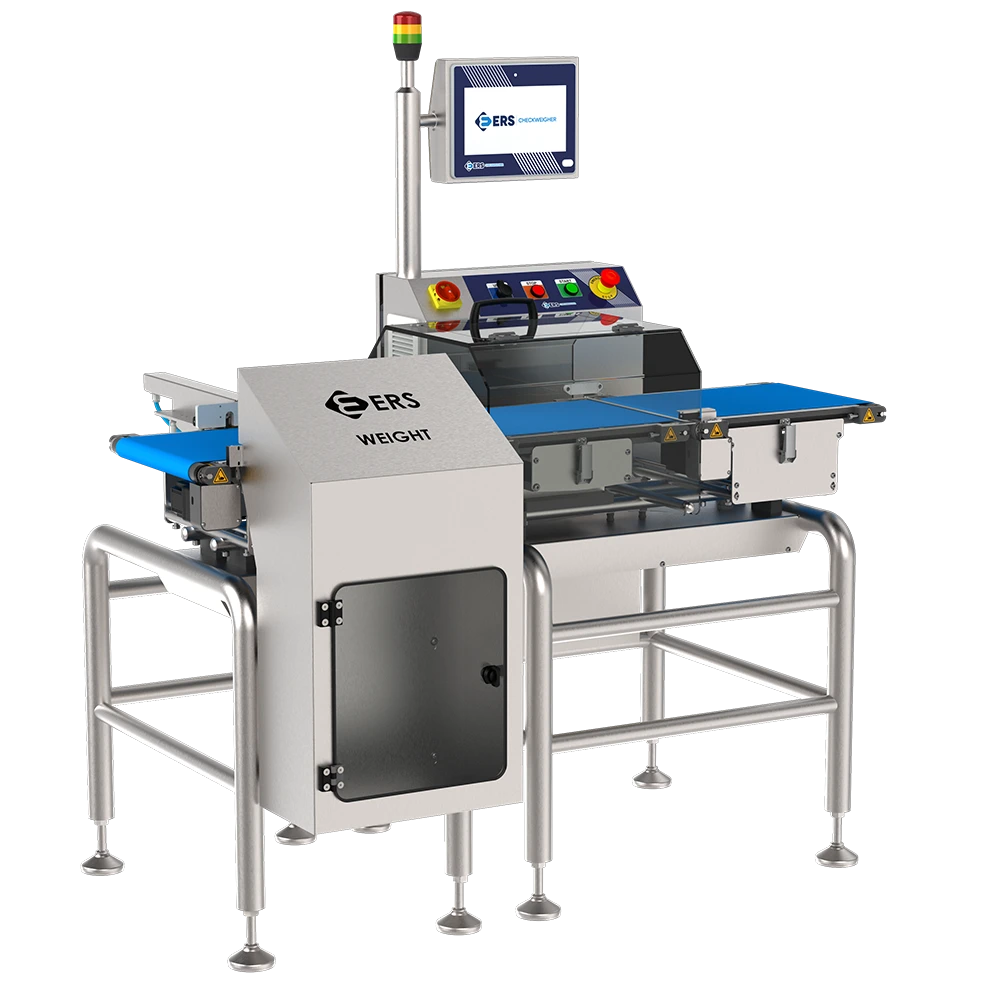
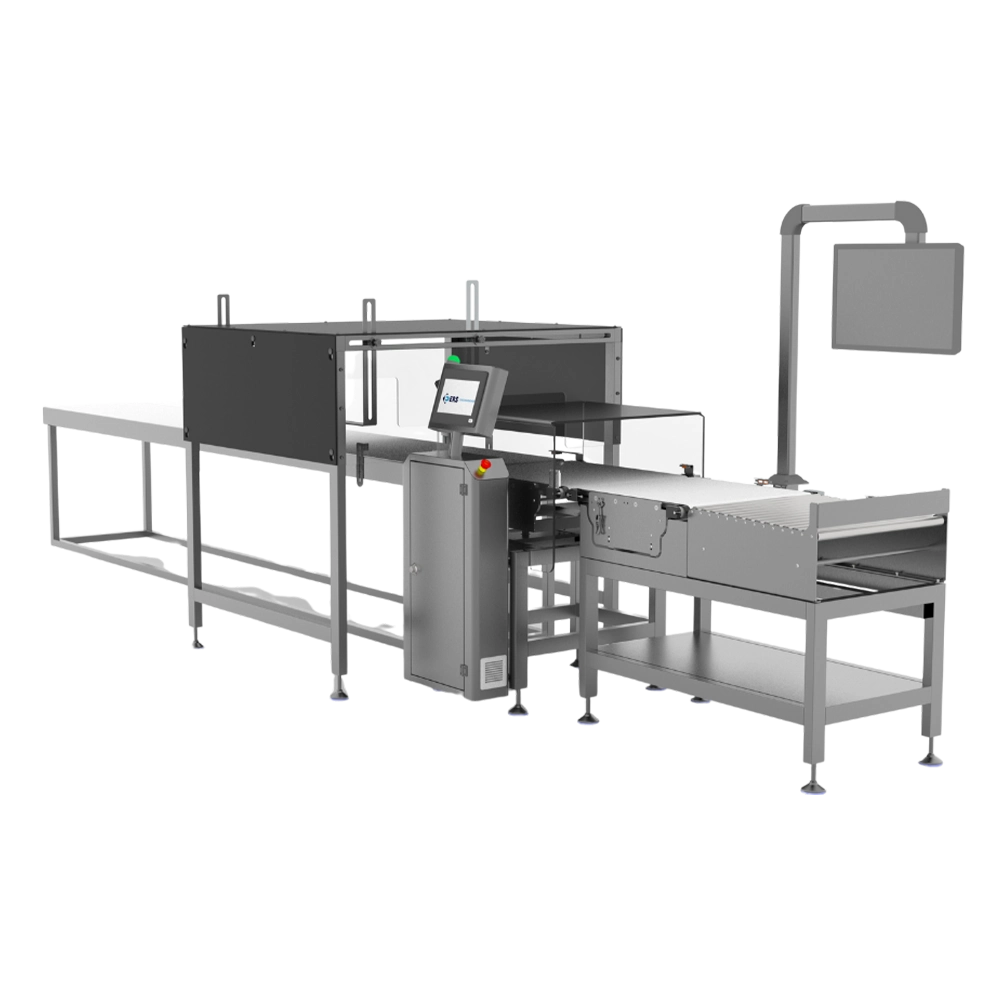
A major advantage of a modern industrial metal detector for automated process lines is its ability to work as part of a wider production system. It is not simply a standalone inspection unit. It becomes an integrated control point within the overall line structure, supporting synchronized operation with conveyors, reject mechanisms, packaging equipment, and monitoring systems. This level of compatibility helps manufacturers maintain a more connected and responsive production environment.
When metal detection is integrated properly, the line benefits from stronger process continuity and clearer inspection logic. Products move through the system in a stable sequence, contamination events are handled in real time, and operators gain better visibility into how the inspection stage is performing. This kind of system integration is especially important in modern factories where each machine must contribute to overall efficiency rather than create unnecessary delays or complexity.
Accurate Detection Across Industrial Applications
The primary role of an industrial metal detector is to identify metallic contaminants with consistent sensitivity and reliability. Depending on the application, the system may be configured to detect ferrous, non-ferrous, and stainless steel contaminants across a wide range of product types and packaging conditions. This makes it suitable for food, pharmaceuticals, chemicals, plastics, textiles, and other sectors where contamination can affect product safety and operational quality.
Accurate detection is not only a matter of sensor capability. It also depends on how well the system supports stable product handling, consistent inspection conditions, and line-specific calibration. A detector that is properly designed for industrial use helps manufacturers achieve more dependable results while reducing the chance of missed contaminants or unnecessary false rejects. In demanding production environments, this reliability is essential for maintaining confidence in the inspection process.
Continuous Inline Inspection Without Interrupting Flow
One of the biggest strengths of an industrial metal detector for automated process lines is its ability to support uninterrupted inline inspection. Products can be checked continuously as they move through the line, allowing contamination control to happen in real time without stopping the process. This is a major advantage for facilities where throughput, efficiency, and inspection discipline must all be maintained at the same time.
Continuous inline inspection improves operational control by reducing dependence on manual checks and delayed correction. Instead of identifying issues after production has already advanced, manufacturers can detect contamination immediately and take action at the point of inspection. This keeps the line more efficient, reduces downstream disruption, and helps maintain a cleaner production workflow from start to finish.
Hygiene Standards
Designed for clean and controlled production environments with reliable inspection performance and practical system maintenance.
Fast Production
Supports automated process lines with continuous metal detection and stable inspection flow in high-output operations.
Accurate Measurement
Provides dependable detection of ferrous, non-ferrous, and stainless steel contaminants across industrial production applications.
Food Safety
Helps prevent contaminated products from advancing through the process line and supports safer production control.
Supporting Production Efficiency and Process Stability
Modern production lines must operate with both speed and stability. If an inspection system slows the line down or creates unnecessary intervention points, it reduces overall efficiency. A well-engineered industrial metal detector avoids this problem by operating in sync with automated production flow and supporting inspection without becoming a bottleneck. This makes it a practical solution for manufacturers that need both contamination control and stable throughput.
By supporting seamless inspection within the process line, the system helps reduce downtime, improve line predictability, and strengthen production discipline. Operators can rely on the equipment to perform inspection consistently while management gains a more stable workflow that is easier to monitor and optimize. In competitive industrial environments, this combination of control and continuity provides meaningful operational value.
Automatic Rejection and Real-Time Response
In many applications, detection alone is not enough. Once contamination is identified, the system must also support a fast and reliable response. This is why many industrial metal detector systems are paired with automatic rejection mechanisms that remove non-conforming products immediately after detection. This creates a more complete inspection structure in which identification and action are closely linked.
Automatic rejection reduces manual handling and helps prevent contaminated items from continuing to downstream processes. It also strengthens quality assurance by ensuring that the response to contamination is consistent and immediate. On high-output automated process lines, this capability is especially valuable because it maintains inspection discipline without interrupting throughput or increasing labor dependency.
Improving Product Safety and Quality Assurance
Metal contamination can create serious problems for manufacturers, from product recalls and customer complaints to damaged brand reputation and lost operational confidence. A dependable industrial metal detector for automated process lines helps reduce these risks by creating a stronger barrier between contamination events and the final product. This supports not only product safety, but also a more reliable quality assurance structure across the production environment.
For manufacturers working in sensitive industries, inspection systems play a direct role in protecting both internal standards and external credibility. A detector that operates consistently within the automated line helps ensure that contamination risks are managed before they affect packaging, shipment, or customer satisfaction. This makes metal detection a critical part of long-term quality control strategy rather than a simple technical add-on.
Suitable for Demanding Industrial Environments
Industrial production conditions can vary significantly depending on the application, product type, and working environment. Some lines require high-speed inspection, while others demand more attention to dust, vibration, packaging variation, or product handling stability. A properly engineered industrial metal detector must therefore be built to perform reliably under demanding and changing process conditions.
This includes not only detection sensitivity, but also mechanical durability, line compatibility, and practical usability for daily operation. A strong system design helps ensure that the detector remains stable under industrial workloads and continues to deliver dependable inspection performance over time. For manufacturers seeking long-term process confidence, this kind of durability is just as important as raw detection capability.
Better Visibility and Process Control
Another major advantage of automated inspection systems is the visibility they provide across the production process. An industrial metal detector can contribute valuable information about contamination events, rejection activity, system status, and inspection performance. This gives operators and managers a clearer understanding of line behavior and helps them respond more effectively when process conditions change.
Better visibility supports better control. When inspection results are easier to monitor and interpret, production teams can identify recurring issues faster, improve operating procedures, and strengthen internal quality management. In more advanced manufacturing environments, this process transparency becomes an important part of building a smarter and more responsive line structure.
Long-Term Value for Industrial Manufacturers
Choosing the right industrial metal detector for automated process lines is not only about addressing immediate contamination risks. It is also about building a stronger inspection infrastructure for long-term performance. A well-integrated system helps manufacturers improve contamination control, reduce manual intervention, maintain stable throughput, and support more reliable quality outcomes over time.
For industrial businesses investing in automation and process optimization, metal detection systems offer measurable value across multiple areas of production. They support safer output, better process discipline, stronger operational confidence, and improved product protection. In high-demand sectors, these benefits contribute directly to both production efficiency and long-term commercial stability.
A Stronger Approach to Automated Contamination Control
As automated manufacturing systems continue to evolve, contamination control must also become more integrated, more responsive, and more dependable. An industrial metal detector designed for automated process lines meets this need by combining accurate detection capability with stable line performance and real-time inspection control. It supports a production environment where safety, efficiency, and consistency work together rather than compete with one another.
For manufacturers seeking stronger inline inspection across automated operations, an industrial metal detector provides a practical and scalable solution. It helps create a production line that is more controlled, more efficient, and better prepared for the demands of modern industrial processing.
