
- Home
- Industrial Checkweigher for Automated Production Lines
Industrial Checkweigher Systems

Industrial Checkweigher
Modern manufacturing requires speed, consistency, and measurable accuracy at every stage of packaging. A industrial checkweigher is one of the most valuable systems for businesses that want to maintain stable product quality while keeping throughput high. On fast-moving lines, even small weight deviations can lead to compliance risks, unnecessary giveaway, customer dissatisfaction, and avoidable production loss. For this reason, investing in a checkweigher for automated production lines is not only a technical upgrade, but also a strategic decision that supports long-term operational performance.
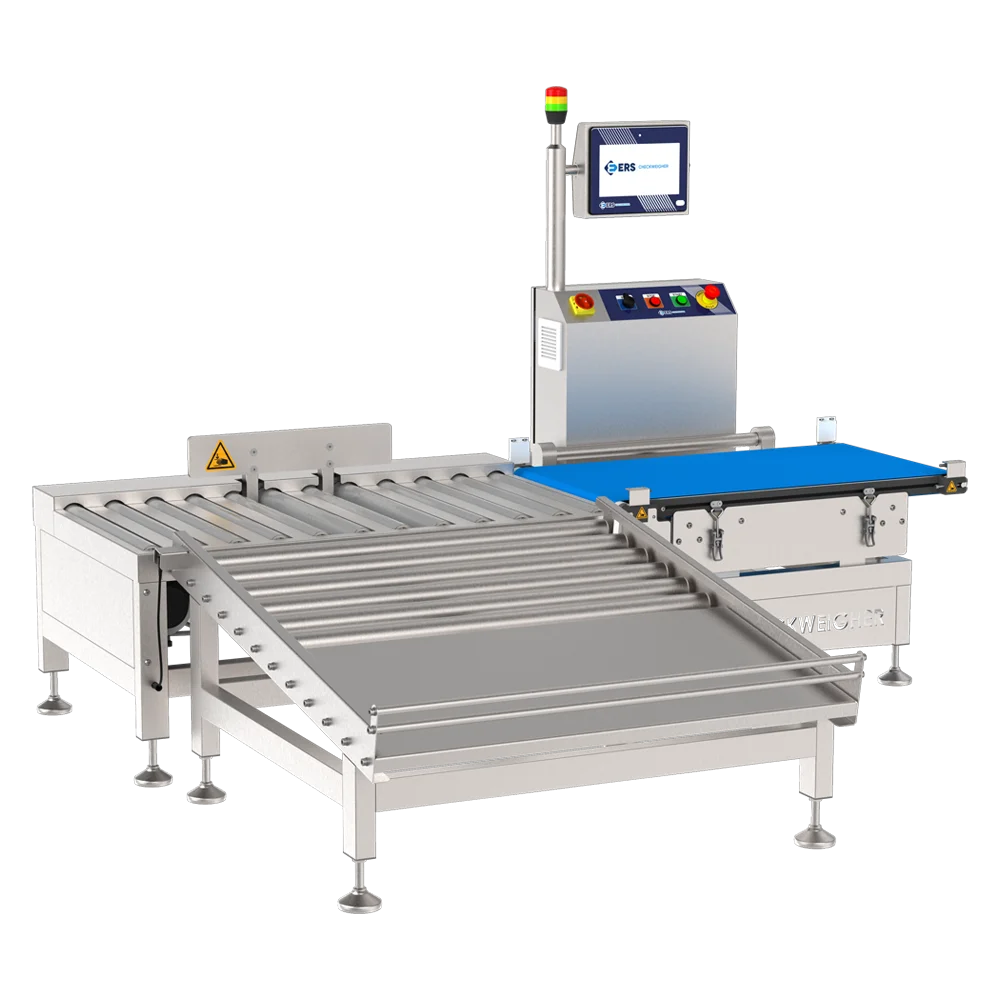
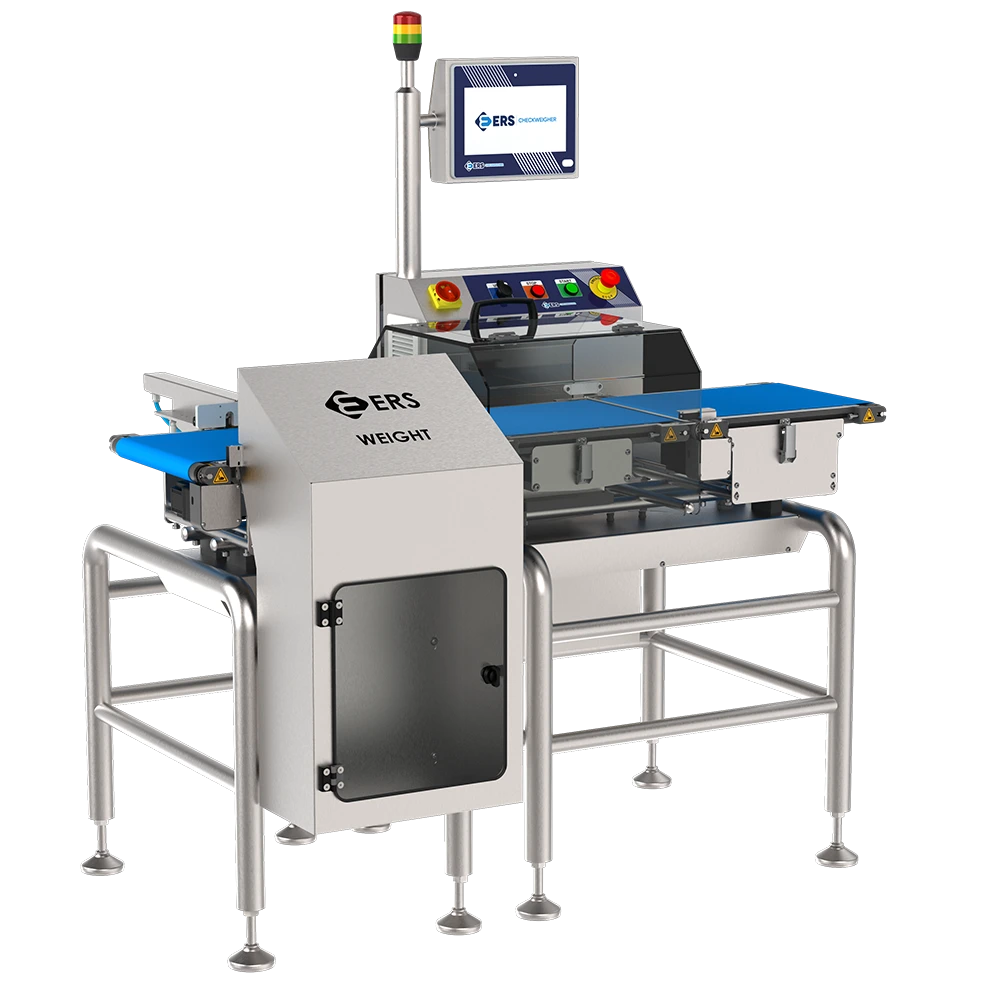
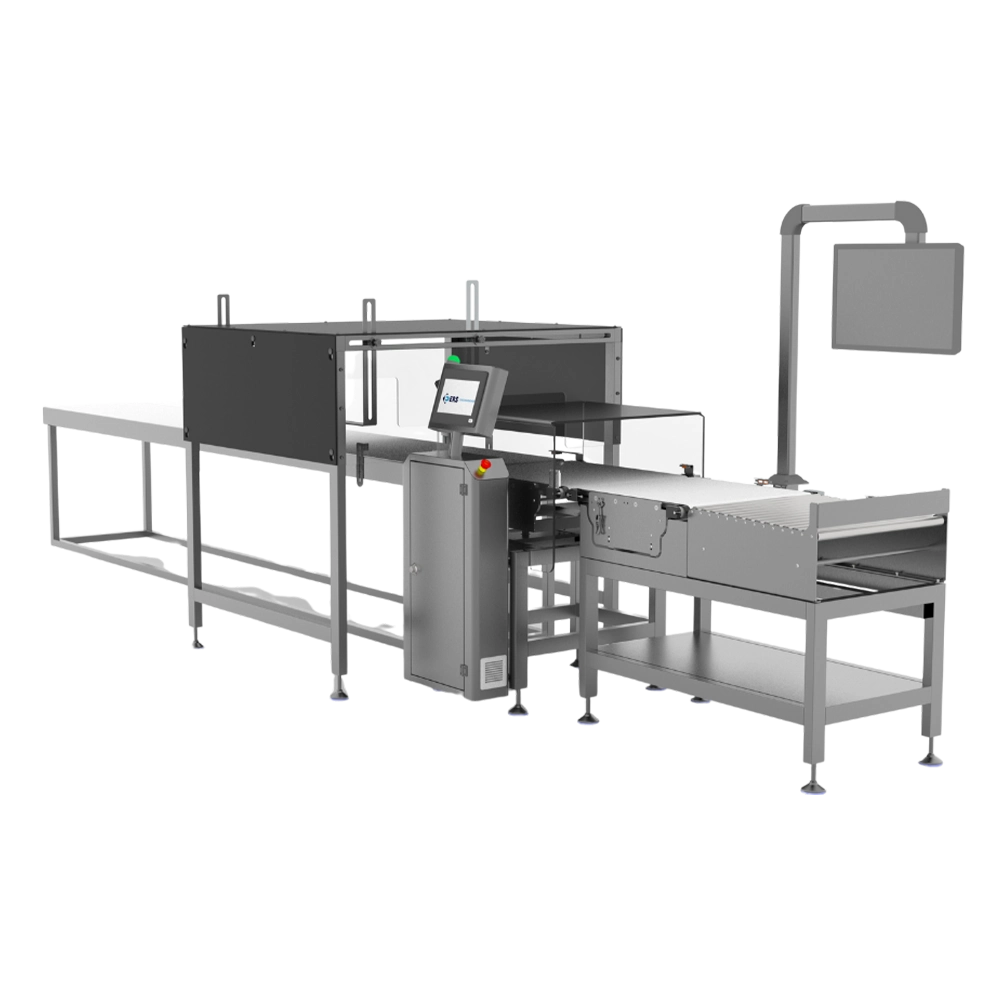
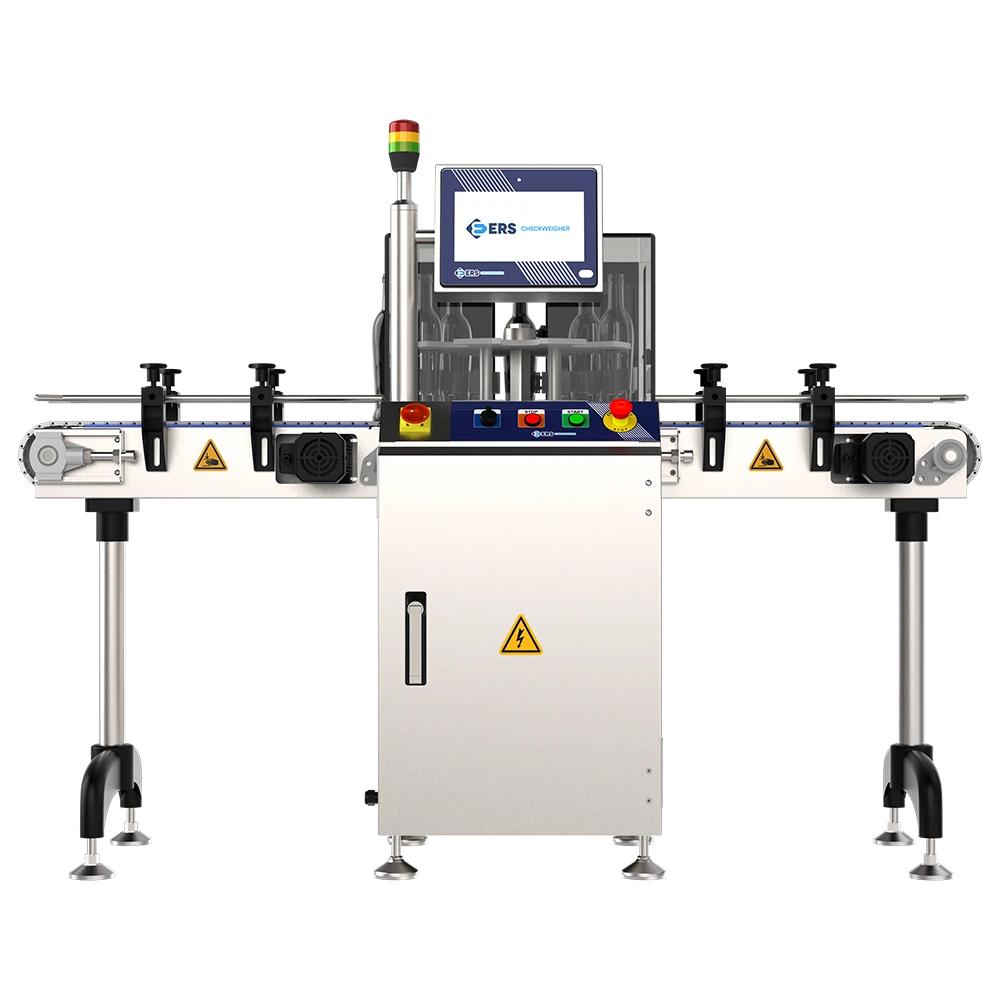
A industrial checkweigher for automated production lines is designed to inspect the weight of each product while it moves through the conveyor system. Unlike manual sampling methods, this process works continuously and gives manufacturers real-time control over product weight. That means underweight and overweight packs can be identified instantly, without slowing the packaging flow. In industries where precision directly affects profitability, a dynamic checkweigher provides both protection and efficiency.


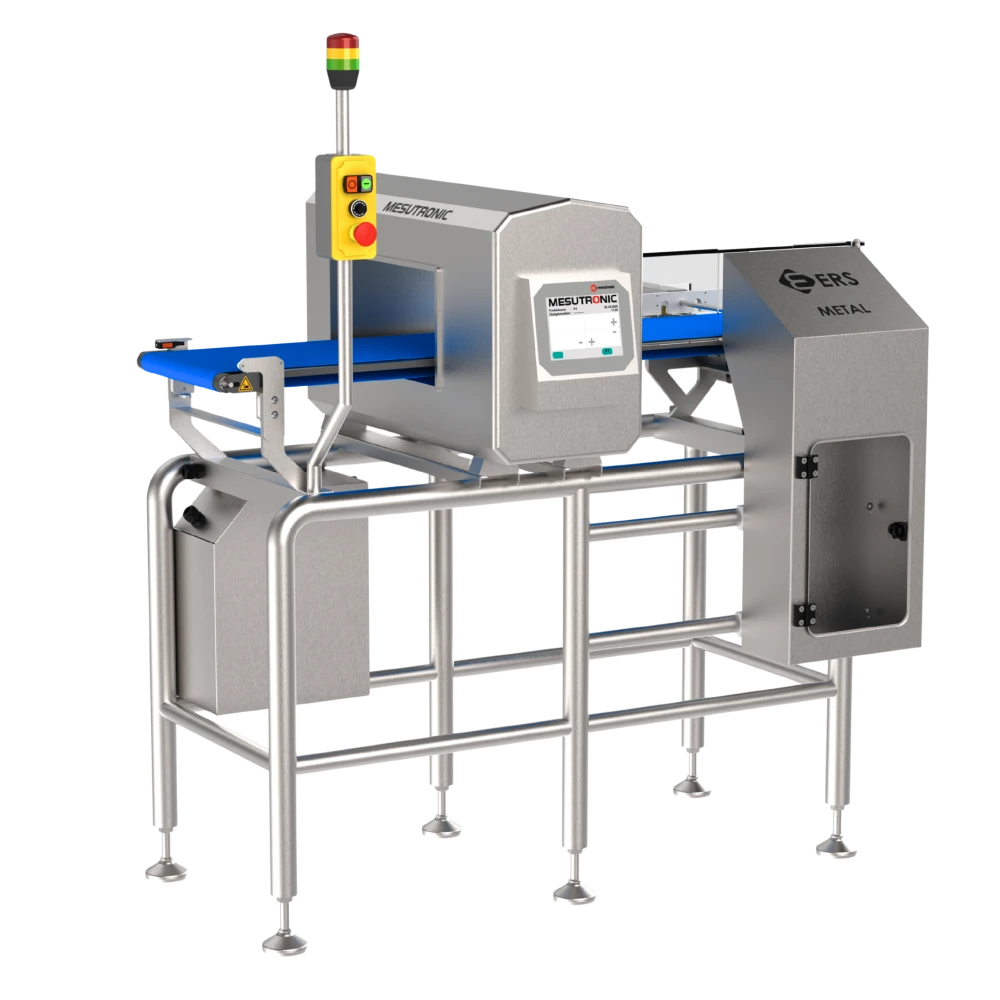
Built for Automated Production Lines
Production environments today are expected to deliver more units in less time without sacrificing consistency. A checkweigher for automated production lines supports this objective by becoming part of the line rather than acting as a separate control point. The system weighs products automatically, compares them against target tolerances, and activates the reject process when needed. This allows production teams to maintain flow continuity while improving inspection discipline across the line.
An advanced industrial checkweigher can help reduce bottlenecks, support process standardization, and improve packaging stability. In automated environments, this type of control is especially important because line speed leaves little room for manual intervention. A properly integrated automated checkweigher system allows operators to focus on monitoring performance instead of correcting weight-related problems after they occur.
Accuracy, Compliance, and Product Consistency
Weight accuracy is one of the core performance indicators in packaging operations. A precision checkweigher helps manufacturers verify that each unit falls within the acceptable weight range before it reaches the next stage of the process. This improves not only product consistency but also commercial reliability. If a package is lighter than expected, it may create labeling and compliance issues. If it is heavier than necessary, it increases giveaway and reduces margin.
Using a industrial checkweigher makes it easier to maintain declared product weight, protect brand trust, and support internal quality targets. For companies serving regulated markets, an accurate food checkweigher also reinforces line discipline by ensuring that every pack is checked, not just selected samples. This creates a stronger quality assurance framework and helps reduce complaints linked to pack inconsistency.
Hygienic Design for Food and Sensitive Production Areas
In food and hygiene-sensitive sectors, machine construction matters as much as weighing performance. A modern food checkweigher should be designed with cleanability, durability, and production safety in mind. Stainless steel surfaces, hygienic structure, and easy-access design all contribute to a more controlled production environment. For facilities that must maintain sanitation standards while preserving efficiency, a hygienic industrial checkweigher becomes a critical part of the packaging line.
A reliable checkweigher for food production should perform consistently in environments where washdown, moisture, dust, or frequent cleaning cycles are part of normal operations. This kind of design helps reduce contamination risk while supporting uninterrupted production. In practical terms, that means manufacturers gain both inspection precision and a machine platform suited to strict operational conditions.
Hygiene Standards
Designed in compliance with international hygiene regulations and food safety requirements for clean and reliable production environments.
Fast Production
Supports high-speed weighing and inspection to improve production efficiency without interrupting line flow.
Accurate Measurement
Delivers precise and consistent weighing performance for reliable results in every production cycle.
Food Safety
Engineered to help prevent contamination and support safer production processes across food handling lines.
Long-Term Value for Manufacturers
Strategic Investment for Modern Manufacturers
Choosing the right industrial checkweigher is not only about weighing products accurately as they move through the line. It is a strategic investment that directly supports profitability, improves process discipline, and strengthens the reliability of the entire production operation. In today’s competitive manufacturing environment, even small weight inconsistencies can lead to major issues such as product giveaway, rejected batches, customer dissatisfaction, and unnecessary production costs. For this reason, manufacturers that want to modernize their packaging operations increasingly rely on a checkweigher for automated production lines to build a more controlled, efficient, and dependable workflow.
Real-Time Quality Control on the Line
A high-performance industrial checkweigher does far more than determine whether a pack is above or below a target weight. It becomes an essential part of the overall quality control strategy by checking every product in motion and comparing actual weight values against predefined tolerances in real time. This continuous inspection process allows underweight and overweight products to be identified immediately, helping manufacturers reduce waste, maintain product consistency, and ensure that only compliant packs continue through the line. Instead of relying on manual inspections or random sample checks, companies can achieve a much higher level of control with an inline checkweigher designed for fast and uninterrupted production.
Stable Throughput for High-Speed Packaging
For manufacturers operating high-speed packaging systems, consistency is just as important as speed. A reliable dynamic checkweigher supports line efficiency by working seamlessly within the production flow without interrupting throughput. This means production teams can maintain output targets while also improving accuracy and reducing the risk of downstream issues. When integrated properly, the system helps stabilize the packaging process, supports better filling accuracy, and minimizes the need for manual correction. Over time, this creates a more disciplined production environment where errors are detected earlier, corrective actions are faster, and overall performance becomes easier to manage.
Reducing Product Giveaway and Hidden Costs
Another important advantage of using an industrial checkweigher for automated production lines is the reduction of product giveaway. In many industries, manufacturers intentionally overfill products to avoid the risk of being under target weight. While this may appear to reduce compliance concerns, it often creates substantial hidden losses over time. A precise checkweigher machine helps manufacturers keep products much closer to their desired target weight, improving cost control without compromising product integrity. This is especially important for businesses with high production volumes, where even a small excess in every package can add up to major financial loss over weeks and months.
Compliance and Traceability Benefits
In addition to cost control, a modern automated checkweigher system also supports compliance and traceability. Many sectors, particularly food, pharmaceuticals, and packaged consumer goods, require strict monitoring of product specifications and process reliability. A dependable industrial checkweigher helps manufacturers demonstrate stronger control over their packaging standards by verifying that each unit meets the required weight criteria before it leaves the line. This not only strengthens internal quality assurance procedures but also creates greater confidence during audits, improves customer trust, and protects brand reputation in regulated markets.
Hygienic and Durable System Design
Hygiene and durability are also critical factors, especially for manufacturers working in sensitive production environments. A well-designed food checkweigher should combine weighing accuracy with a hygienic structure that supports regular cleaning and demanding operating conditions. Stainless steel construction, easy-to-clean surfaces, and strong mechanical stability all contribute to safer and more efficient production. In facilities where sanitation standards are essential, selecting a hygienic industrial checkweigher is just as important as choosing the right weighing accuracy or conveyor speed. This balance between performance and hygienic design helps manufacturers maintain both operational continuity and food safety standards.
Integration with Advanced Inspection Systems
Another key benefit of a robust industrial checkweigher is its ability to integrate with wider inspection and packaging systems. On advanced production lines, the machine can work together with reject systems, labeling units, barcode inspection, metal detection, and data monitoring platforms to create a smarter and more responsive operation. In this way, a checkweigher for automated production lines becomes more than a weighing device; it becomes a central component of a broader production control infrastructure. This kind of integration improves visibility, supports process optimization, and gives manufacturers better insight into line performance over time.
Long-Term Value for Manufacturers
Whether the goal is to reduce giveaway, improve pack accuracy, support compliance, increase throughput, or optimize line efficiency, a robust dynamic checkweigher delivers measurable and long-term value. For businesses seeking a dependable industrial checkweigher for automated production lines, the ideal solution is one that combines precision, hygienic design, stable throughput, automatic rejection capability, and intelligent integration with the wider production environment. In competitive manufacturing sectors, this combination helps create a stronger, smarter, and more resilient production line from end to end, while also supporting sustainable growth, better product consistency, and higher operational confidence.
