
- Home
- Food Packaging Inspection Combo System for Hygienic Combined Lines
Food Packaging Inspection Combo Solutions

Food Packaging Inspection Combo System
In modern food production, packaging is no longer just the final step before shipment. It is also one of the most important control points for product safety, weight accuracy, and contamination prevention. This is why a food packaging inspection combo system has become an increasingly valuable solution for manufacturers that need stronger inline control without adding unnecessary complexity to the line. By combining checkweighing and metal detection in one integrated structure, businesses can create a more disciplined and more efficient inspection process across hygienic packaging operations.
Food manufacturers are under constant pressure to maintain speed, consistency, and high safety standards at the same time. Underweight packs can create compliance concerns and customer dissatisfaction, while metal contamination can create much more serious risks for both consumers and brand reputation. A combined inspection system helps manage these issues together, allowing producers to inspect pack weight and contamination status within one coordinated process stage rather than through separate and disconnected control points.
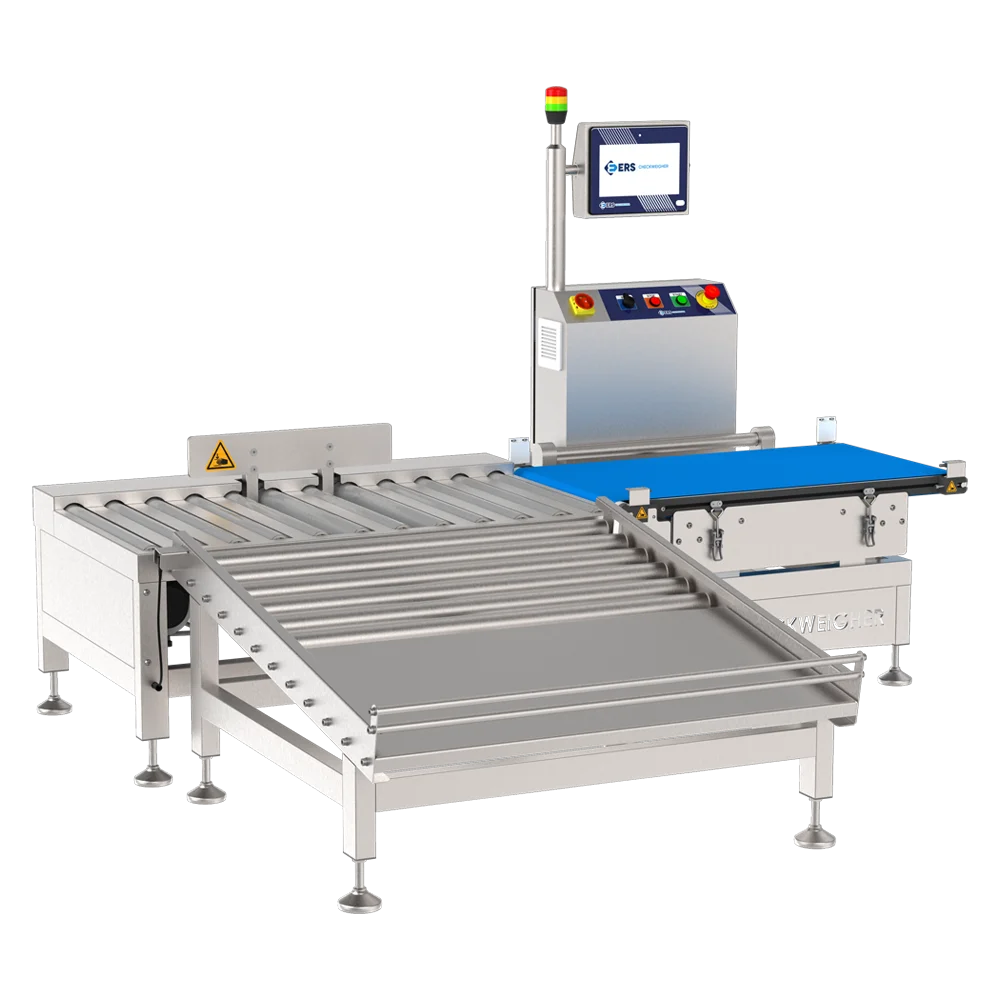
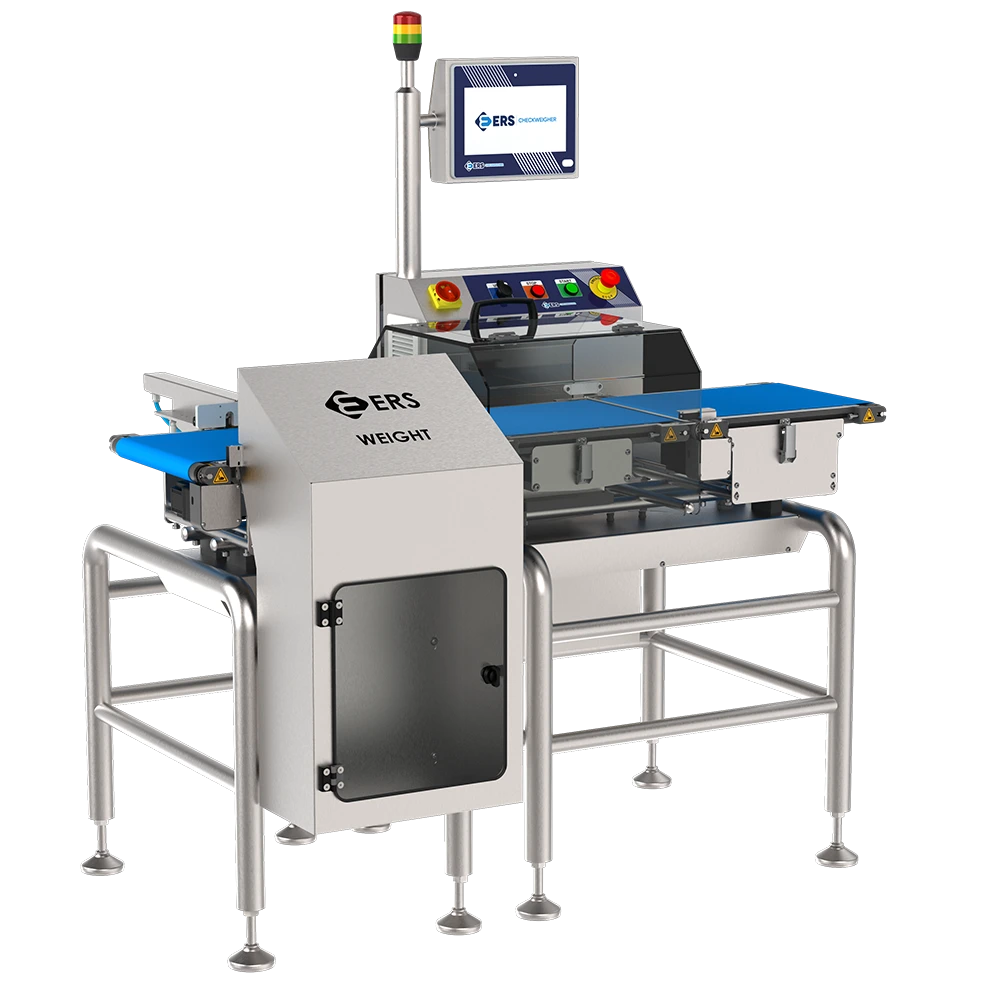
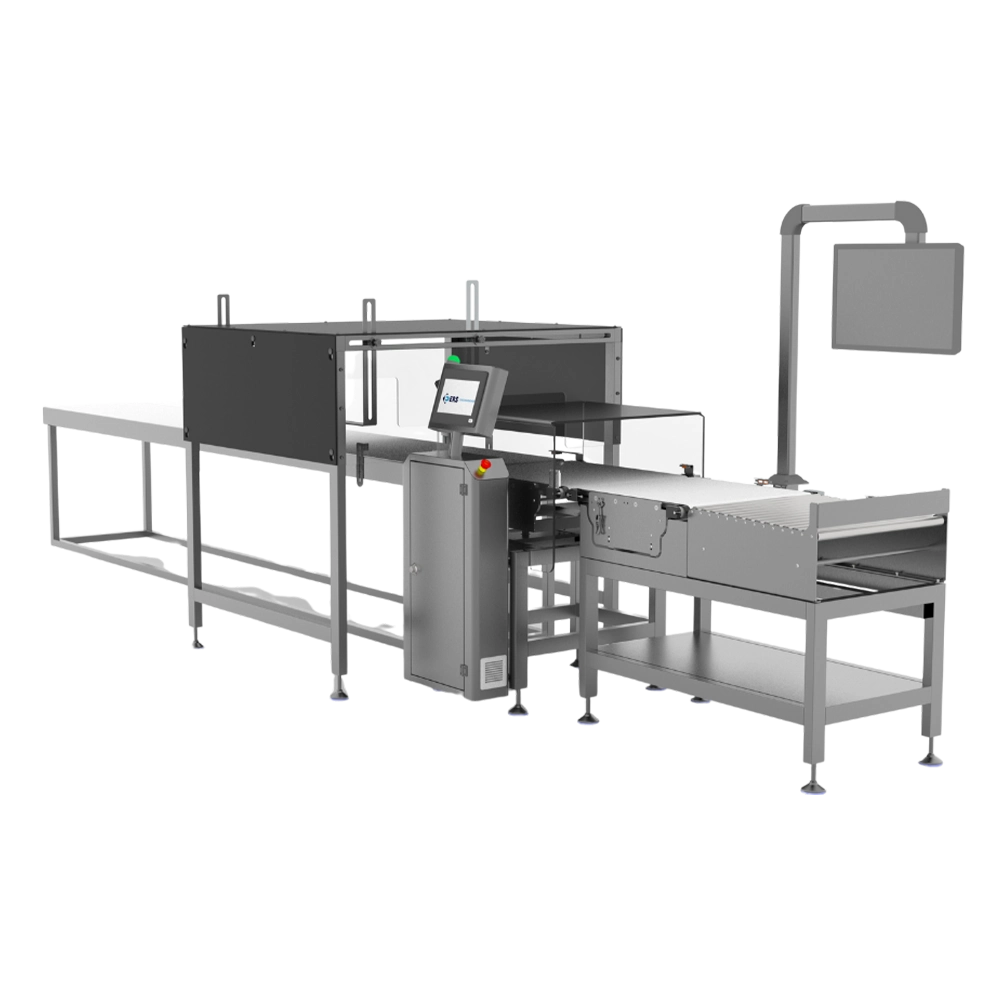

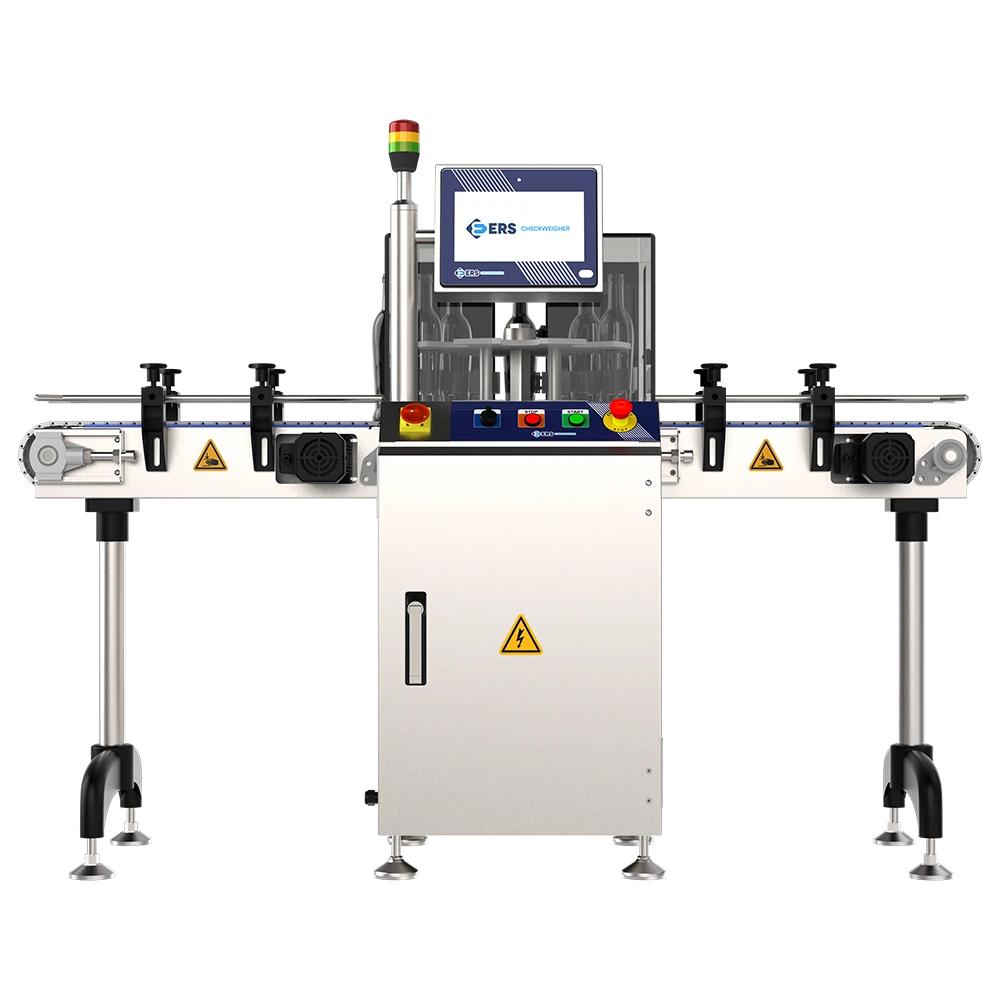

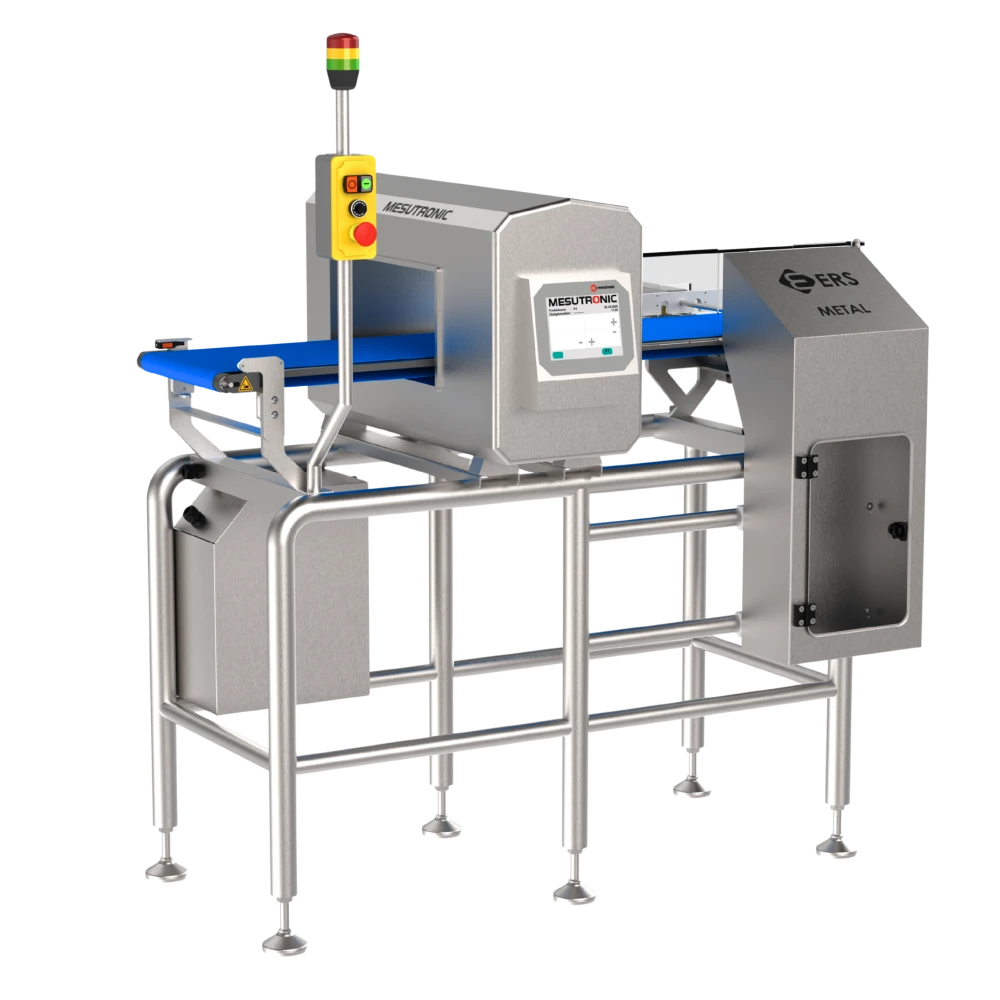
Built for Hygienic Combined Production Lines
A food packaging inspection combo system for hygienic combined lines is designed for environments where cleanability, reliable inspection, and line continuity must operate together. In food applications, equipment cannot be selected only for technical function. It must also support hygiene requirements, practical cleaning procedures, and durable operation under daily washdown or sanitation routines. This makes hygienic design a central part of the system’s value.
Combined lines are especially useful where manufacturers want to simplify inspection layout while preserving strong product control. Instead of dedicating separate space and separate process coordination to individual machines, a combined solution supports a cleaner line structure. This is particularly relevant in food factories where space efficiency, line discipline, and hygienic system organization all influence overall production performance.
Combining Weight Control and Metal Detection in One System
The main advantage of a combo inspection machine is that it brings two essential control functions into one integrated platform. The checkweigher verifies whether each pack remains within the required weight tolerance, while the metal detector checks for ferrous, non-ferrous, and stainless steel contamination before the product moves further into packaging or dispatch. This makes the system highly practical for food manufacturers that need both weight accuracy and contamination protection in the same production stage.
This dual-control approach improves inspection consistency because every product is evaluated under a unified process structure. Instead of depending on separate inspection stations with different handling points, products pass through one coordinated system that supports faster decision-making and more efficient rejection logic. In hygienic food packaging environments, this type of integration helps simplify control while also strengthening process reliability.
Supporting Hygienic Food Production Standards
Hygiene is one of the defining requirements of food packaging operations. Inspection systems used in these environments must be suitable for controlled food handling areas and designed in a way that supports regular sanitation without compromising performance. A properly engineered hygienic inspection system helps reduce residue buildup, improves cleaning access, and supports safer day-to-day operation across the line.
Hygienic Design
Built for hygienic food packaging environments with practical cleaning structure and dependable combined inspection performance.
Integrated Control
Combines weight verification and metal detection in one efficient system for stronger inline packaging control.
Accurate Inspection
Supports reliable pack weight accuracy and metal contamination detection across fast-moving food production lines.
Production Efficiency
Improves line organization and inspection flow with a compact combo solution designed for automated packaging operations.
Applications of Food Checkweighers
Improving Weight Accuracy in Food Packaging Lines
Weight control remains one of the most important inspection tasks in packaged food production. Underfilled packs may create commercial and compliance issues, while overfilled packs often lead to hidden giveaway that reduces profitability across large production volumes. A well-configured checkweigher within a food packaging inspection combo system helps reduce both risks by checking every product in motion and comparing it against predefined limits.
This type of control is especially valuable on fast-moving lines where manual checks are not enough to maintain consistency. Continuous inline weighing helps manufacturers improve pack conformity and build stronger confidence in declared product quantity. Over time, this contributes not only to better regulatory alignment, but also to improved material efficiency and stronger operational control across the packaging stage.
Protecting Food Products Through Inline Metal Detection
Metal contamination remains one of the most serious quality and safety risks in food processing. Fragments from upstream equipment, broken components, or handling-related contamination can all create major problems if not identified before the product reaches final packaging or distribution. This is why integrated metal detection remains a core part of hygienic food inspection.
Within a combo system, metal detection helps create an immediate contamination control point at one of the most critical stages of production. Products can be checked continuously without interrupting flow, and non-conforming items can be identified before they move further into sealing, labeling, boxing, or shipment. This strengthens food safety procedures and helps manufacturers build more confidence in the integrity of packaged products.
Supporting Continuous Inline Inspection Without Slowing the Line
One of the major strengths of a combined inspection solution is its ability to support continuous inline control without creating unnecessary delays. Food packaging lines often operate under strict throughput expectations, and any inspection stage that slows the line too much can affect the efficiency of the entire production process. A properly designed combo system helps avoid this problem by combining two inspection functions into one coordinated unit.
This supports smoother product flow and reduces the number of handling transitions within the line. Operators can manage one integrated inspection point instead of multiple disconnected machines, while production managers gain a cleaner and more stable process structure. In high-output food environments, this balance between inline speed and inspection discipline is one of the most important advantages of combined systems.
Automatic Rejection for Non-Conforming Products
A complete food packaging inspection process must do more than identify problems. It must also remove non-conforming products quickly and consistently. For this reason, combo systems are typically paired with rejection logic that responds automatically when weight or contamination limits are not met. If a pack is underweight, overweight, or contaminated, the system can trigger the correct reject action without delay.
This reduces manual intervention and helps prevent defective packs from continuing into later packaging stages. It also strengthens process discipline by ensuring that inspection outcomes lead to immediate and standardized action. In hygienic food production lines, this kind of automatic response supports safer packaging operations and reduces the operational burden on staff.
Better Space Use and Cleaner Line Layout
Another important benefit of a food packaging inspection combo system for hygienic combined lines is improved use of production space. In many food factories, packaging areas must be carefully organized to support hygiene, movement efficiency, and service access. Installing separate machines for weighing and metal detection can increase the footprint of the inspection stage and complicate layout planning.
A combined machine helps reduce that complexity by offering a more compact inspection footprint. This supports a cleaner line arrangement and can make the packaging process easier to manage from both an operational and hygienic perspective. For businesses expanding existing lines or designing new food packaging systems, this compact structure can be a major practical advantage.
Better Integration Across Automated Food Packaging Lines
Modern packaging operations depend on connected equipment that works together with minimal disruption. A combo inspection system should therefore integrate effectively with conveyors, reject devices, labeling equipment, coding systems, and monitoring platforms. When integration is handled well, the inspection machine becomes part of the wider line logic rather than an isolated checkpoint.
This helps improve process visibility and makes the packaging line easier to control. Inspection results, rejection events, and product flow behavior can be monitored more clearly, allowing teams to identify trends and respond to issues more effectively. In hygienic food production, this type of integrated visibility supports stronger quality assurance and more stable daily operations.
Food Safety and Brand Protection Benefits
A contamination issue or packaging inconsistency in food production can quickly become a much larger commercial problem. Beyond batch loss, it can affect customer trust, retail relationships, and the long-term credibility of the brand. A dependable combo inspection system helps reduce these risks by verifying product weight and contamination status before products leave the packaging line.
This creates stronger protection not only for consumers, but also for the business itself. Manufacturers that maintain better inline control are better positioned to reduce complaints, strengthen food safety procedures, and protect the reputation of their products in competitive markets. In this sense, a food packaging inspection combo system is not just a technical solution. It is a broader investment in production confidence and brand reliability.
Long-Term Value for Hygienic Packaging Operations
Choosing the right food packaging inspection combo system is not only about meeting current inspection needs. It is also about building a packaging structure that can support long-term efficiency, stronger hygiene standards, and more reliable quality control over time. A well-selected system helps manufacturers reduce giveaway, improve contamination protection, simplify line layout, and operate with more predictable inspection performance.
For food producers working in demanding packaging environments, these advantages create measurable value across multiple levels of production. Better pack accuracy improves cost control. Better contamination detection supports safer output. Better integration improves workflow efficiency. Together, these benefits help create a more resilient and more scalable packaging operation for the future.
A Smarter Approach to Hygienic Combined Inspection
As food packaging lines become more automated and quality-driven, inspection systems must deliver more than isolated control functions. They must combine accuracy, hygiene, integration, and efficient operation within one practical structure. A food packaging inspection combo system for hygienic combined lines meets this need by bringing weight control and metal detection together in a more unified and production-ready solution.
For manufacturers that want stronger food packaging control without sacrificing line efficiency, this type of combo system offers a highly practical path forward. It supports a packaging line that is cleaner, safer, and better prepared for the demands of modern hygienic food production.
