
- Home
- Seafood Processing Equipment Solutions
Seafood Processing Equipment Solutions

Importance of Specialized Equipment in Seafood Processing
Seafood processing requires a high level of precision, hygiene, and efficiency to maintain product quality and safety. Unlike many other food categories, fish and seafood products are highly sensitive to handling conditions, temperature changes, and processing speed. This is why fish processing equipment plays a critical role in ensuring that production lines operate smoothly while maintaining strict quality standards.
From raw material handling to final packaging, each stage of the process must be carefully controlled. Proper equipment helps minimize product damage, maintain freshness, and support consistent processing results. For seafood manufacturers, investing in the right machinery is essential for achieving both operational efficiency and product reliability.

Designed for Modern Seafood Production Lines
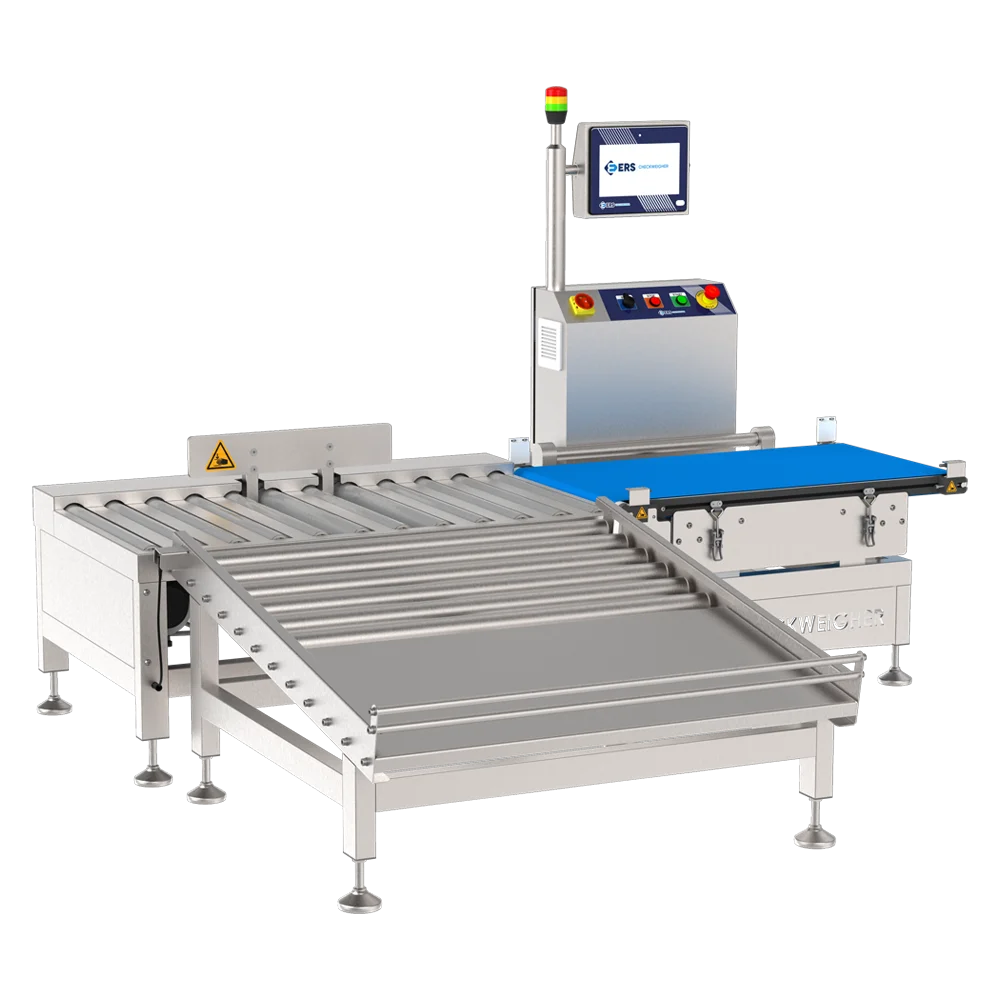
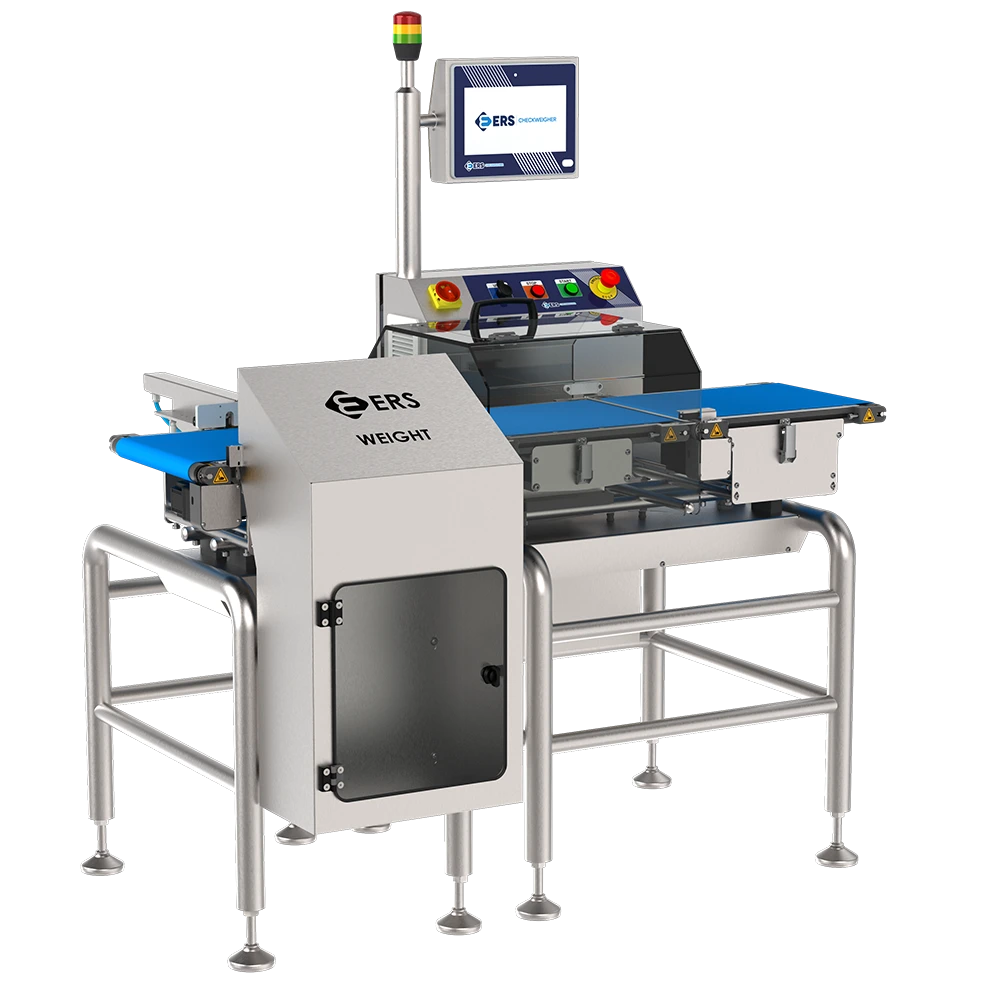
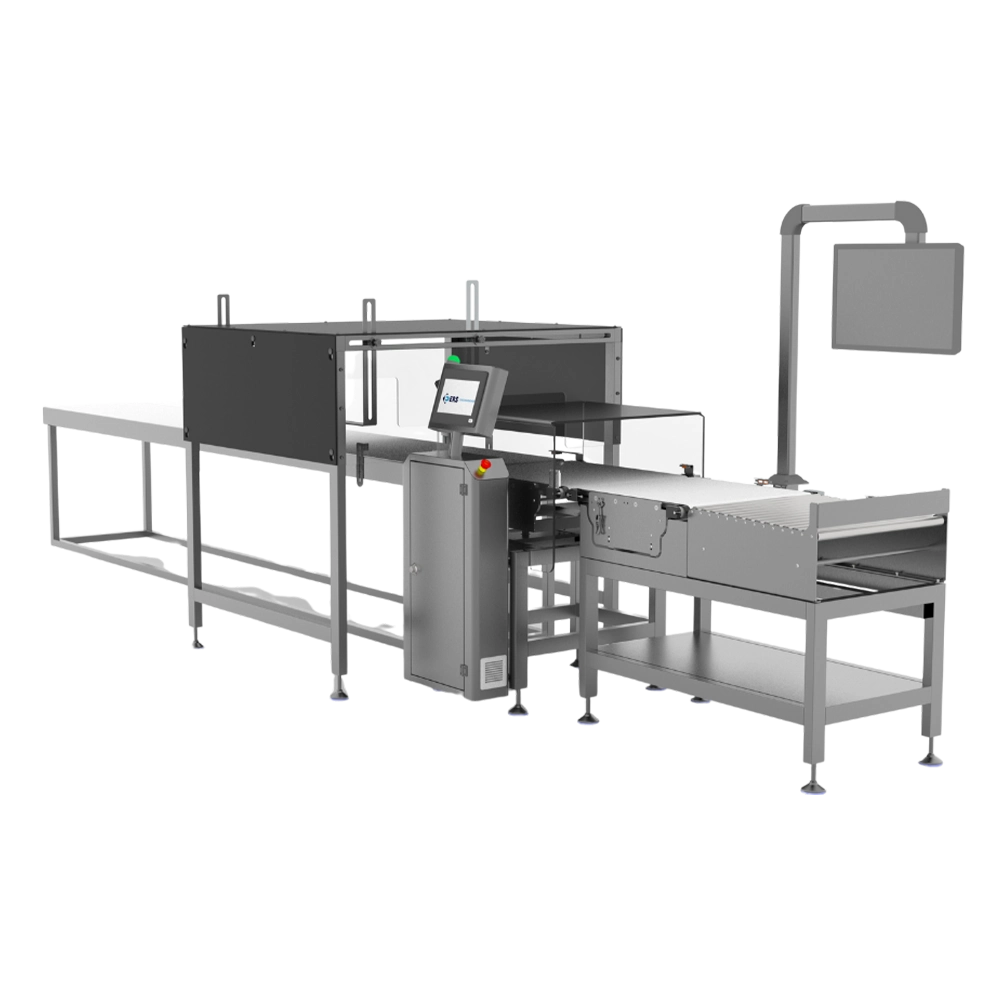
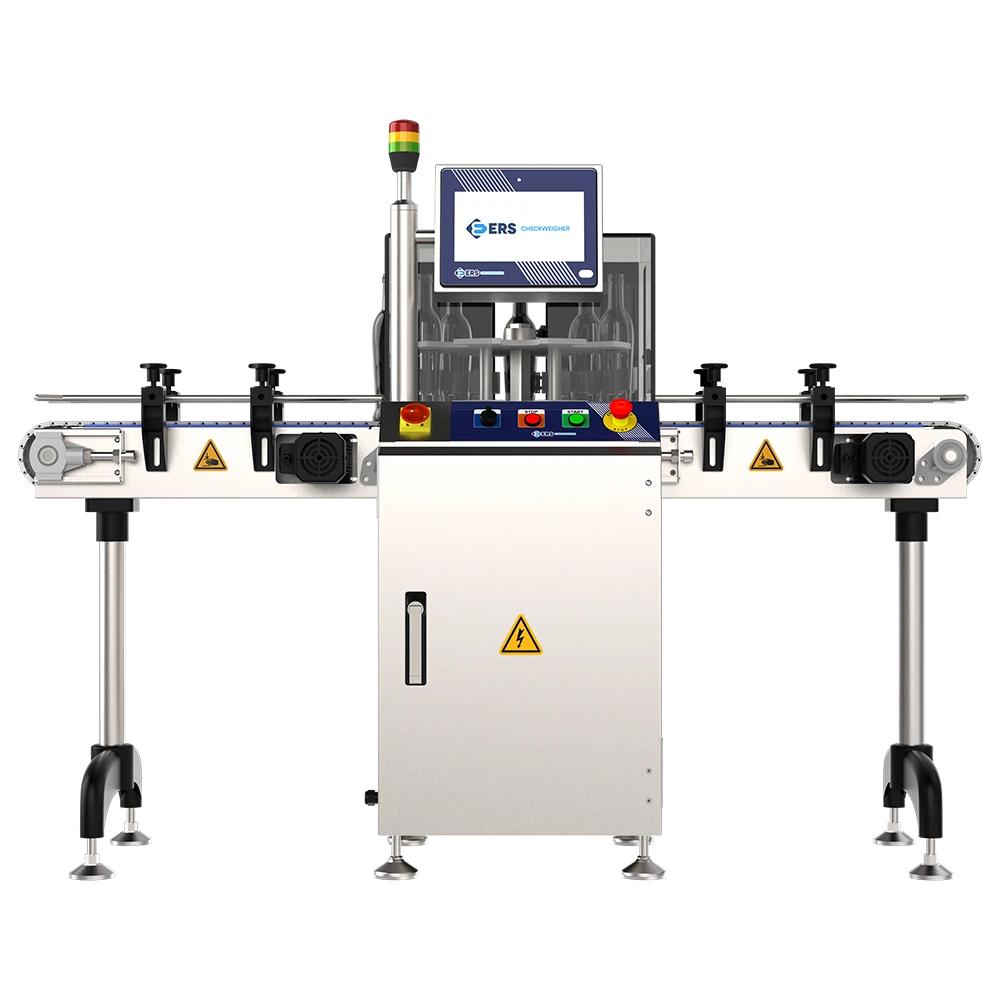
An automatic fish weighing scale for precise weight sorting is specifically developed to handle the dynamic and sensitive nature of seafood products. Fish vary in size, shape, and moisture content, making accurate measurement more challenging than in standard packaging applications.
These systems are designed to weigh each product quickly and accurately as it moves through the production line. By combining high-speed weighing technology with advanced sorting mechanisms, manufacturers can achieve precise classification without slowing down production. This ensures that each product is directed to the correct category based on its weight.
Ensuring Hygienic Processing Conditions
Hygiene is one of the most critical factors in seafood production. Fish products are highly perishable, and contamination risks must be minimized at every stage of processing. A well-designed seafood processing equipment supports hygienic operation through materials and structures that are easy to clean and maintain.
Stainless steel construction, smooth surfaces, and accessible design all contribute to better sanitation. Equipment that supports regular cleaning routines helps reduce the risk of bacterial growth and ensures compliance with food safety standards. For seafood manufacturers, maintaining hygienic conditions is not only a requirement but also a key factor in protecting product quality.
Improving Processing Efficiency and Throughput
Efficiency is essential in seafood production, where processing speed directly impacts product freshness and output levels. A reliable fish processing system helps maintain consistent throughput while minimizing delays and bottlenecks. Automated equipment reduces the need for manual handling and allows production lines to operate at higher speeds.
Efficient processing also helps reduce labor costs and improve overall productivity. By automating key steps such as cutting, sorting, and weighing, manufacturers can achieve more consistent results while maintaining high production volumes. This creates a more scalable and efficient operation.
Hygienic Design
Ensure safe seafood processing with equipment designed for easy cleaning and high sanitation standards.
Efficient Processing
Improve production speed and consistency with automated systems built for seafood manufacturing.
Accurate Portioning
Maintain consistent product size and weight with reliable cutting and weighing solutions.
Production Reliability
Support stable and continuous operation with durable equipment designed for demanding environments.
Applications of Food Checkweighers
Supporting Accurate Portioning and Weight Control
In seafood processing, accurate portioning is important for both product consistency and cost control. Whether producing fillets, portions, or packaged seafood products, maintaining consistent size and weight is essential. A well-integrated processing and weighing system helps ensure that each unit meets defined specifications.
Accurate portioning reduces product waste and improves yield. It also supports better packaging consistency, which is important for retail presentation and customer satisfaction. When combined with inline weighing systems, manufacturers can maintain tighter control over product output and reduce variability.
Minimizing Product Damage During Processing
Fish and seafood products require careful handling to preserve their structure and appearance. Rough handling or inefficient equipment can lead to product damage, affecting both quality and market value. A properly designed fish processing equipment ensures gentle product movement throughout the line.
Smooth conveyor systems, controlled cutting mechanisms, and stable handling processes all contribute to maintaining product integrity. This is particularly important for high-value seafood products where appearance and texture play a significant role in customer perception.
Integration with Packaging and Inspection Systems
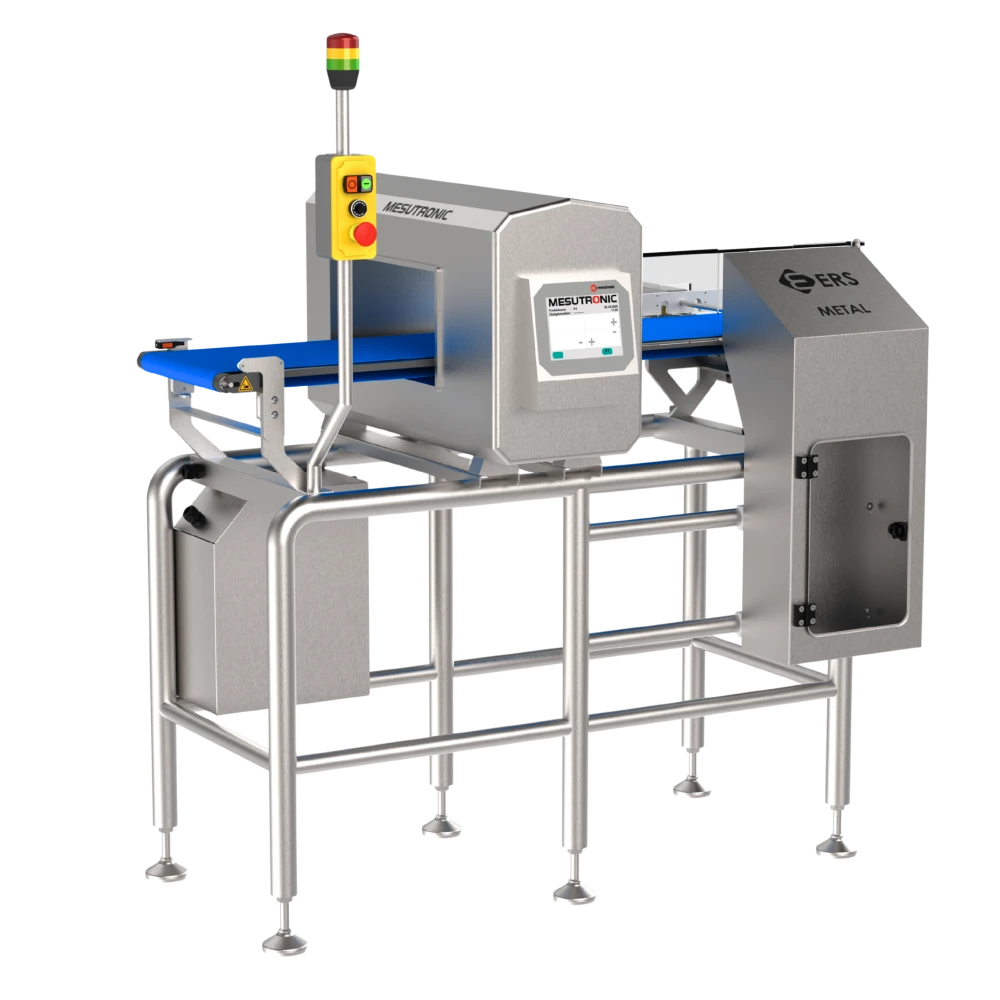
Modern seafood production lines are built around integrated systems that combine processing, inspection, and packaging. Equipment must be able to connect seamlessly with checkweighers, metal detectors, and packaging machines to create a complete production solution.
An integrated seafood production line improves efficiency and ensures that products meet quality standards before leaving the facility. Inspection systems help detect contamination or weight deviations, while packaging systems prepare products for distribution. This level of integration supports better control and more reliable output.
Adapting to Different Seafood Products
Seafood production lines often handle a variety of products, including whole fish, fillets, shellfish, and processed seafood items. Each product type has different processing requirements, which means equipment must be flexible and adaptable.
A versatile fish processing solution allows manufacturers to adjust settings and configurations based on product type. This flexibility helps businesses respond to changing market demands and expand their product range without significant changes to the production line.
Supporting Compliance and Food Safety Standards
Food safety is a top priority in seafood processing, and equipment must support compliance with industry regulations. Proper design, materials, and maintenance all contribute to meeting these standards. A reliable seafood processing equipment helps manufacturers maintain control over hygiene and product quality.
Compliance is not only important for regulatory approval but also for maintaining customer trust. By using equipment that supports safe and controlled processing, businesses can ensure that their products meet both legal and market expectations.
Enhancing Production Line Reliability
Reliable equipment is essential for maintaining consistent production output. Unexpected failures or inefficiencies can disrupt the entire processing line and affect product quality. A well-designed fish processing system supports stable operation and reduces the risk of downtime.
Regular maintenance and proper system design help ensure that equipment continues to perform under demanding conditions. This improves overall production reliability and supports long-term operational success.
Long-Term Value for Seafood Manufacturers
Investing in fish processing equipment for seafood production lines provides long-term benefits for manufacturers. Improved efficiency, better product quality, and reduced waste all contribute to stronger operational performance. Over time, these advantages help businesses remain competitive in a demanding market.
A reliable processing system supports consistent output and helps manufacturers meet growing production demands. This creates a more sustainable and scalable operation that can adapt to future challenges.
A Smarter Approach to Seafood Processing
As seafood production continues to evolve, the need for advanced and reliable processing equipment becomes more important. A well-designed system supports hygiene, efficiency, and product quality while maintaining stable production performance.
For manufacturers looking to improve their operations, a fish processing equipment for seafood production lines offers a practical and effective solution. It helps create a production environment that is more controlled, efficient, and capable of meeting modern industry requirements.
