
- Home
- Conveyor Metal Detector for Inline Metal Detection Systems
Conveyor Metal Detector Solutions
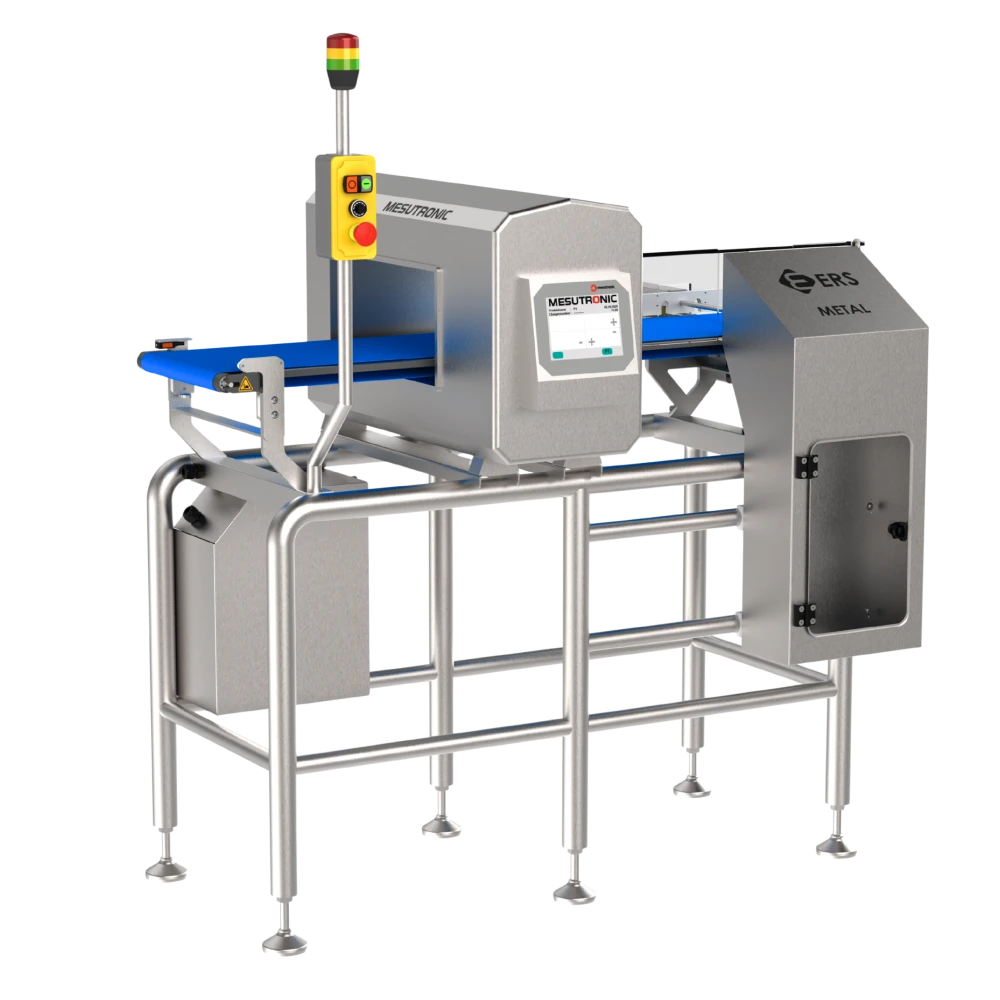
Conveyor Metal Detector
In modern production environments, contamination control is a critical part of maintaining product quality, protecting brand reputation, and supporting operational reliability. Manufacturers across food, pharmaceutical, chemical, and industrial sectors must ensure that metal contamination is identified before products move further into packaging, storage, or shipment. This is why a conveyor metal detector has become one of the most important inspection solutions on automated lines.
Unlike manual inspection methods or offline checks, an inline metal detection system works directly within the production flow. Products are inspected continuously as they move along the conveyor, allowing contamination risks to be identified in real time. This improves inspection consistency, reduces dependence on manual intervention, and helps manufacturers build a more controlled and disciplined production structure.
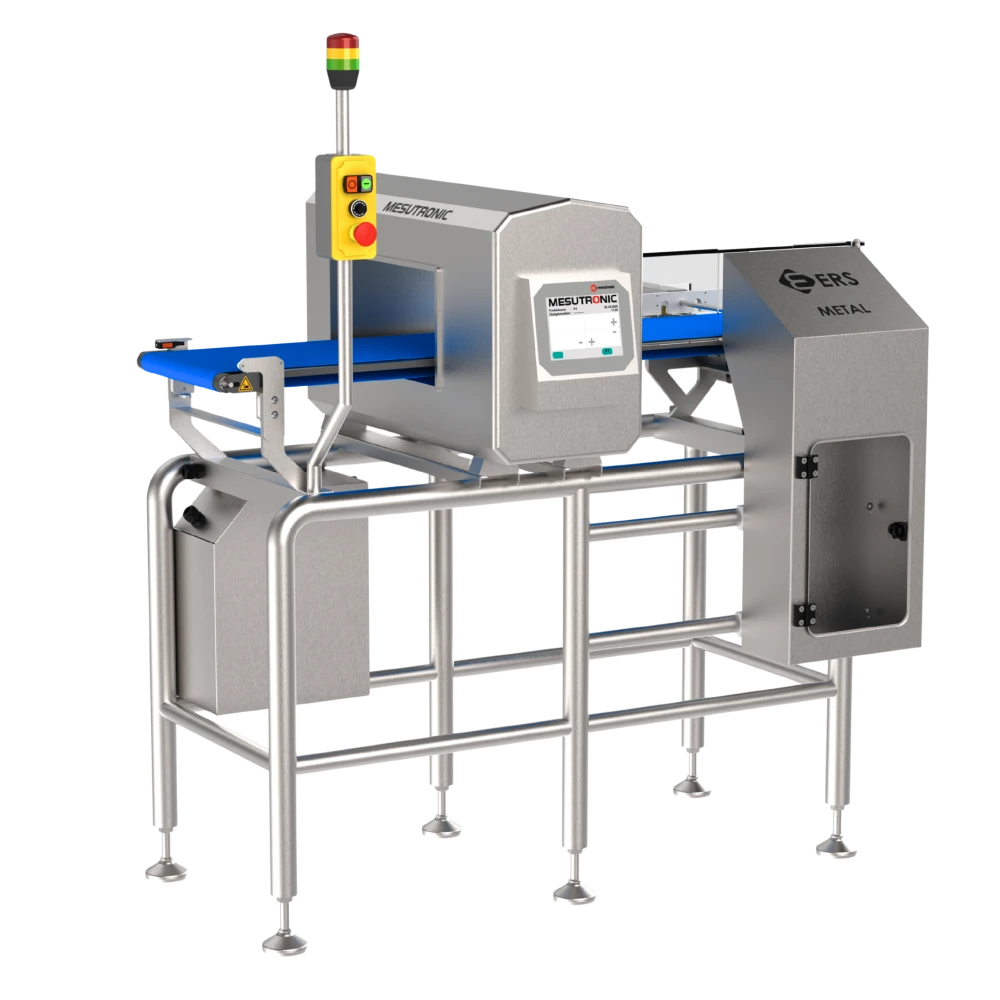
A conveyor metal detector for inline metal detection systems is specifically designed to inspect products without interrupting the natural movement of the production line. This makes it highly suitable for facilities where throughput, accuracy, and uninterrupted flow must work together. The conveyor structure ensures that products pass through the inspection zone in a stable and repeatable way, which helps improve detection reliability across a wide range of applications.


Accurate Detection of Metallic Contaminants
The core purpose of a conveyor-based detection system is to identify metallic contamination with precision and reliability. A properly configured metal detector conveyor system can detect ferrous, non-ferrous, and stainless steel contaminants depending on product type, package format, and operating conditions. This makes the system a highly practical solution for manufacturers seeking dependable protection against one of the most common contamination risks in production.
Accurate metal detection is not only about machine sensitivity. It also depends on how well the system handles product flow, line stability, and inspection consistency. A strong conveyor design helps products pass through the detector in a predictable manner, reducing variation and supporting more dependable inspection results. In demanding production environments, this combination of conveyor stability and accurate sensing is essential for maintaining a reliable contamination control process.
Supporting Real-Time Product Inspection
One of the greatest advantages of a conveyor metal detector is its ability to support real-time inspection. As products move through the line, they are scanned immediately, allowing the system to respond without delay when contamination is detected. This makes the inspection process faster, more responsive, and better aligned with modern production requirements.
Real-time detection helps manufacturers prevent contaminated products from moving further into labeling, boxing, palletizing, or final dispatch. This reduces the cost and complexity of downstream correction while improving overall line discipline. In industries where product safety and process consistency are critical, real-time inspection creates a more dependable and transparent workflow.
Improving Production Efficiency Without Interrupting Flow
A well-designed inline system should not become a bottleneck. It must perform accurate inspection while preserving the natural speed and rhythm of the production line. This is why a conveyor metal detector for inline metal detection systems is such a valuable solution in automated environments. It allows contamination inspection to take place without creating unnecessary pauses, delays, or manual handling steps.
By integrating the detector directly into the conveyor line, manufacturers can improve operational efficiency and reduce the need for separate control stages. Operators spend less time performing manual checks, and production managers gain a more stable and predictable process. Over time, this contributes to better line utilization, fewer interruptions, and a stronger balance between speed and control.
Hygiene Standards
Designed for hygienic production environments with cleanable construction and reliable inline inspection performance.
Fast Production
Supports continuous conveyor flow with real-time metal detection for efficient inspection on high-speed production lines.
Accurate Measurement
Detects ferrous, non-ferrous, and stainless steel contaminants with stable and consistent inline inspection accuracy.
Food Safety
Helps protect product quality by identifying metal contamination before products move to packaging or final shipment.
Automatic Rejection for Non-Conforming Products
In many production settings, detecting contamination is only one part of the process. The next step is ensuring that affected products are removed quickly and correctly. Conveyor-based systems are often paired with reject mechanisms that automatically remove contaminated items from the line once a metal signal is detected. This creates a more complete inspection structure in which identification and response happen as part of the same workflow.
Automatic rejection improves production discipline by ensuring that non-conforming products do not continue into downstream processes. It also reduces the need for manual sorting, which lowers labor dependency and helps prevent human error. In high-throughput environments, this combination of detection and immediate response supports cleaner production flow and stronger contamination control.
Suitable for Food and Sensitive Production Lines
A conveyor metal detector is widely used in sectors where hygiene, safety, and compliance are critical. In food processing, for example, metal contamination can create serious risks for both consumers and manufacturers. In pharmaceutical and cosmetic environments, contamination concerns can affect not only product integrity but also regulatory confidence and brand credibility. For these reasons, conveyor-based metal detection systems are often selected as a standard part of the inspection process.
In sensitive production areas, the design of the system matters as much as the detection function itself. Manufacturers often require hygienic construction, easy-clean surfaces, durable components, and stable conveyor performance to ensure that the inspection system supports both safety and operational practicality. A properly engineered inline detector helps production teams maintain these standards while preserving inspection accuracy across daily operations.
Better Control Across Automated Production Lines
A major strength of inline detection systems is their ability to function as part of a wider automated infrastructure. A conveyor metal detector for inline metal detection systems can be integrated with conveyors, reject units, packaging machines, upstream filling systems, and centralized monitoring platforms. This transforms the detector from a standalone inspection device into a connected control point within the broader production line.
This level of integration helps improve process coordination and visibility. Manufacturers can align contamination control with overall line logic, reduce communication gaps between machines, and create a more synchronized production environment. In modern automated operations, this kind of system compatibility is essential for maintaining speed, discipline, and operational efficiency.
Stronger Traceability and Process Visibility
Modern manufacturers increasingly depend on measurable production data to evaluate performance and improve quality assurance. Conveyor metal detectors contribute to this by providing clear inspection outcomes, rejection events, and system status information throughout the production process. This supports stronger traceability and helps manufacturers understand how the line is performing over time.
Improved visibility makes it easier to identify recurring contamination events, evaluate line conditions, and strengthen internal control procedures. It also supports more confident decision-making for operators, supervisors, and quality teams. In regulated industries, this level of process transparency helps reinforce audit readiness and builds greater trust in the inspection system.
Long-Term Value for Industrial Manufacturers
Choosing the right conveyor metal detector is not only about addressing immediate contamination risks. It is also about building a stronger and more reliable production structure for the future. A properly integrated system helps manufacturers improve inspection consistency, reduce manual intervention, support safer production, and maintain stable throughput under demanding conditions.
For companies seeking a dependable inline metal detection system, conveyor-based solutions offer long-term operational value through accuracy, speed, and integration. They support better contamination control while also contributing to smoother production flow, stronger line discipline, and improved quality assurance. In competitive manufacturing environments, these benefits create measurable value across both production performance and brand protection.
A Smarter Approach to Inline Contamination Control
As automated manufacturing continues to evolve, inspection systems must deliver more than simple detection. They must also support real-time response, stable integration, and practical usability within fast-moving production environments. A conveyor-based metal detection solution meets this need by combining precise inspection capability with continuous product handling and stronger operational control.
For manufacturers that want to improve contamination management without disrupting line efficiency, conveyor metal detector solutions provide a practical and scalable answer. They help create a production structure that is more controlled, more responsive, and better prepared for the demands of modern inline inspection.
