
- Home
- Checkweigher Integration for Real Time Weighing Systems
Checkweigher Integration Solutions
Checkweigher Integration
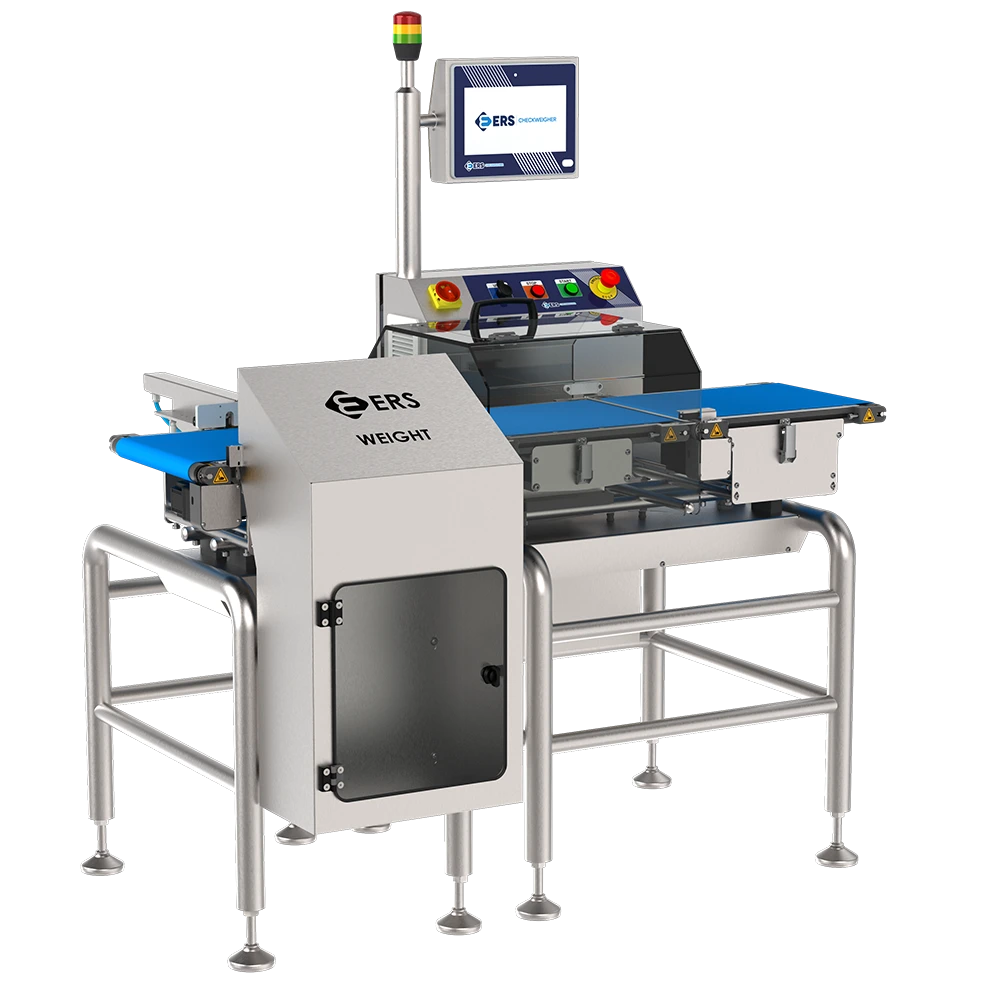
In modern manufacturing environments, speed alone is no longer enough to maintain a competitive advantage. Production lines must also deliver accuracy, consistency, and real-time process control. This is where checkweigher integration becomes especially valuable. A properly integrated system allows manufacturers to monitor product weight continuously while maintaining smooth production flow, making it easier to detect deviations and respond before they affect downstream operations.
A checkweigher that operates as part of a broader production infrastructure offers far more value than a standalone weighing device. By becoming fully connected to conveyors, rejection systems, labeling units, and monitoring platforms, the system helps manufacturers build a more intelligent and efficient line. For businesses focused on precision and process reliability, checkweigher integration for real time weighing systems creates a stronger operational foundation.
Real-time weighing systems are designed to inspect products while they are moving, allowing manufacturers to evaluate each item without interrupting the production cycle. This continuous control is essential in sectors where product weight directly affects compliance, cost management, and customer satisfaction. A well-integrated checkweigher ensures that each product is checked against predefined tolerances instantly, helping production teams maintain tighter control over packaging quality.
Unlike manual inspection methods or periodic sample checks, real-time weighing provides uninterrupted visibility throughout the line. This reduces the risk of unnoticed errors and supports faster corrective action. When weight deviations are detected immediately, manufacturers can prevent non-conforming products from moving further into packaging, storage, or distribution. As a result, process reliability improves and operational waste is reduced.


Why Checkweigher Integration Matters
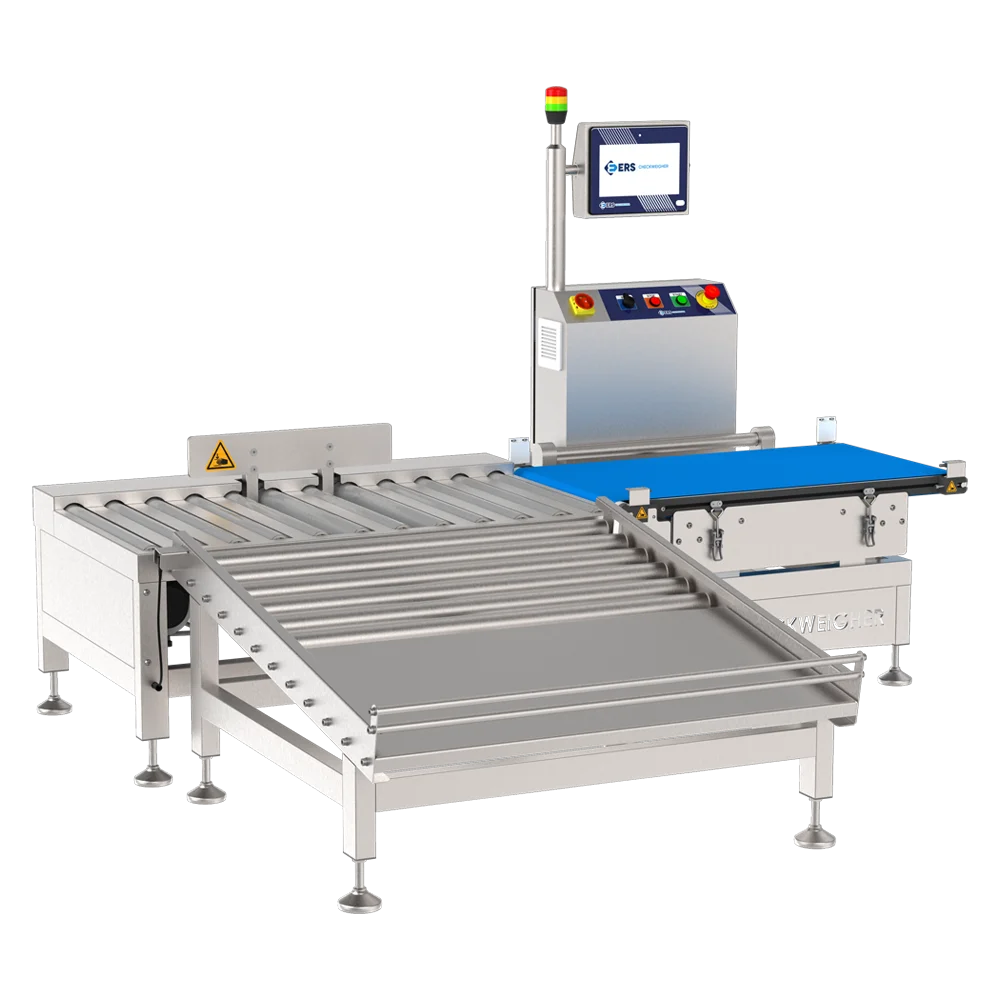
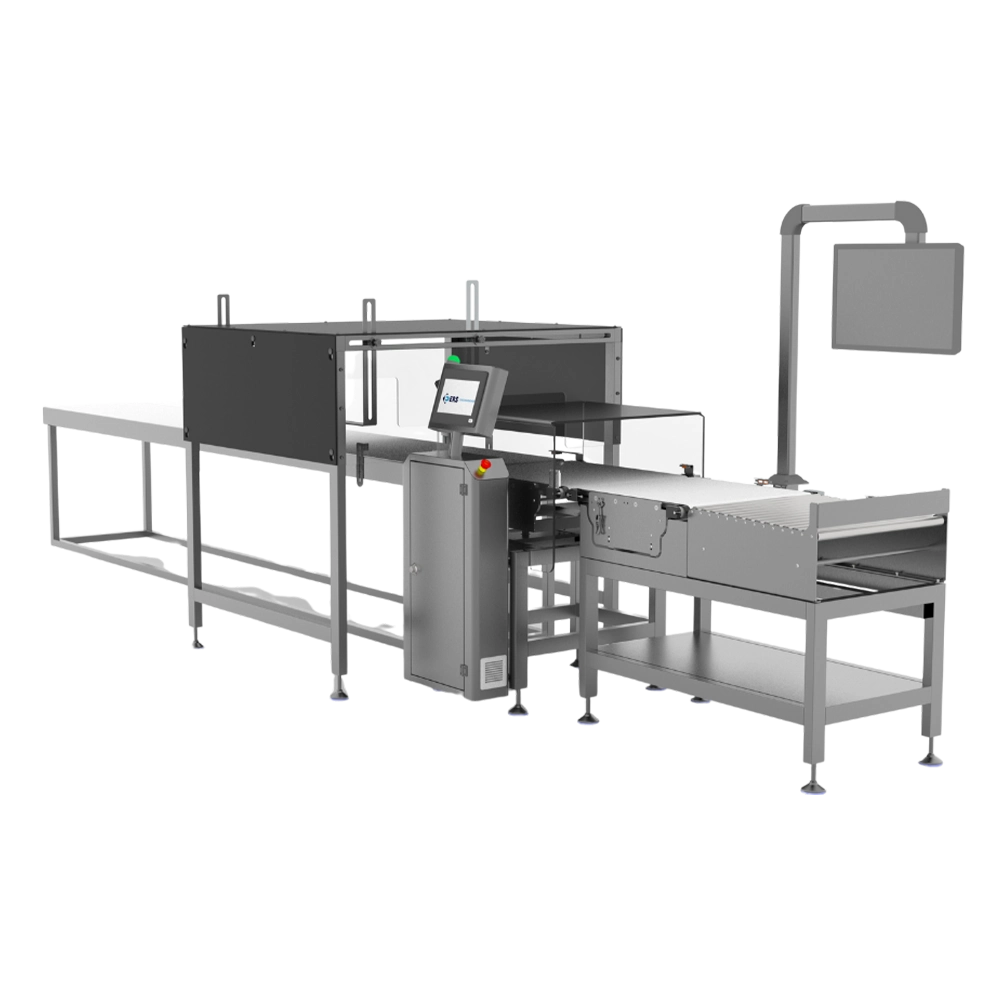
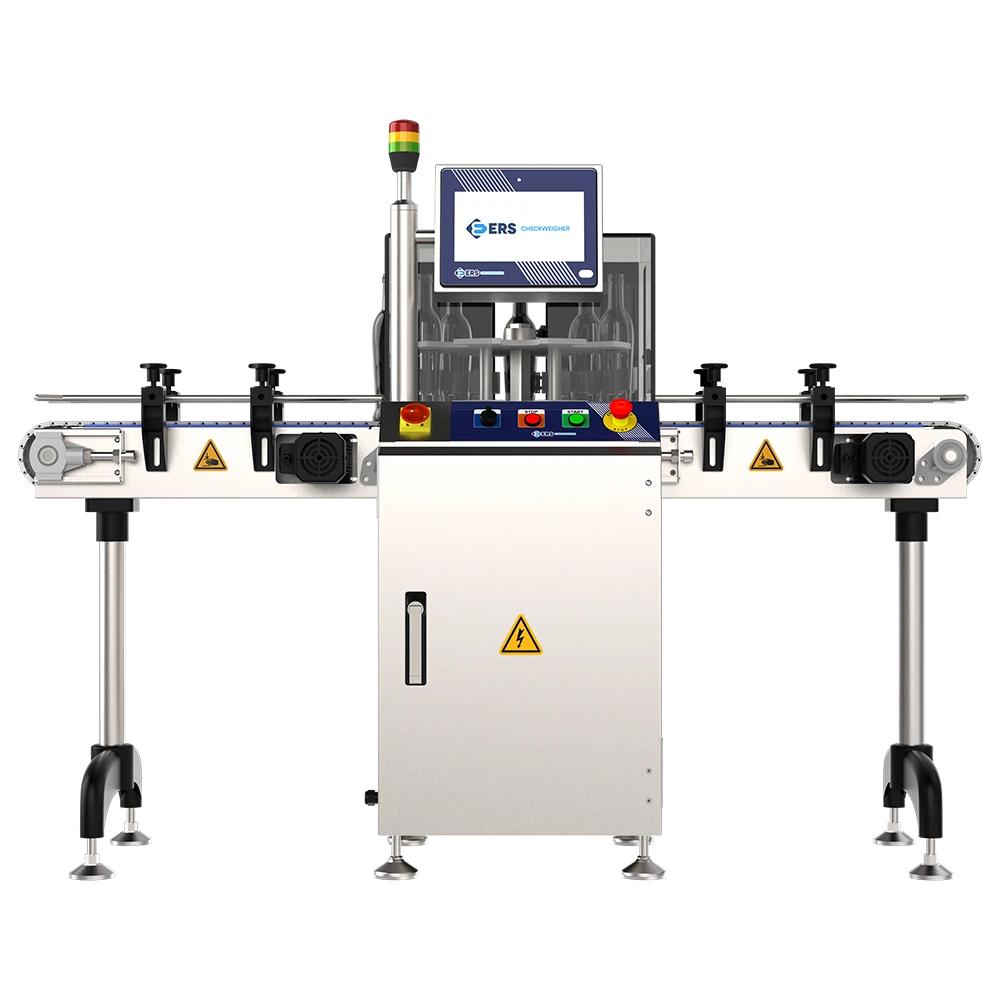
The real benefit of checkweigher technology is fully realized when the system is integrated into the wider production environment. On its own, a checkweigher can identify products that fall outside the required weight range. However, when integrated with other line components, it becomes part of a coordinated control structure that improves overall efficiency and responsiveness.
For example, integrated systems can communicate directly with automatic reject units to remove non-compliant products without delaying throughput. They can also work alongside labeling equipment, barcode readers, and production tracking software to support a more synchronized packaging process. This kind of integration reduces manual intervention, improves process transparency, and strengthens line discipline in demanding manufacturing conditions.
Improving Accuracy Across Automated Systems
Accuracy is one of the main reasons manufacturers invest in advanced weighing technology. Even minor deviations can create serious consequences in high-volume operations, especially where underweight products, overfilled packs, or inconsistent packaging can lead to regulatory concerns or hidden financial losses. Checkweigher integration helps improve accuracy by making weight inspection a permanent and responsive part of the production line.
A real time weighing system that is properly integrated into automated operations supports stable product handling, better synchronization between line components, and more reliable data collection. This allows manufacturers to maintain closer control over target weights and improve consistency across batches. Over time, these improvements contribute to higher product quality and a more predictable production environment.
Reducing Waste and Product Giveaway
Another major benefit of checkweigher integration for real time weighing systems is improved control over product giveaway. Many manufacturers deliberately overfill packages to avoid the risk of falling below target weight. While this approach may reduce short-term compliance concerns, it often leads to unnecessary material loss over time. A well-integrated weighing system helps maintain tighter control over actual product weight, allowing businesses to stay closer to the desired target.
This reduces waste, improves cost efficiency, and supports more disciplined production planning. In high-output environments, even a small reduction in overfill can lead to meaningful savings across long production periods. By combining real-time inspection with automated response, integrated checkweigher systems help manufacturers protect both product quality and profitability.
Hygiene Standards
Machines are designed in accordance with food safety and according to international hygiene rules.
Fast Production
It provides efficiency in the production line with high speed weighing and control.
Accurate Measurement
MID certified precision delivers results that are spot on, every time.
Food Safety
Safe production processes with special designs that prevent contamination.
Supporting Faster and Smarter Production Flow
One of the most practical advantages of integration is its ability to support faster and smarter line performance. In modern factories, each machine on the line must work in coordination with the others. If a weighing system is disconnected from the broader workflow, it can create delays, data gaps, or unnecessary manual involvement. An integrated checkweigher helps avoid these problems by operating in direct coordination with the rest of the packaging and inspection process.
This creates a smoother production flow in which products can be weighed, verified, and directed automatically according to the system logic. Operators gain a more streamlined process, while managers benefit from clearer line visibility and better performance data. In high-speed environments, this kind of operational coordination is essential for maintaining both efficiency and quality standards at the same time.
Reducing Waste and Product Giveaway
Another major benefit of checkweigher integration for real time weighing systems is improved control over product giveaway. Many manufacturers deliberately overfill packages to avoid the risk of falling below target weight. While this approach may reduce short-term compliance concerns, it often leads to unnecessary material loss over time. A well-integrated weighing system helps maintain tighter control over actual product weight, allowing businesses to stay closer to the desired target.
This reduces waste, improves cost efficiency, and supports more disciplined production planning. In high-output environments, even a small reduction in overfill can lead to meaningful savings across long production periods. By combining real-time inspection with automated response, integrated checkweigher systems help manufacturers protect both product quality and profitability.
Better Data, Traceability, and Process Visibility
Modern manufacturers depend on data to make faster and more accurate decisions. Integrated checkweigher systems contribute to this by generating measurable information about product conformity, rejection rates, and overall line performance. This data can be used to identify recurring issues, evaluate production trends, and improve line settings over time.
Traceability also becomes stronger when weighing systems are connected to broader production controls. Quality assurance teams can monitor inspection results more effectively, while managers gain better insight into how the line is performing under different operating conditions. In regulated industries, this level of process visibility supports stronger documentation, better audit readiness, and more confidence in internal quality procedures.
Integration with Inspection and Packaging Technologies
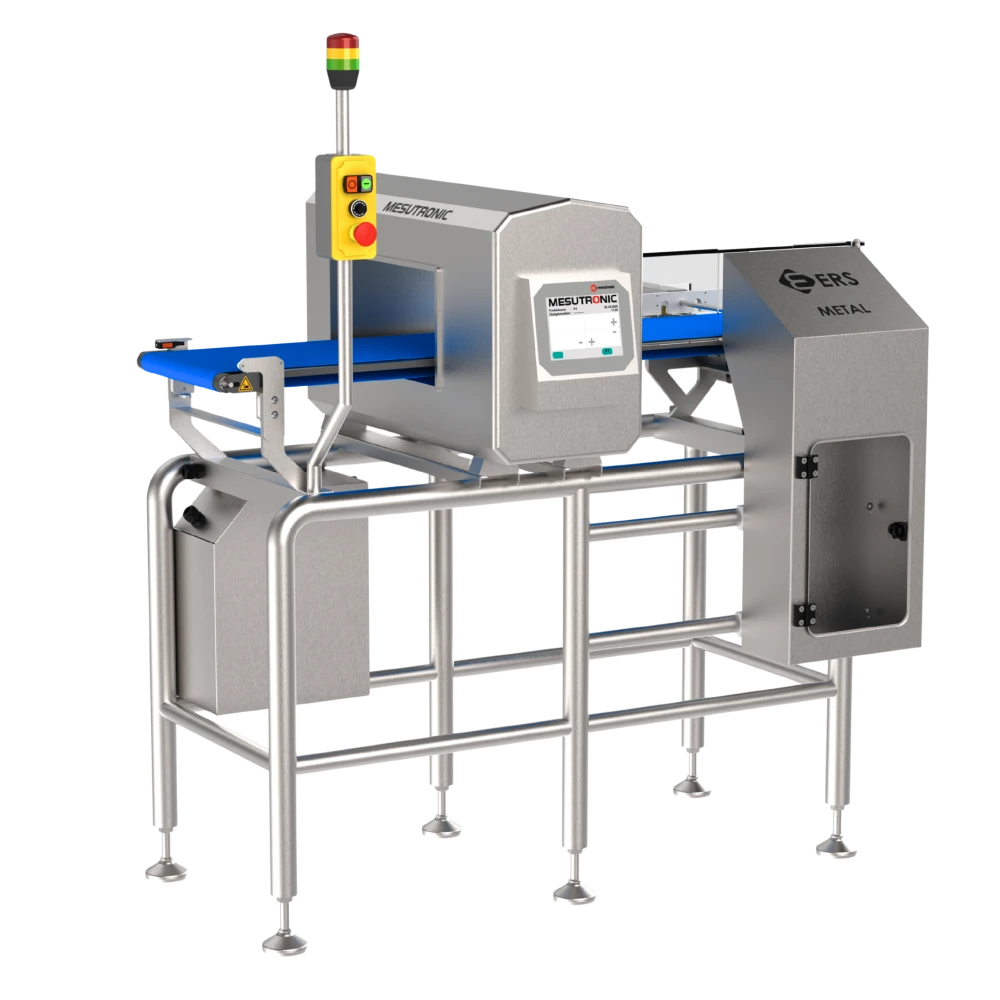
Checkweigher integration becomes even more valuable when combined with additional inspection and packaging technologies. In advanced production environments, the system may work together with metal detectors, vision inspection units, barcode verification tools, labeling machines, and automated rejection devices. This creates a more connected control architecture in which multiple inspection points contribute to a single, coordinated workflow.
By linking weight verification with other control functions, manufacturers can create a more responsive and efficient packaging system. Instead of treating each inspection process separately, the line operates as a unified structure where quality, speed, and compliance support each other. This not only improves operational stability but also helps businesses scale their production with greater confidence.
Long-Term Value for Industrial Manufacturers
Choosing the right integration strategy is not only about solving today’s production challenges. It is also about preparing the line for long-term performance, scalability, and operational consistency. A well-integrated checkweigher system helps manufacturers improve accuracy, reduce waste, support compliance, and strengthen the coordination of automated equipment throughout the production process.
For companies investing in smarter manufacturing infrastructure, checkweigher integration for real time weighing systems offers lasting value. It supports better control over packaging quality, stronger visibility across the line, and more efficient use of both materials and machine capacity. In competitive production sectors, these advantages contribute directly to stronger performance and more reliable output.
Building a More Controlled Production Future
As manufacturing systems become faster and more connected, the need for accurate and intelligent inline control continues to grow. Checkweigher integration is no longer just a technical improvement. It is a strategic component of modern production planning. By combining real-time weighing accuracy with seamless system communication, manufacturers can build a line that is more responsive, more transparent, and more dependable.
