
- Home
- CEIA Metal Detector for Food and Pharmaceutical Inspection
CEIA Metal Detector Solutions
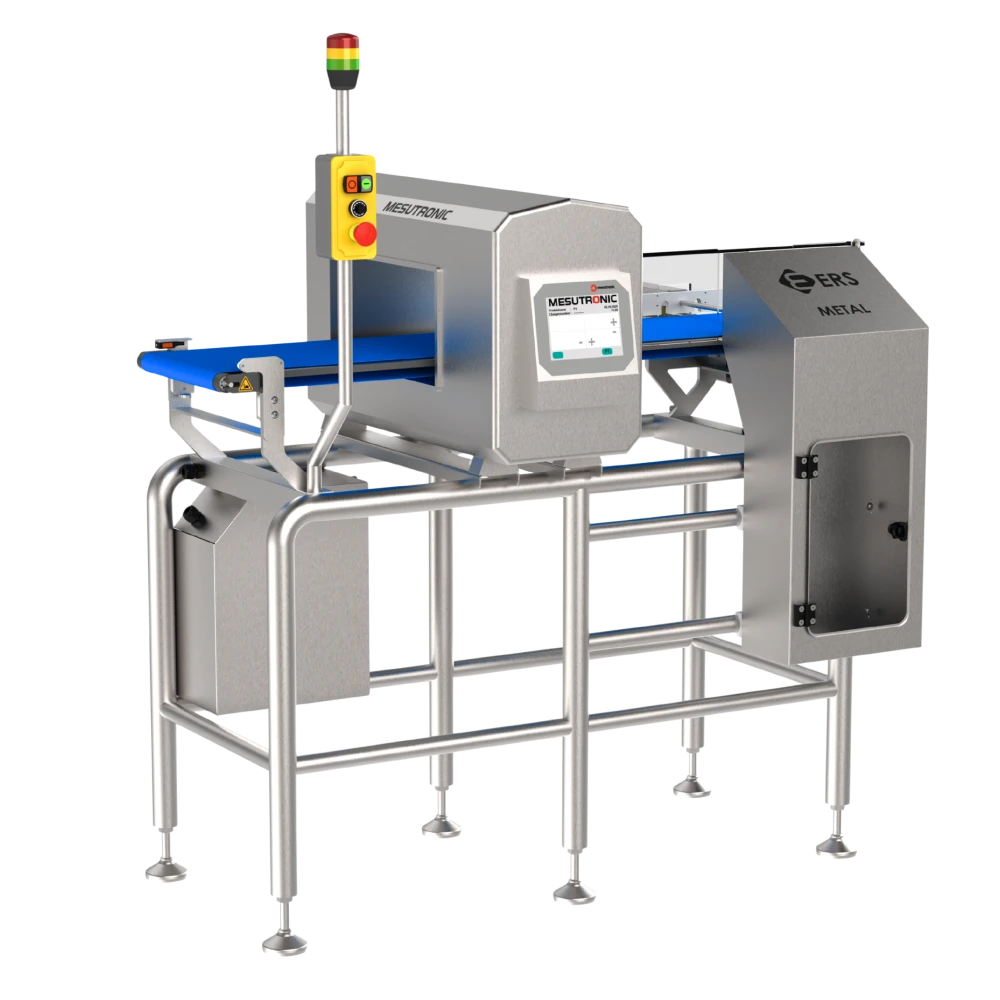
CEIA Metal Detector
In highly controlled production environments, inspection systems must deliver more than basic contaminant detection. They must support product safety, process stability, operator confidence, and regulatory discipline at the same time. This is why a CEIA metal detector is a strong solution for manufacturers operating in food and pharmaceutical sectors. In these industries, even a minor contamination issue can lead to product rejection, compliance concerns, operational loss, and serious reputational damage. A reliable inspection system helps reduce these risks by ensuring that products are checked accurately before they move further along the line.
For both food and pharmaceutical producers, inspection is not treated as an optional quality step. It is part of the core production structure. A detector used in these environments must provide stable performance, support efficient integration, and work consistently under demanding processing conditions. This is where CEIA-based inspection systems become particularly relevant, offering a dependable solution for contamination control across sensitive and regulated manufacturing lines.
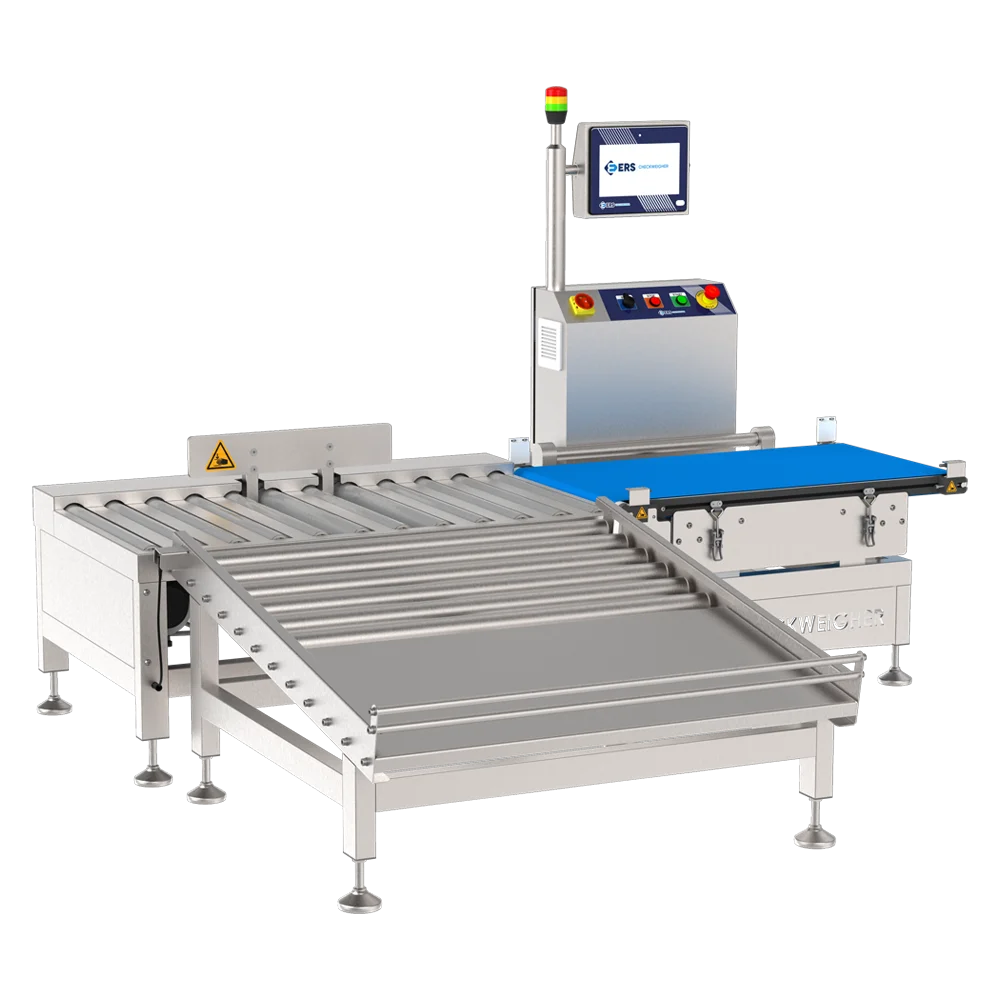
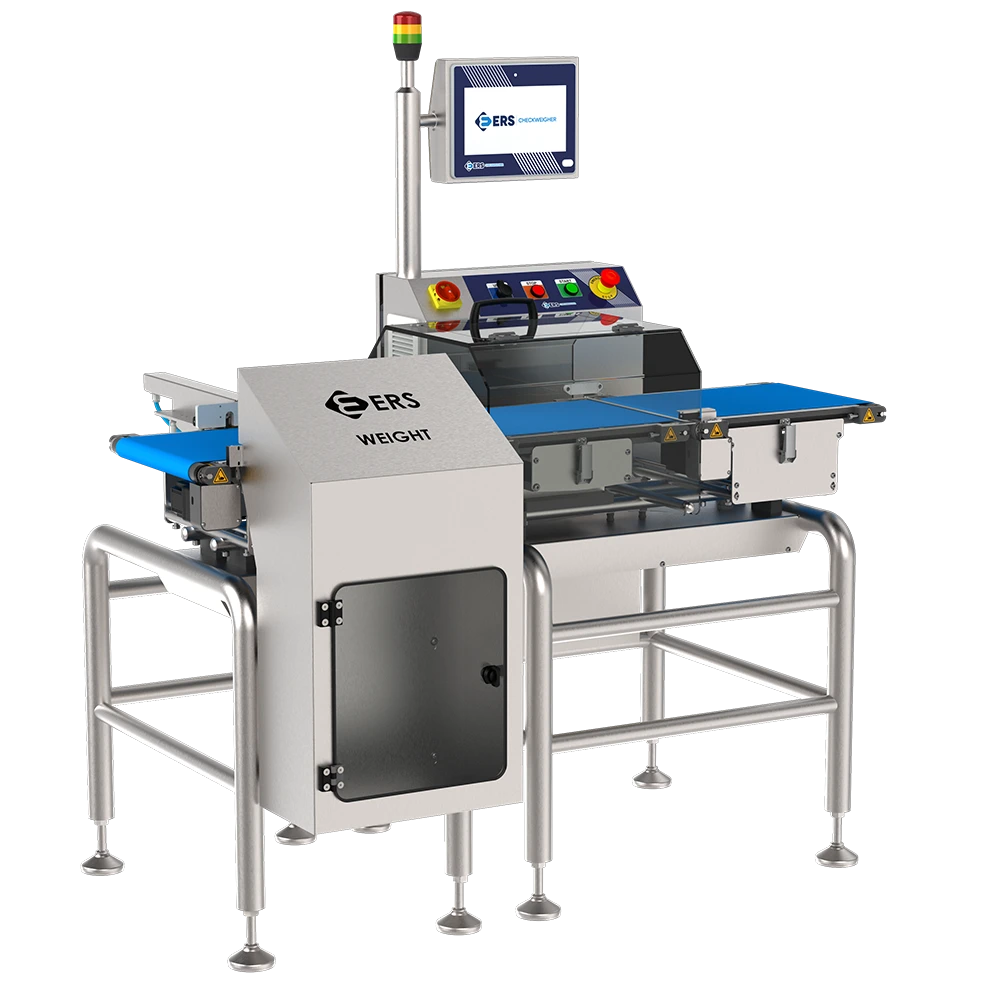
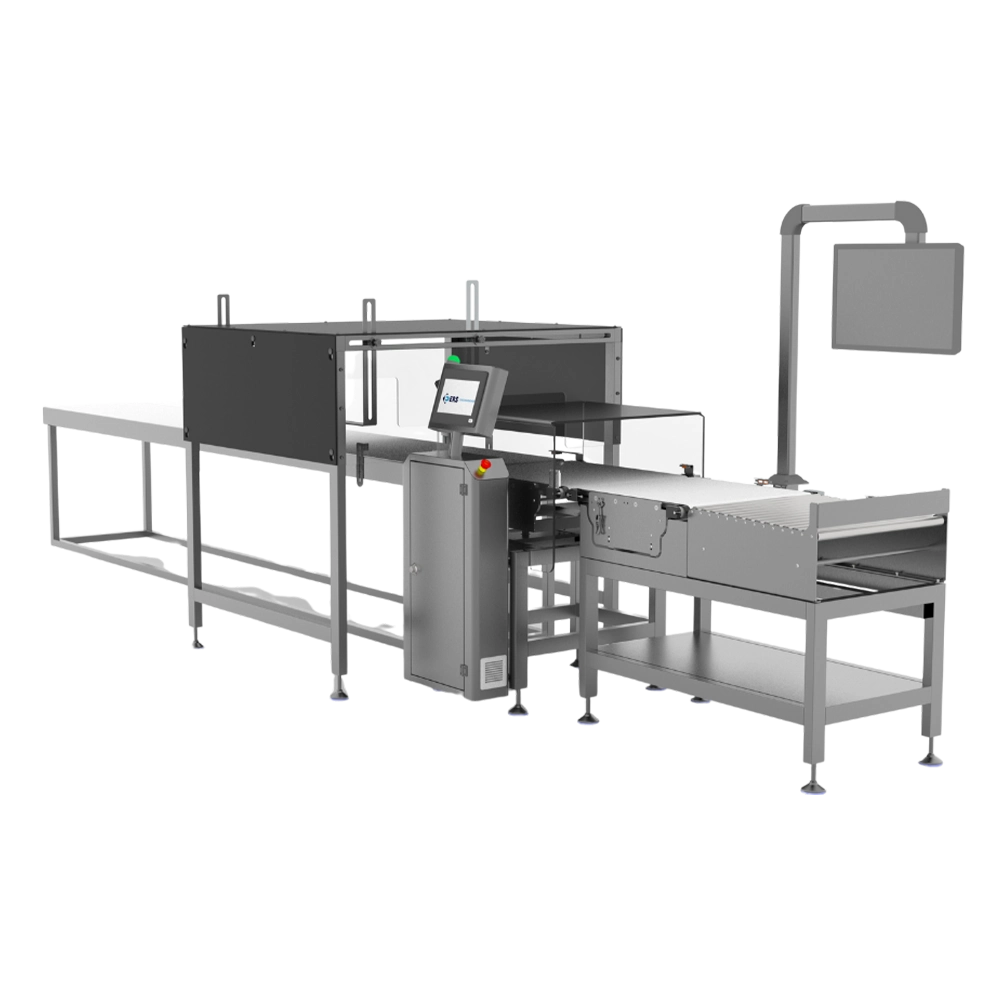

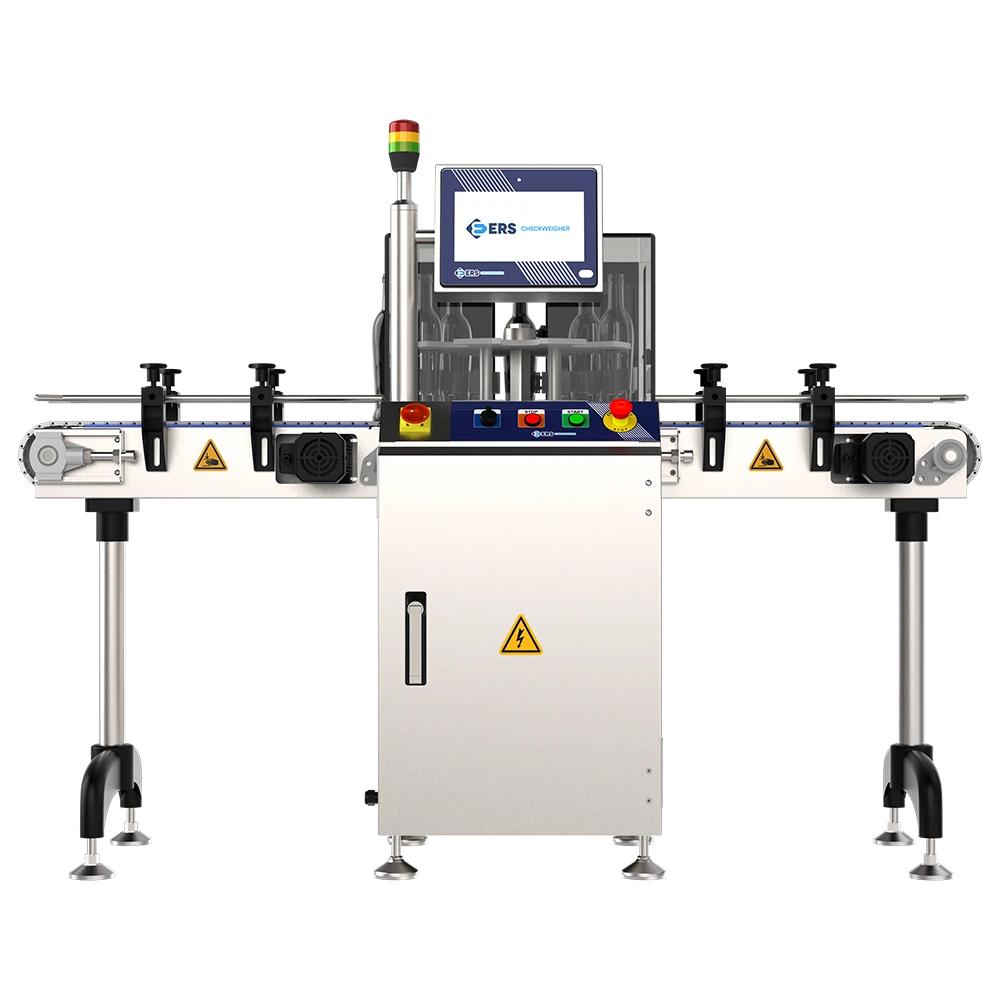

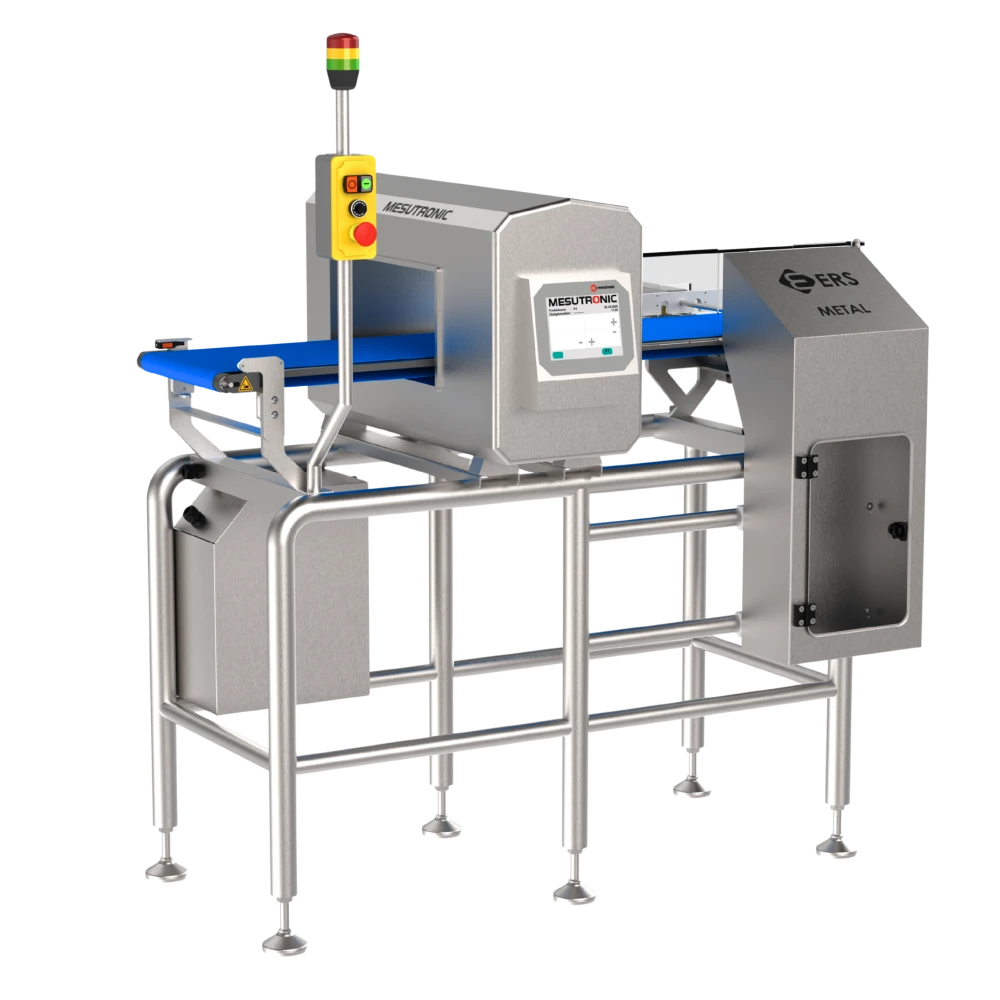
Designed for Food and Pharmaceutical Inspection Applications
A CEIA metal detector for food and pharmaceutical inspection is well suited to production environments where accuracy, hygiene, and repeatable inspection standards are essential. In food manufacturing, the detector helps identify metallic contaminants before products reach final packaging, shipment, or retail distribution. In pharmaceutical production, it supports inspection integrity by helping ensure that tablets, capsules, powders, sachets, and packaged medical products meet internal and external quality requirements.
These two industries may differ in product form and operational detail, but they share the same fundamental need for dependable contamination control. A well-configured detector helps maintain that control by operating as part of the inline process rather than as a separate manual checkpoint. This allows manufacturers to inspect products continuously while preserving line efficiency and improving confidence in production output.
Accurate Detection for Sensitive Products
The primary function of a metal detector system is to identify metallic contaminants with precision and consistency. In food and pharmaceutical applications, this usually means detecting ferrous, non-ferrous, and stainless steel contaminants before products proceed to the next production stage. Detection accuracy is especially important in these sectors because the consequences of contamination extend far beyond waste alone. They can affect product safety, legal compliance, consumer trust, and long-term brand protection.
A reliable CEIA metal detector supports accurate inspection by combining strong detection sensitivity with stable product handling conditions. This helps manufacturers maintain a more controlled inspection environment and reduce the likelihood of missed contaminants or unnecessary false rejects. In sensitive production areas, that balance is essential. Too little sensitivity weakens protection, while unstable inspection logic can affect productivity and process confidence.
Hygienic Design for Food and Pharma Environments
In both food and pharmaceutical production, machine design is closely connected to inspection suitability. A detector used in these environments must support cleanability, durability, and daily operational practicality. This is why hygienic system construction is such an important part of food and pharmaceutical inspection. A well-designed inspection system helps reduce residue buildup, supports routine sanitation procedures, and contributes to safer production conditions across the line.
For food manufacturers, hygienic construction helps maintain cleaner handling environments and supports broader food safety expectations. For pharmaceutical companies, practical and controlled system design contributes to cleaner production zones and more consistent line discipline. In both cases, the inspection stage must align with the operational standards of the facility rather than work against them. A detector that supports hygiene as well as performance provides stronger long-term value.
Hygiene Standards
Designed for hygienic food and pharmaceutical environments with cleanable construction and reliable inspection performance.
Fast Production
Supports continuous production flow with stable metal detection and efficient inline inspection across regulated processing lines.
Accurate Measurement
Detects ferrous, non-ferrous, and stainless steel contaminants with dependable sensitivity for food and pharmaceutical applications.
Food Safety
Helps protect product integrity by identifying metal contamination before final packaging, sealing, or distribution.
Supporting Continuous Inline Inspection
One of the major advantages of using a CEIA metal detector for food and pharmaceutical inspection is its ability to operate continuously within automated production flow. Products can be inspected in motion, allowing manufacturers to maintain contamination control without slowing the line or relying on separate manual inspection stages. This is especially important in facilities where speed, consistency, and compliance must function together.
Continuous inline inspection creates a more disciplined workflow because every product is checked under the same inspection logic. This improves process reliability and reduces the risk of contaminated products moving unnoticed into downstream stages such as sealing, cartoning, labeling, or final distribution. In regulated industries, this level of consistency helps strengthen both quality assurance and operational efficiency.
Better Process Control on Automated Lines
Automated food and pharmaceutical lines require synchronized equipment that can operate as part of a broader process architecture. A detector that functions well in isolation is not enough. It must also align with conveyors, reject systems, packaging machines, and production monitoring structures. This is where a well-integrated CEIA metal detector provides additional operational value.
When properly installed within the line, the detector supports smoother inspection flow and more transparent process control. Production teams can monitor inspection performance more clearly, respond faster to abnormal events, and maintain better coordination between contamination control and packaging operations. This kind of process visibility becomes particularly important when production volumes are high and inspection reliability must remain stable across long operating cycles.
Automatic Rejection and Immediate Response
Detection alone does not complete the inspection process. Once contamination is identified, the system must also support a reliable corrective response. Many food and pharmaceutical inspection lines use reject mechanisms that automatically remove contaminated or non-conforming products after a detection event. This helps prevent affected items from continuing into later production stages and reduces the need for manual intervention.
Automatic rejection strengthens production discipline because the response to contamination is immediate and standardized. Instead of depending on delayed handling or manual sorting, the system resolves the issue directly at the point of inspection. This supports a cleaner workflow, reduces operator burden, and helps manufacturers maintain stronger control over line integrity. In regulated sectors, that type of consistency is essential for both safety and documentation confidence.
Reducing Risk in Food Production
In food processing, contamination control is directly connected to consumer protection and brand reputation. A CEIA metal detector helps reduce risk by creating an effective inspection barrier before food products move to final packaging or shipment. Whether the line handles bakery goods, dairy products, snacks, frozen foods, powders, or packaged meals, metal detection helps identify one of the most common and serious contamination types in the industry.
This not only strengthens safety procedures but also supports more reliable production management. When contamination is found early, the cost of downstream correction is reduced and the likelihood of wider product impact becomes lower. Over time, this helps manufacturers maintain better control over product quality and reduce the operational consequences of contamination-related events.
Supporting Inspection Integrity in Pharmaceutical Production
In pharmaceutical manufacturing, inspection accuracy must support a highly disciplined process structure. Tablets, capsules, blister packs, powders, and medical packaging formats all require dependable control to ensure that contamination risks are managed before products move forward. A pharmaceutical metal detector helps support this requirement by creating a more stable and verifiable inspection stage within the line.
In these environments, even small deviations can create significant quality concerns. For that reason, detection systems must offer both sensitivity and repeatability. A properly configured detector helps pharmaceutical manufacturers strengthen inspection integrity, improve process transparency, and support internal quality assurance procedures with greater confidence. This makes metal detection a meaningful part of long-term process control rather than a simple machine-level function.
Improved Visibility and Quality Assurance
Modern production environments depend on measurable information to maintain control and improve decision-making. A detector used on food and pharmaceutical lines contributes to this by providing clearer insight into system activity, inspection outcomes, and rejection events. This helps operators, supervisors, and quality teams evaluate line behavior more effectively and respond faster when conditions change.
Better visibility leads to stronger quality assurance because inspection results are easier to monitor, understand, and act on. It also helps manufacturers identify recurring issues, strengthen internal procedures, and build more confidence in inspection performance over time. In sectors where documentation and compliance standards matter, this type of visibility supports a more structured and accountable production system.
Long-Term Value for Regulated Manufacturers
Choosing the right CEIA metal detector is not only about solving an immediate inspection need. It is also about building a stronger foundation for long-term safety, quality control, and process reliability. A well-integrated system helps manufacturers reduce contamination risk, improve inspection consistency, support cleaner production, and maintain stable throughput in sensitive operating environments.
For food and pharmaceutical businesses, these advantages create measurable operational value. They improve product protection, strengthen internal control, and support higher confidence across the production line. Over time, a dependable detection system contributes not only to better inspection results, but also to stronger customer trust, better audit readiness, and more stable manufacturing performance.
A Smarter Approach to Food and Pharmaceutical Inspection
As food and pharmaceutical lines become more automated and more quality-driven, inspection systems must deliver accuracy, usability, and stable integration in equal measure. A CEIA metal detector for food and pharmaceutical inspection supports this need by combining reliable contaminant detection with hygienic suitability, inline efficiency, and stronger process control.
For manufacturers seeking a practical and dependable inspection solution, CEIA-based metal detection offers a strong path forward. It helps create a production structure that is safer, more controlled, and better prepared for the demands of modern regulated manufacturing.
