
- Home
- Buy Fish Sorting Machine with Price and System Options
Fish Sorting Machine Solutions

Why Choosing the Right Fish Sorting Machine Matters
In seafood processing operations, accuracy and consistency are essential for maintaining product quality and meeting market standards. A fish sorting machine is not just a piece of equipment but a critical system that directly impacts production efficiency and product value. Choosing the right solution ensures that fish are graded correctly based on weight or size while maintaining a smooth and continuous production flow.
As production volumes increase, manual sorting methods become inefficient and inconsistent. Automated systems provide a reliable alternative, helping manufacturers achieve precise classification with minimal human intervention.


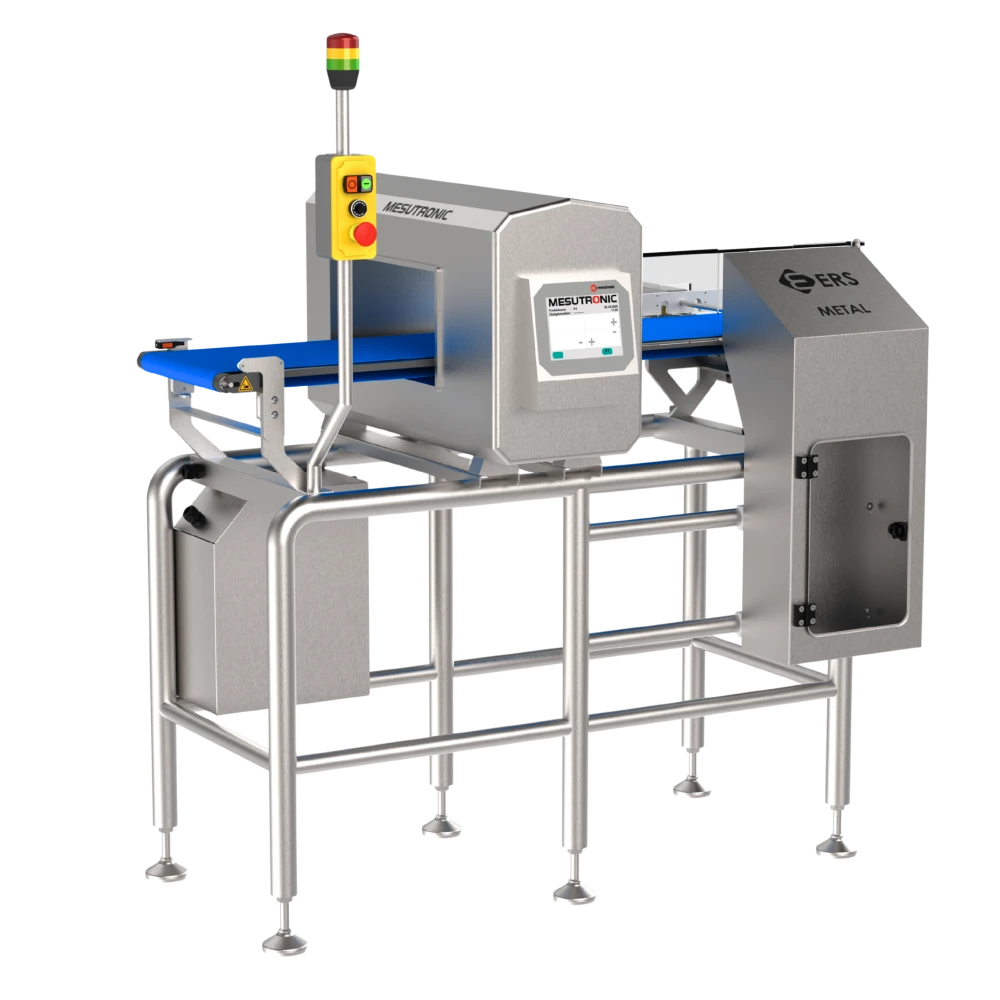
Understanding Fish Sorting Machine Price
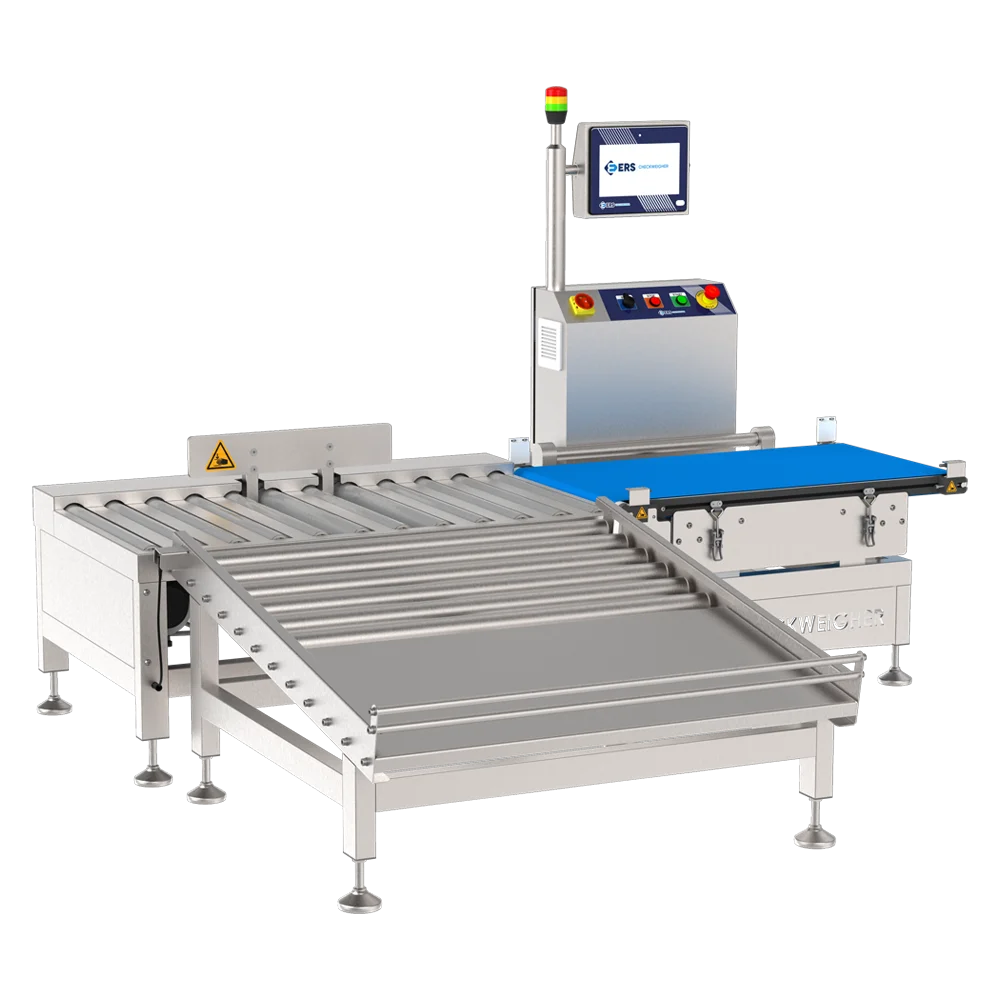
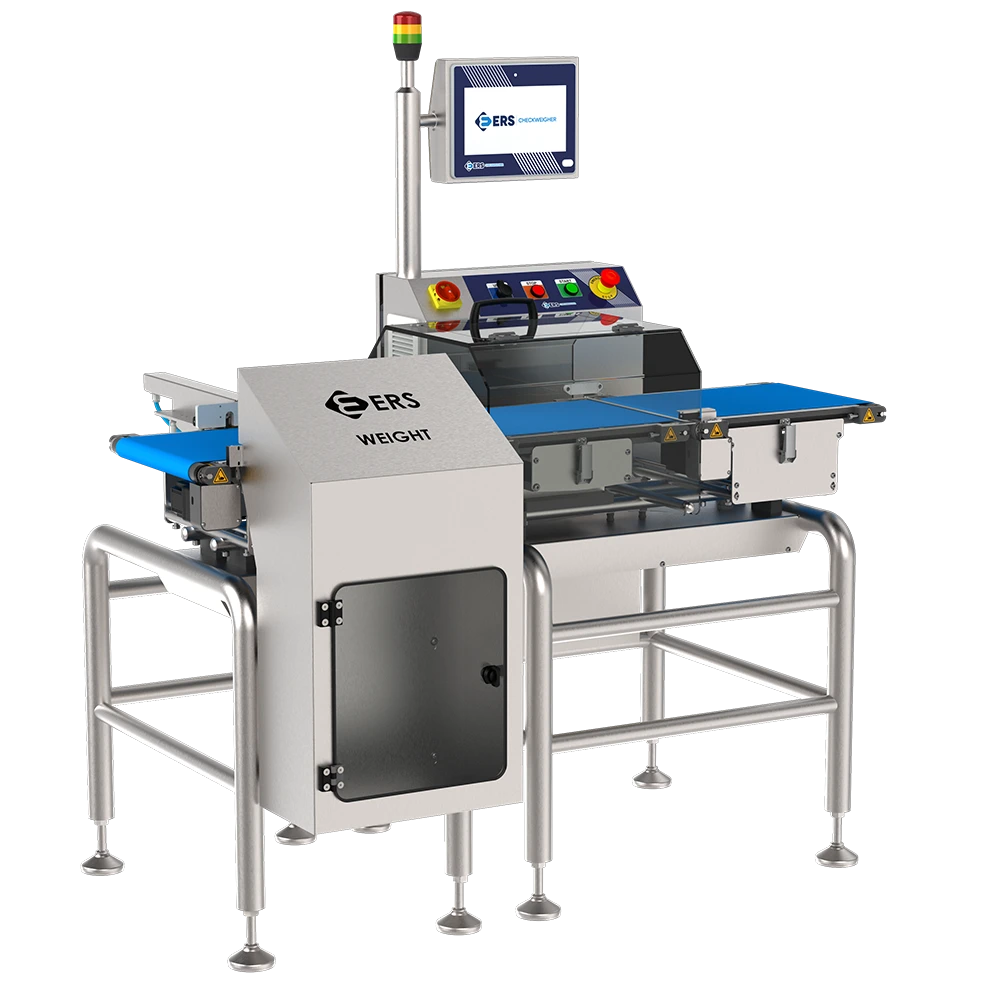
The cost of a sorting system can vary depending on multiple technical and operational factors. A fish sorting machine price is typically influenced by system capacity, sorting accuracy, and level of automation. For example, machines designed for higher precision and faster processing speeds require more advanced technology, which affects overall cost.
In addition, system configuration plays an important role. Multi-lane grading systems with multiple output channels are generally more expensive than single-lane units. The materials used in construction, especially stainless steel designs for hygienic environments, can also impact pricing.
Entry-Level vs Industrial Sorting Systems
A fish sorting machine can be categorized into entry-level and industrial-grade systems depending on production requirements. Entry-level machines are suitable for small to medium operations where moderate throughput and basic sorting accuracy are sufficient.
Industrial systems, on the other hand, are designed for high-capacity production lines. These machines offer advanced features such as real-time weighing, automated distribution, and continuous operation. While the initial investment is higher, they provide greater efficiency and long-term value.
System Options for Different Production Needs
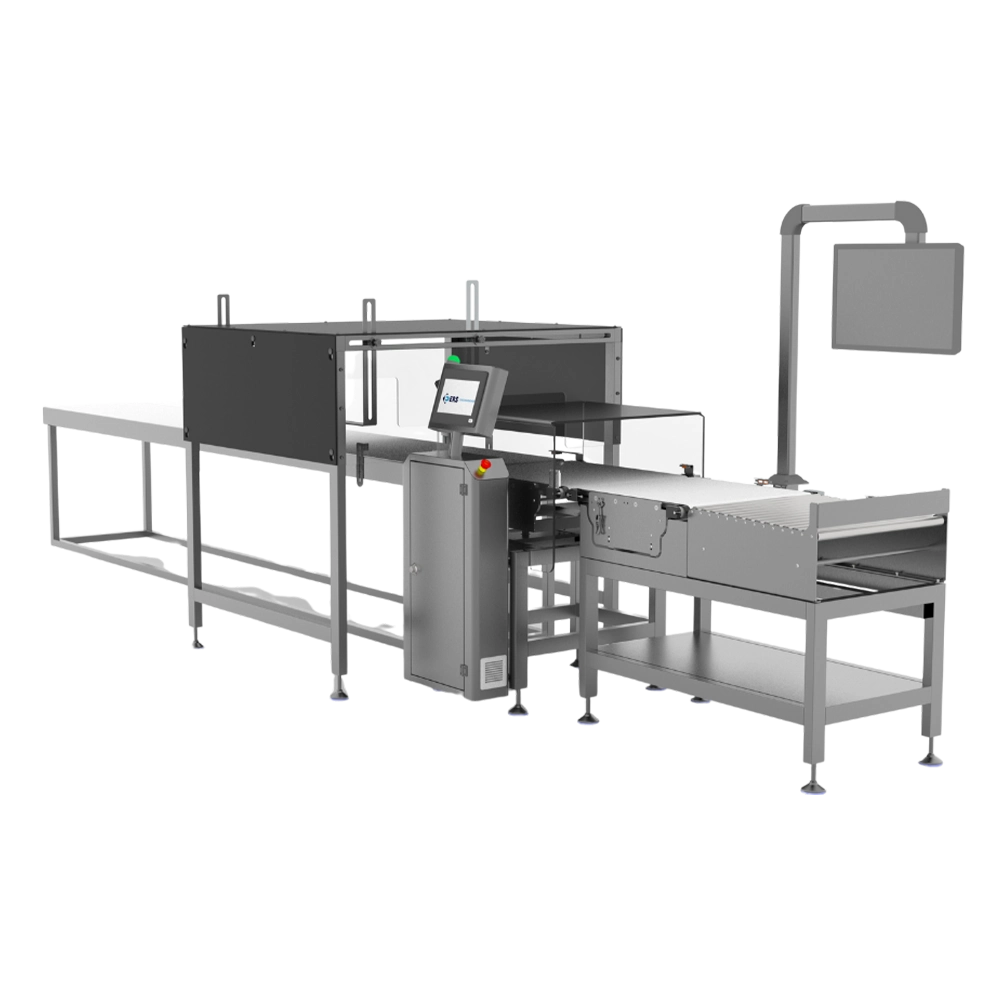
A fish sorting machine for automated grading systems can be configured in different ways to match specific processing requirements. Some systems focus on simple weight classification, while others include multi-lane sorting, advanced software control, and integration with packaging lines.
Depending on the application, manufacturers can choose systems with varying numbers of sorting channels, different conveyor designs, and adjustable speed settings. This flexibility allows businesses to optimize their production process according to product type and volume.
Cost Efficiency
Reduces product giveaway by maintaining weights close to target values across high-volume production lines.
Continuous Operation
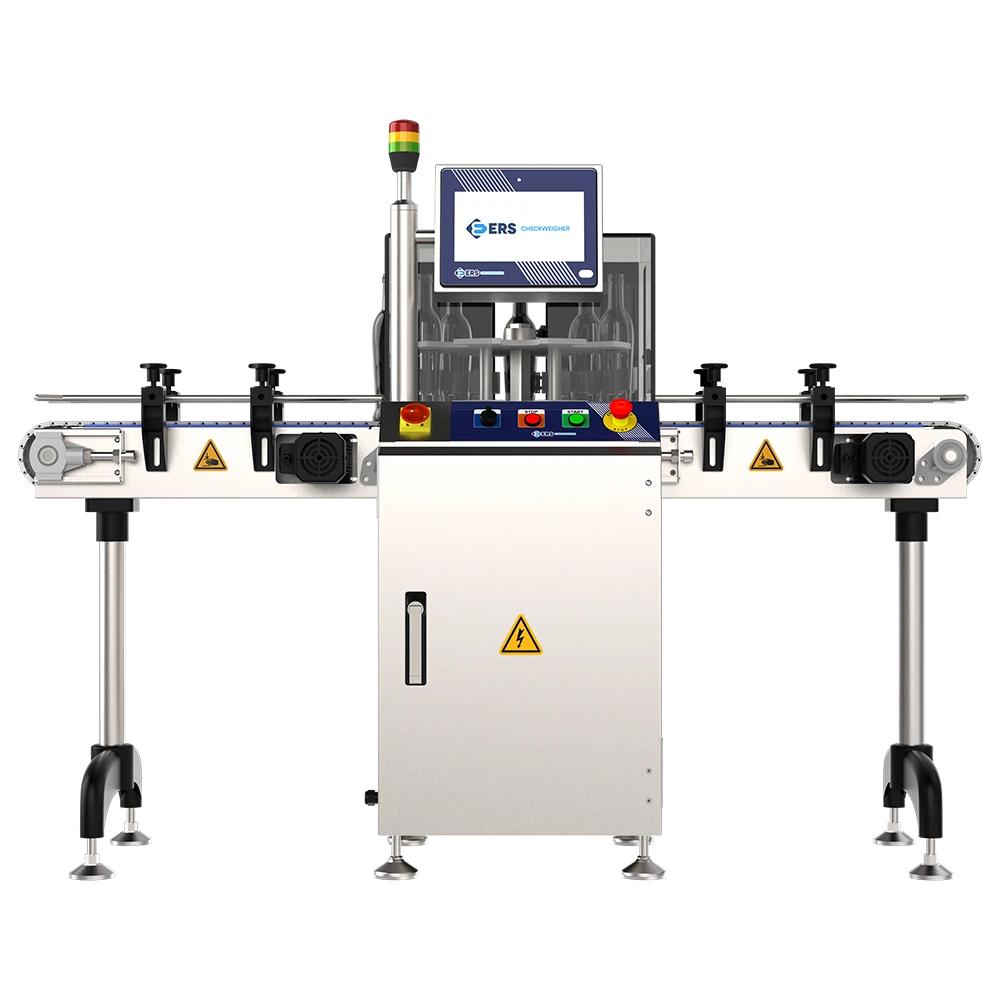
Supports uninterrupted production flow with smooth rotary movement for stable and consistent weighing performance.
Precision Weighing
Ensures accurate and repeatable measurement with a rotary system designed for high-precision industrial weight control.
System Integration
Integrates seamlessly with conveyors and automated equipment for improved process control and production efficiency.
Applications of Food Checkweighers
Improving Accuracy and Product Consistency
Maintaining consistent product size and weight is essential for meeting customer expectations. A fish sorting machine ensures that each product is classified accurately, reducing variation and improving overall quality.
Accurate sorting not only enhances product presentation but also helps meet export standards and retail requirements. This is especially important in competitive markets where consistency plays a key role in customer satisfaction.
Increasing Production Efficiency
Automation significantly improves processing speed and efficiency. A fish sorting machine for automated grading systems allows continuous operation without interruptions, enabling manufacturers to handle higher volumes with greater accuracy.
By reducing manual handling, the system minimizes human error and increases overall productivity. This leads to a more streamlined production process and better resource utilization.
Hygienic Design for Seafood Processing
In seafood production, hygiene is a critical requirement. A fish sorting machine is typically designed with stainless steel construction and easy-to-clean surfaces to meet strict sanitation standards.
Hygienic design ensures that the system can operate safely in wet and demanding environments, reducing the risk of contamination and supporting compliance with industry regulations.
Integration with Processing and Packaging Lines
A fish sorting machine for automated grading systems can be integrated with other equipment such as conveyors, washing systems, and packaging machines. This creates a continuous and efficient production workflow.
Integration improves coordination between different stages of processing and allows for better control over the entire operation. It also supports automation and reduces the need for manual intervention.
Long-Term Value and Investment Benefits
When evaluating a fish sorting machine price, it is important to consider long-term value rather than just initial cost. High-quality systems provide better durability, consistent performance, and lower maintenance requirements.
Over time, these benefits lead to improved operational efficiency and a stronger return on investment. Businesses that invest in reliable sorting systems can achieve better production results and reduced operational costs.
A Smart Approach to Buying Fish Sorting Machines
As seafood processing continues to evolve, the demand for accurate and efficient grading systems is increasing. A fish sorting machine offers a practical solution by combining precision, automation, and flexibility.
For manufacturers looking to improve product quality, increase efficiency, and optimize production processes, selecting the right sorting system is a strategic decision that supports long-term growth.
