
- Home
- Buy Combined Checkweigher Metal Detector for Production Lines
Combined Checkweigher Metal Detector Solutions

Combined Checkweigher Metal Detector
In modern manufacturing, production lines are expected to move quickly while maintaining strict control over product quality, packaging accuracy, and contamination risk. This is why a combined checkweigher metal detector has become an increasingly valuable solution for businesses that want to simplify inspection while strengthening line performance. Instead of installing separate systems for weight verification and metal detection, manufacturers can manage both inspection tasks through one integrated structure that fits directly into the production flow.
This approach is especially useful in sectors where throughput, hygiene, and product conformity must work together without interruption. Food processors, pharmaceutical manufacturers, packaging facilities, and consumer goods producers often need to verify pack weight and contamination status within the same line stage. A combined system helps make this possible with greater efficiency, better space use, and more coordinated process control.
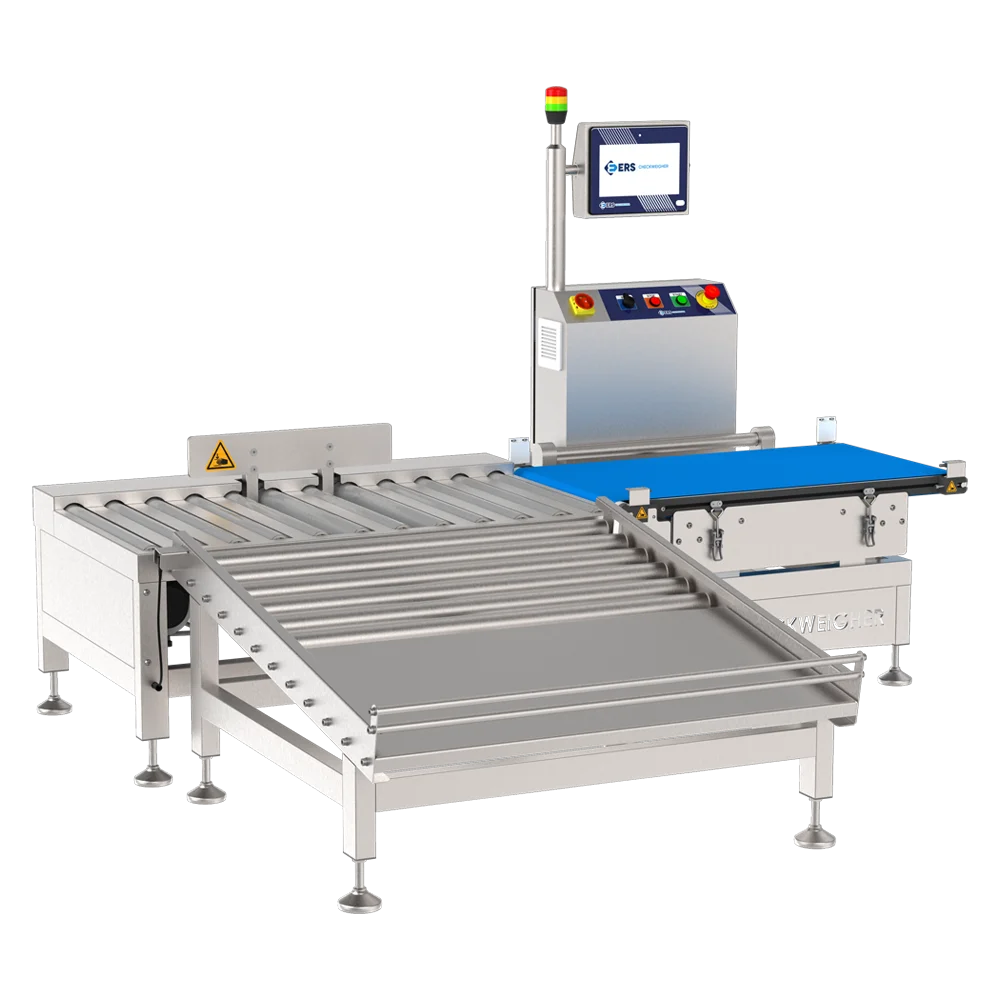
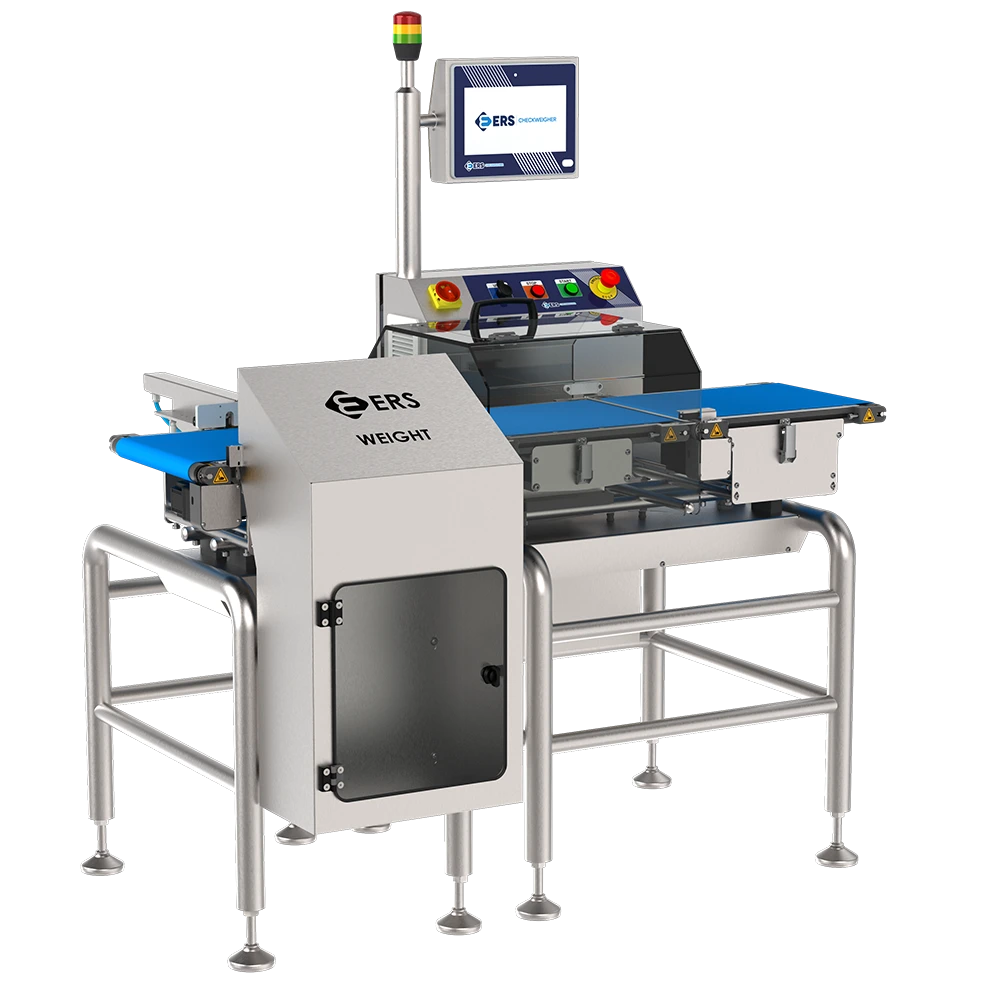
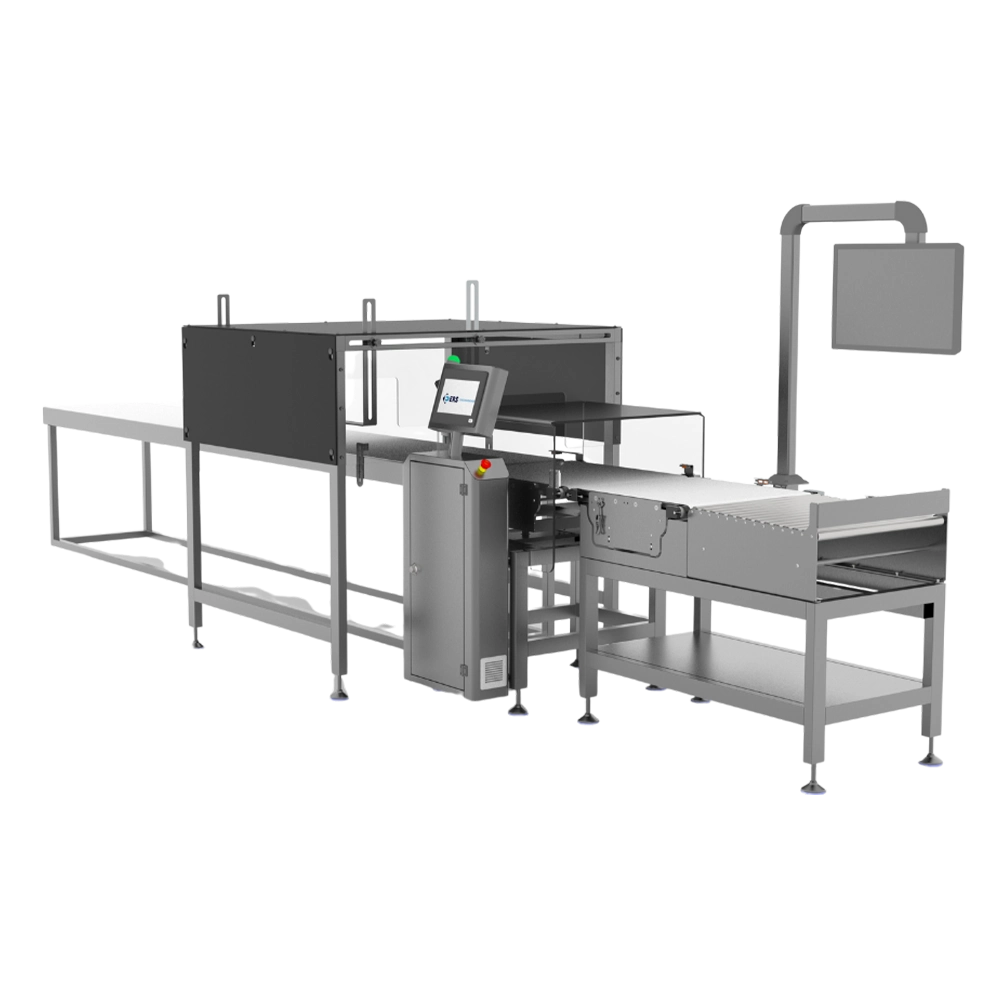
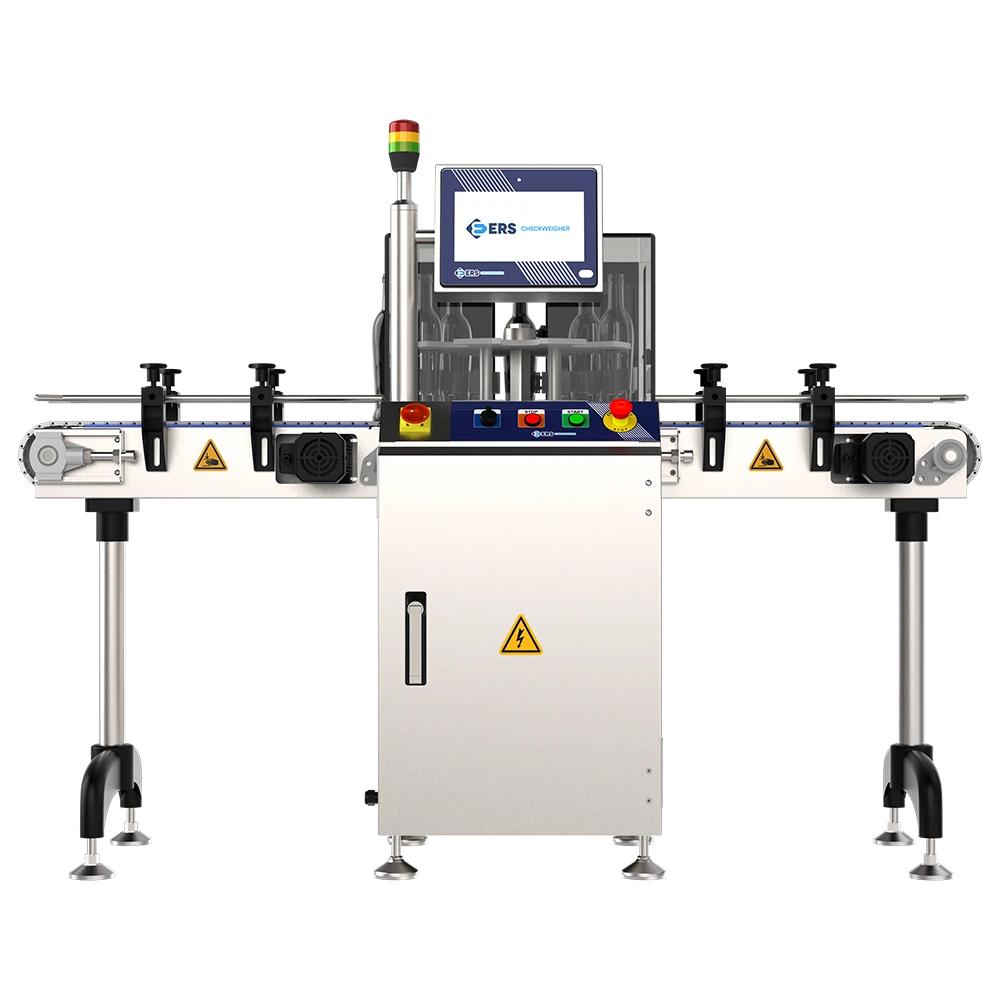
A combined checkweigher metal detector for production lines performs two essential inspection functions within one integrated machine. First, the checkweigher verifies whether the product falls within the defined weight tolerance. Second, the metal detector inspects the same product for ferrous, non-ferrous, and stainless steel contamination before it moves to the next stage of the process.
This dual inspection structure helps manufacturers control two major risks at once. Underweight or overweight products can be identified immediately, while contaminated products can also be detected before final packing, cartoning, or shipment. The result is a more complete inline quality control strategy that reduces the need for separate inspection points and supports a cleaner, more efficient packaging or processing flow.


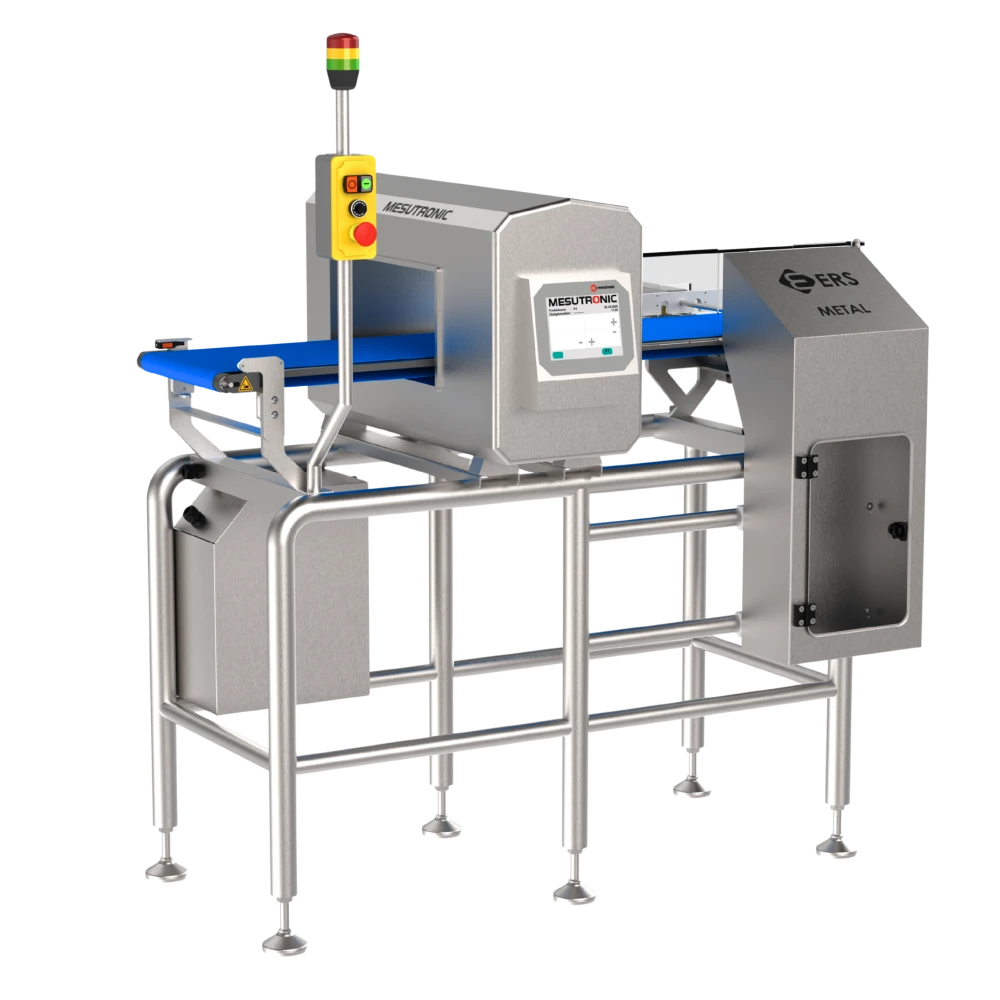
Why Production Lines Benefit from a Combined System
A production line that uses separate machines for weighing and contamination detection can still perform well, but it often requires more space, more coordination, and more system management. A combined inspection unit creates a more streamlined solution by bringing both control points into one integrated platform. This can help reduce layout complexity and improve how inspection fits into the broader production architecture.
For many manufacturers, one of the biggest advantages is line efficiency. Products pass through a single inspection stage rather than moving between different machines with separate control logic. This helps reduce transition points, simplify installation planning, and create a more connected inspection process. In fast-moving production environments, that kind of simplification can have a direct impact on stability and throughput.
Improving Weight Accuracy and Contamination Control Together
Weight control and metal detection address different production risks, but they are often equally important to final product quality. A checkweigher helps ensure that every pack meets declared weight requirements, supports cost control, and reduces giveaway. A metal detector helps prevent contaminated products from moving further into the packaging line or reaching the customer. When these two controls are combined, the manufacturer gains a more powerful and more disciplined inspection structure.
This is especially valuable in applications where every product must meet strict packaging standards. A buy combined checkweigher metal detector decision often reflects the need for both product consistency and stronger contamination protection in the same production environment. Rather than managing two separate inspection workflows, businesses can bring these control functions together in a single, more manageable process.
A Practical Buying Advantage for Production Facilities
From a purchasing perspective, combined systems can offer strategic value beyond technical performance alone. For facilities planning a new line or upgrading an existing one, it is often more practical to invest in one integrated solution than to coordinate multiple standalone systems. This can simplify procurement, reduce installation complexity, and make operator training more straightforward.
A combined inspection machine can also help buyers think more clearly about total project scope. Instead of evaluating separate units, separate line positions, and separate integration needs, the business can assess one system with one operational purpose. This supports more efficient planning and often makes it easier to align the inspection investment with available production space, budget expectations, and project deadlines.
Integrated Inspection
Combine weight control and metal detection in one compact system designed for streamlined inline inspection on production lines.
Space Efficiency
Reduce equipment footprint with a combined inspection solution that supports cleaner layout planning and better line organization.
Accurate Control
Improve product conformity with reliable weight verification and dependable metal contamination detection in a single process.
Production Support
Strengthen line efficiency with an integrated inspection system built for stable operation, easier management, and long-term value.
Key Factors to Consider Before You Buy
Before choosing a combined checkweigher metal detector, the buyer should first define the real production requirement. Product type, packaging format, line speed, contamination risk, target weight tolerance, reject method, and available line space all influence which system is suitable. A dry snack product, a wet packaged meal, a pharmaceutical sachet, and a rigid consumer goods pack will each require different inspection conditions.
It is also important to understand whether the system will be used in a hygienic washdown environment, a compact packaging area, or a high-speed automated line. The more clearly these requirements are defined, the easier it becomes to select the correct machine configuration. A strong purchase decision always starts with application clarity rather than model comparison alone.
Space Saving and System Simplification
One of the main reasons manufacturers choose a combined machine is the practical advantage of reducing equipment footprint. In many production facilities, line space is limited and every meter matters. Installing a separate checkweigher and a separate metal detector may increase the overall length of the inspection zone and create more complexity in conveyor arrangement, reject handling, and service access.
A combined solution helps reduce that burden by offering a more compact inspection layout. This supports cleaner line design and can improve how the inspection stage fits into the wider production flow. For facilities planning new investments, this compact structure can be a strong commercial and technical advantage, especially where efficient use of floor space is part of the project objective.
Better Integration Across Production Lines
A well-designed combined system supports more than simple inspection. It also improves how the inspection stage communicates with the broader line. Conveyors, reject systems, labeling equipment, coding units, and monitoring platforms often need to operate in coordination with the inspection point. A combined checkweigher metal detector helps simplify this interaction because there is one unified inspection structure rather than two separate systems with different response logic.
This can improve operational visibility and make it easier for production teams to understand line behavior. Alarm conditions, rejection events, product handling, and inspection outcomes become easier to manage when the system is integrated as one coordinated unit. In automated environments, better integration usually means better process stability and more predictable line performance.
Suitable for Food, Pharmaceutical, and Packaging Applications
A combined checkweigher metal detector for production lines is particularly valuable in sectors where both pack accuracy and contamination control are critical. In food manufacturing, it helps verify product weight while also supporting product safety before final packaging or shipment. In pharmaceutical applications, it supports stronger inspection discipline for packaged units where consistency and contamination control are both essential. In broader packaging operations, it creates a more efficient and more controlled inline inspection structure.
Because different sectors face different production demands, the selected system should always match the actual application. Hygienic design, sensitivity level, conveyor structure, reject method, and interface features must all be aligned with the operating environment. A combined system delivers the strongest value when it is selected according to real process needs rather than only general machine category.
Cost Efficiency and Long-Term Value
A combined system is not always judged only by initial equipment price. Its real value often becomes clearer over time through better efficiency, reduced line complexity, and stronger inspection discipline. By combining weight and metal control in one machine, manufacturers may reduce installation effort, simplify training, lower service coordination needs, and improve use of production space.
This creates meaningful long-term value for facilities that operate continuously or at high volume. Better weight control reduces giveaway. Better contamination control reduces product risk. Better line integration reduces inefficiency. Together, these advantages help the machine deliver value far beyond the moment of purchase. For many businesses, that is the real reason to invest in a combined inspection platform rather than separate systems.
Choosing the Right Supplier and Support Structure
When businesses decide to buy combined checkweigher metal detector systems, supplier quality is as important as machine quality. The right supplier should understand the application, clarify the inspection requirements, and explain what is included in the system scope. Integration support, installation guidance, operator training, service response, and spare parts access all influence whether the purchase becomes a successful long-term investment.
A supplier that only offers a quotation without technical alignment may increase the risk of mismatch later. By contrast, a supplier that helps define product behavior, line speed, rejection logic, and inspection expectations creates much stronger purchasing confidence. For industrial buyers, a professional support structure is often one of the key factors that separates a good machine purchase from a poor one.
Building a Smarter Buying Strategy
The smartest way to buy a combined inspection system is to align commercial decisions with technical requirements from the start. Buyers should identify what they need to inspect, how the line is configured, what level of weight accuracy is required, what contaminants must be detected, and what production goals the system must support. From there, they can compare equipment not only by price, but also by operational suitability and long-term value.
For manufacturers seeking a more efficient inspection stage, a combined checkweigher metal detector offers a practical and future-ready solution. It supports weight accuracy, contamination control, and line efficiency within one integrated structure. When selected correctly, it helps create a production line that is more controlled, more space-efficient, and better prepared for the demands of modern manufacturing.
