
- Home
- Box Checkweigher Service Solutions
Box Checkweigher Service Solutions

Checkweigher Maintenance and Calibration Services
A checkweigher is only as reliable as its ongoing performance in real production conditions. While the initial installation and configuration are important, long-term accuracy depends heavily on proper maintenance and calibration. This is why checkweigher maintenance and calibration services play a critical role in ensuring consistent weight control and stable line performance.
In high-speed production environments, even small deviations in weighing accuracy can create significant issues. Underweight products can lead to compliance problems and customer dissatisfaction, while overweight products can result in unnecessary giveaway and reduced profitability. Without regular service support, these risks increase over time as system conditions gradually shift due to mechanical wear, environmental changes, and operational stress.
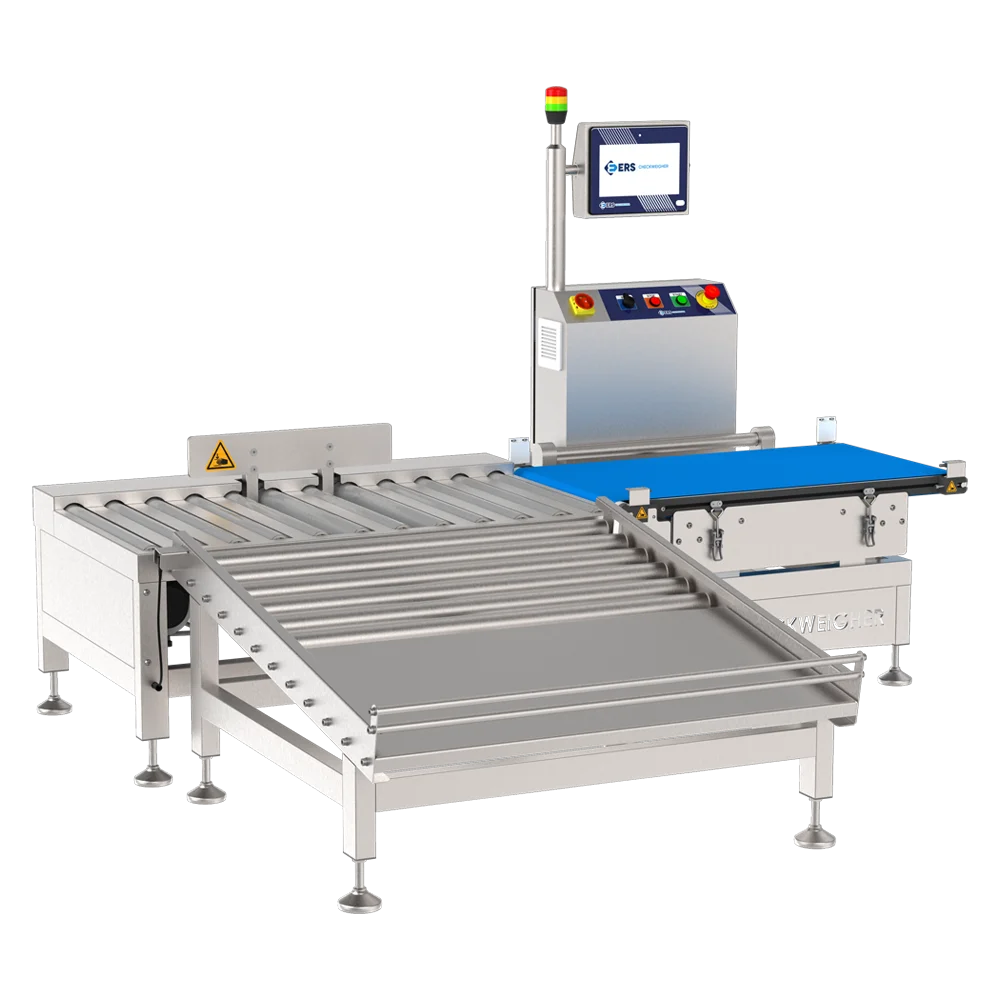
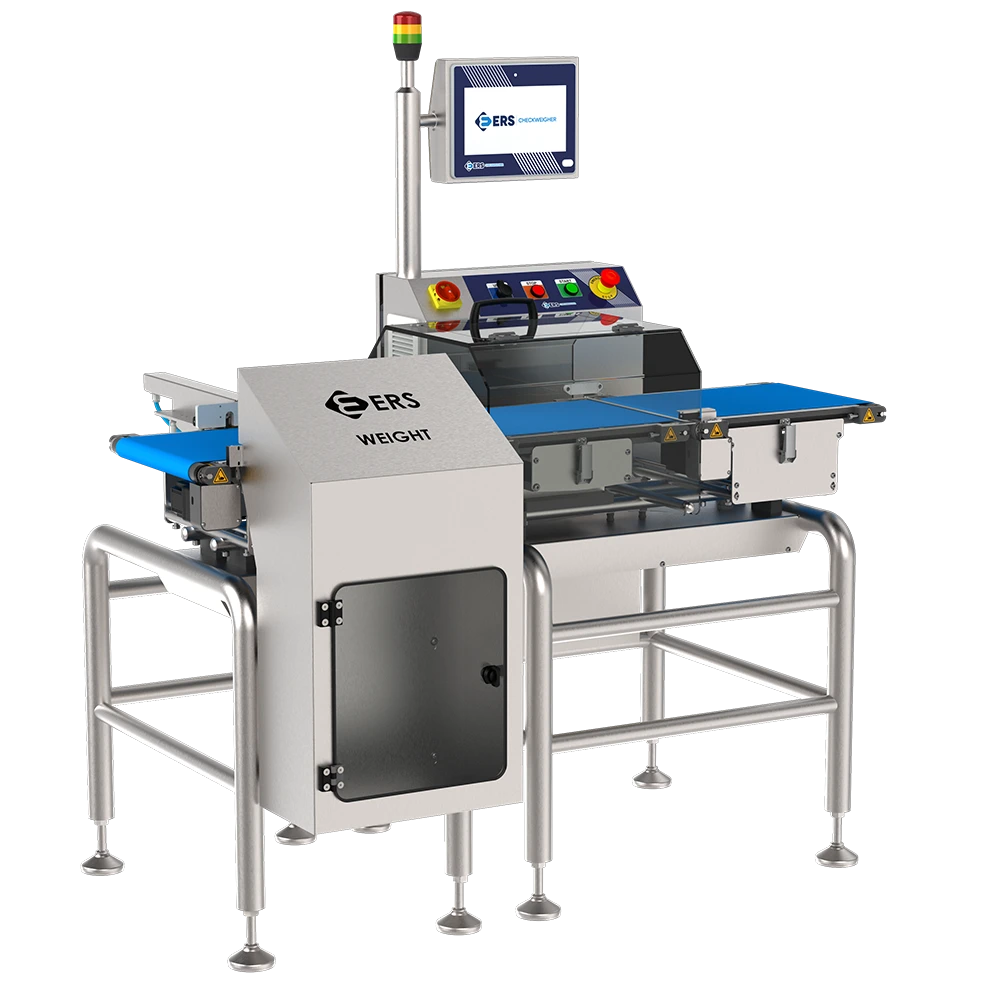
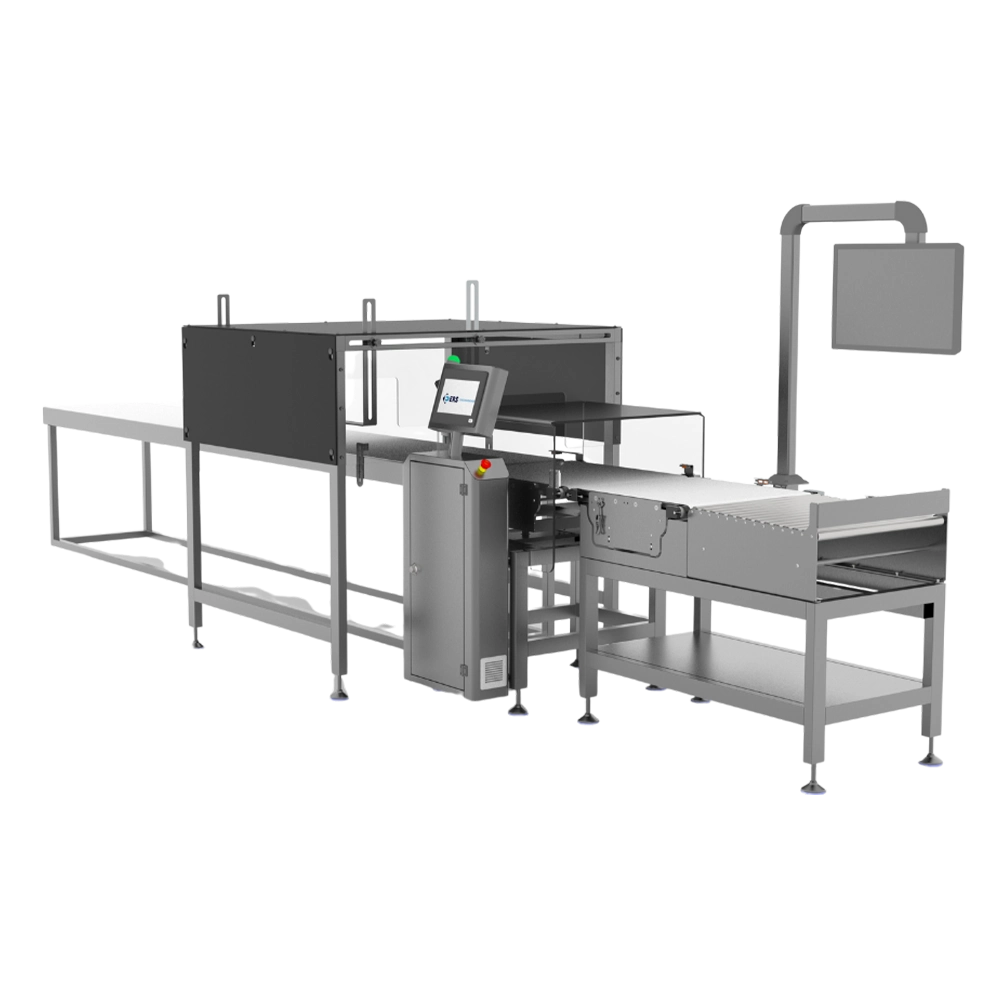

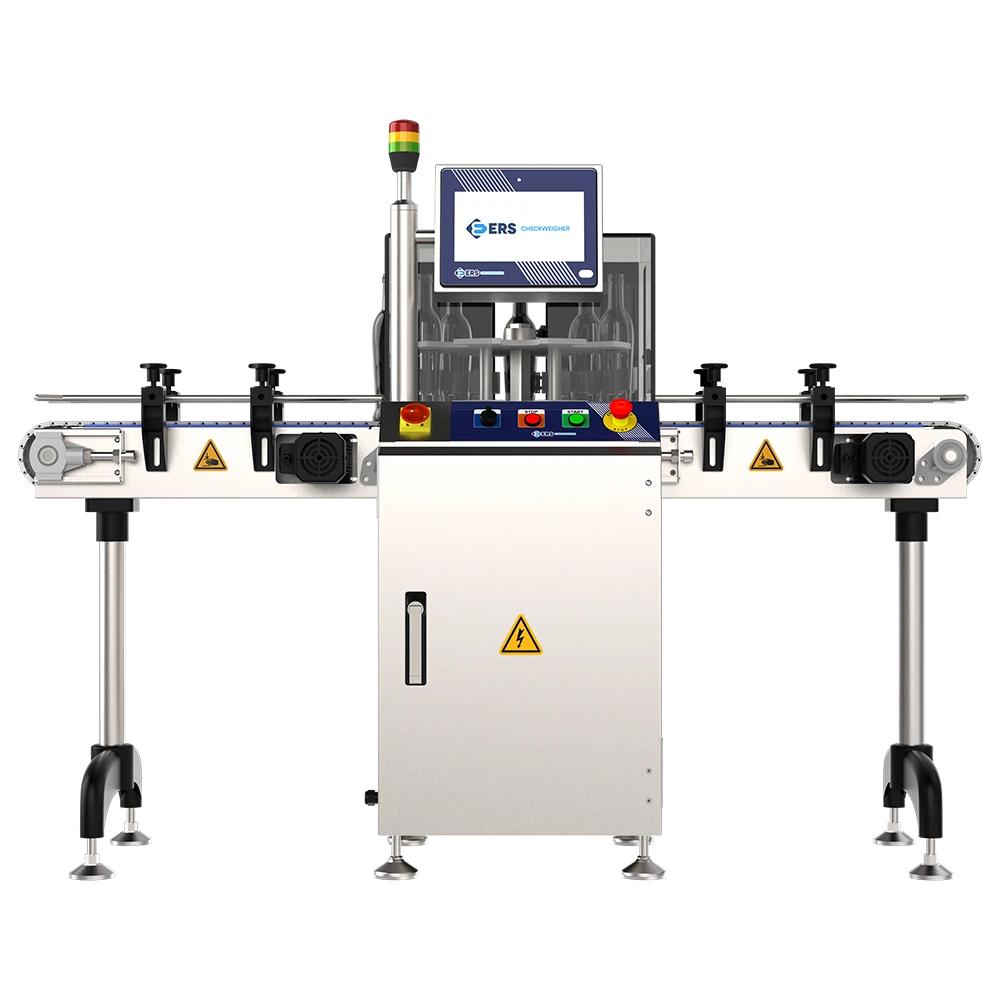

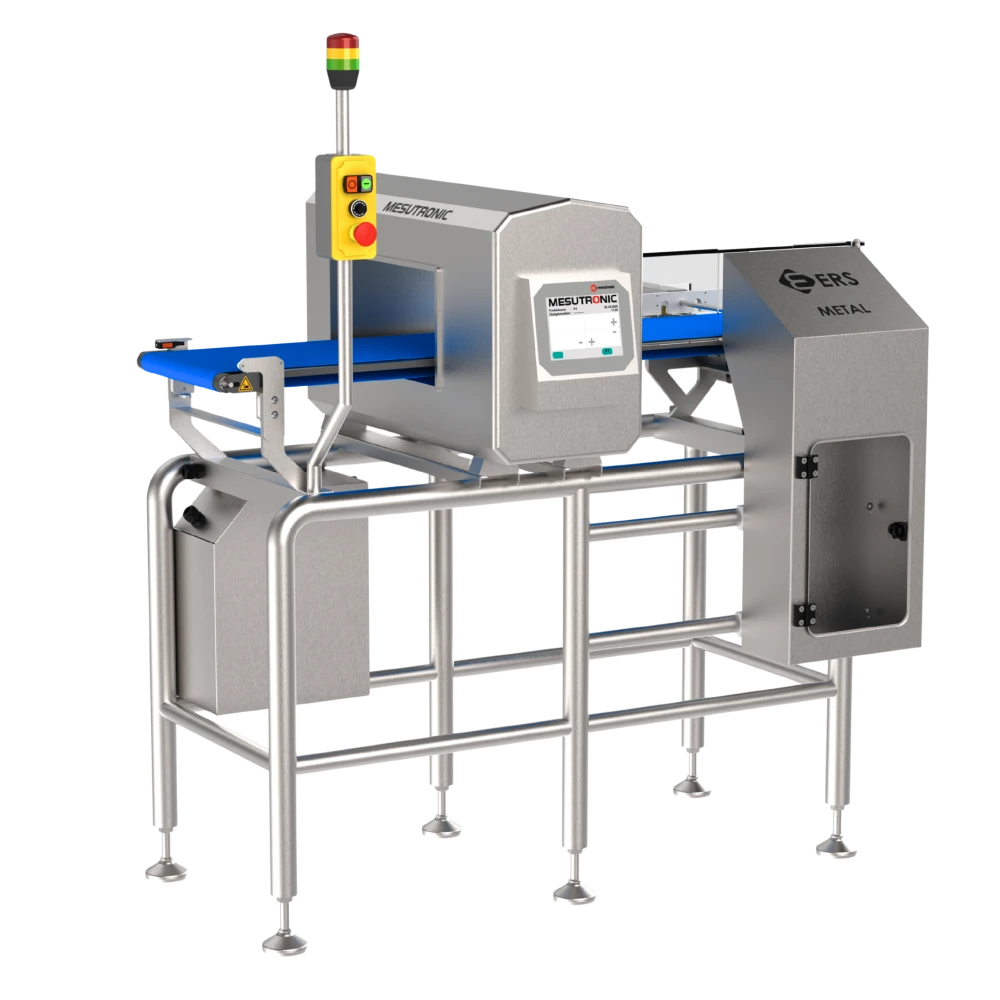
The Role of Checkweigher Calibration in Accuracy
Calibration is the foundation of accurate weight measurement. A properly calibrated system ensures that the checkweigher reads product weight correctly and consistently across all operating conditions. Over time, factors such as vibration, temperature variation, product type changes, and mechanical movement can affect measurement accuracy. This makes checkweigher calibration an essential routine rather than an optional adjustment.
A structured calibration process helps maintain correct sensitivity levels and ensures that the system continues to compare product weights against the correct target values. This is especially important in industries such as food, pharmaceuticals, and packaging, where weight accuracy is directly linked to compliance and quality standards. Regular calibration improves trust in inspection results and reduces the risk of unnoticed deviation.
Maintaining Consistent Inline Performance
A checkweigher must operate within a dynamic production environment where products are continuously moving. This means performance is influenced not only by the weighing cell but also by conveyor stability, product spacing, belt condition, and surrounding equipment interaction. Checkweigher maintenance services help ensure that all these elements continue to function in harmony.
Routine maintenance includes checking mechanical components, verifying belt alignment, ensuring sensor stability, and reviewing system response behavior. When these elements are properly maintained, the checkweigher can operate with higher consistency and fewer interruptions. This supports smoother production flow and reduces the need for operator intervention.
Preventing Drift and Measurement Deviation
One of the most common issues in long-term checkweigher operation is measurement drift. This occurs when the system gradually loses calibration accuracy without immediate visible signs. Drift can result from mechanical wear, environmental changes, or extended operation without recalibration. If not addressed, it can lead to systematic weight errors across entire production batches.
A professional maintenance and calibration service helps detect and correct drift early. By regularly verifying system performance against known reference weights, manufacturers can ensure that the checkweigher remains within acceptable tolerance levels. This proactive approach reduces the risk of large-scale production errors and improves overall quality control.
Calibration Accuracy
Maintain precise weight measurement with regular calibration services designed for stable and repeatable checkweigher performance.
Preventive Maintenance
Reduce unexpected downtime with planned maintenance that supports long-term system reliability and efficiency.
System Stability
Ensure consistent inline operation through mechanical checks, conveyor alignment, and performance verification.
Quality Assurance
Strengthen production confidence with dependable weight control that supports compliance and product consistency.
Applications of Food Checkweighers
Reducing Downtime and Production Interruptions
Unexpected equipment failure can disrupt the entire production line. A checkweigher that stops working or produces inconsistent results can force operators to pause production, perform manual checks, or re-inspect products. This creates delays, increases labor requirements, and impacts output targets.
Preventive maintenance helps reduce these risks by identifying potential issues before they turn into failures. Components such as belts, motors, load cells, and sensors can be inspected and serviced regularly to maintain optimal condition. This improves system uptime and ensures that the checkweigher continues to support production rather than interrupt it.
Supporting Compliance and Quality Standards
In many industries, weight control is not just a production concern but also a regulatory requirement. Companies must demonstrate that their products meet declared weight specifications and that inspection systems are functioning correctly. Checkweigher calibration services support this requirement by providing structured and repeatable verification processes.
Regular calibration records and maintenance logs also contribute to better audit readiness. They show that the company is actively managing its inspection systems and maintaining control over product quality. This is especially important in food production, pharmaceuticals, and export-focused manufacturing environments where compliance expectations are higher.
Adapting to Product and Process Changes
Production lines are rarely static. Product sizes, packaging formats, and throughput levels may change over time. Each of these changes can affect how a checkweigher behaves. A system calibrated for one product may not deliver the same accuracy when conditions change.
This is where ongoing checkweigher service support becomes valuable. Calibration can be adjusted to match new product characteristics, and maintenance checks can ensure that the system continues to operate correctly under updated conditions. This flexibility helps manufacturers adapt without compromising inspection performance.
Extending Equipment Lifespan
A checkweigher represents a long-term investment in production quality. Without proper care, the system may lose performance faster and require costly repairs or early replacement. Maintenance services help protect this investment by ensuring that the system remains in good working condition over time.
Regular servicing reduces wear-related damage, prevents minor issues from escalating, and supports stable long-term operation. This extends the usable life of the equipment and improves the return on investment. For manufacturers operating continuous production lines, this reliability is a major advantage.
Improving Operational Confidence
When a checkweigher is properly maintained and calibrated, operators can trust the system’s output. This reduces uncertainty and allows production teams to focus on efficiency rather than constantly verifying results manually. A reliable system supports better decision-making and improves overall workflow confidence.
Consistent performance also makes it easier to identify real production issues. If weight deviations occur, teams can be more confident that the issue is related to filling or packaging rather than measurement error. This clarity helps improve process control and reduces troubleshooting time.
Integrated Service Approach for Better Results
The most effective approach is to treat maintenance and calibration as part of a single service strategy. Calibration ensures measurement accuracy, while maintenance ensures mechanical and operational stability. When both are managed together, the checkweigher performs more reliably and consistently.
This integrated approach creates a stronger inspection system overall. It reduces variability, improves repeatability, and supports long-term production efficiency. Manufacturers that adopt structured service programs typically see better performance and fewer unexpected issues over time.
Long-Term Value for Production Lines
Investing in checkweigher maintenance and calibration services is not just about preventing problems. It is about building a more controlled, efficient, and predictable production environment. Accurate weight control supports product quality, reduces waste, and improves profitability.
For businesses operating automated production lines, this kind of stability is essential. A well-maintained and properly calibrated checkweigher becomes a dependable part of the production process rather than a potential weak point.
A Smarter Approach to Checkweigher Reliability
As production systems become faster and more precise, inspection equipment must keep up with increasing expectations. A checkweigher that is regularly serviced and calibrated can meet these demands more effectively. It delivers accurate results, supports consistent output, and helps maintain a high level of production discipline.
