
- Home
- Industrial Metal Detector for Food Safety and High Sensitivity Detection
Industrial Metal Detector Solutions
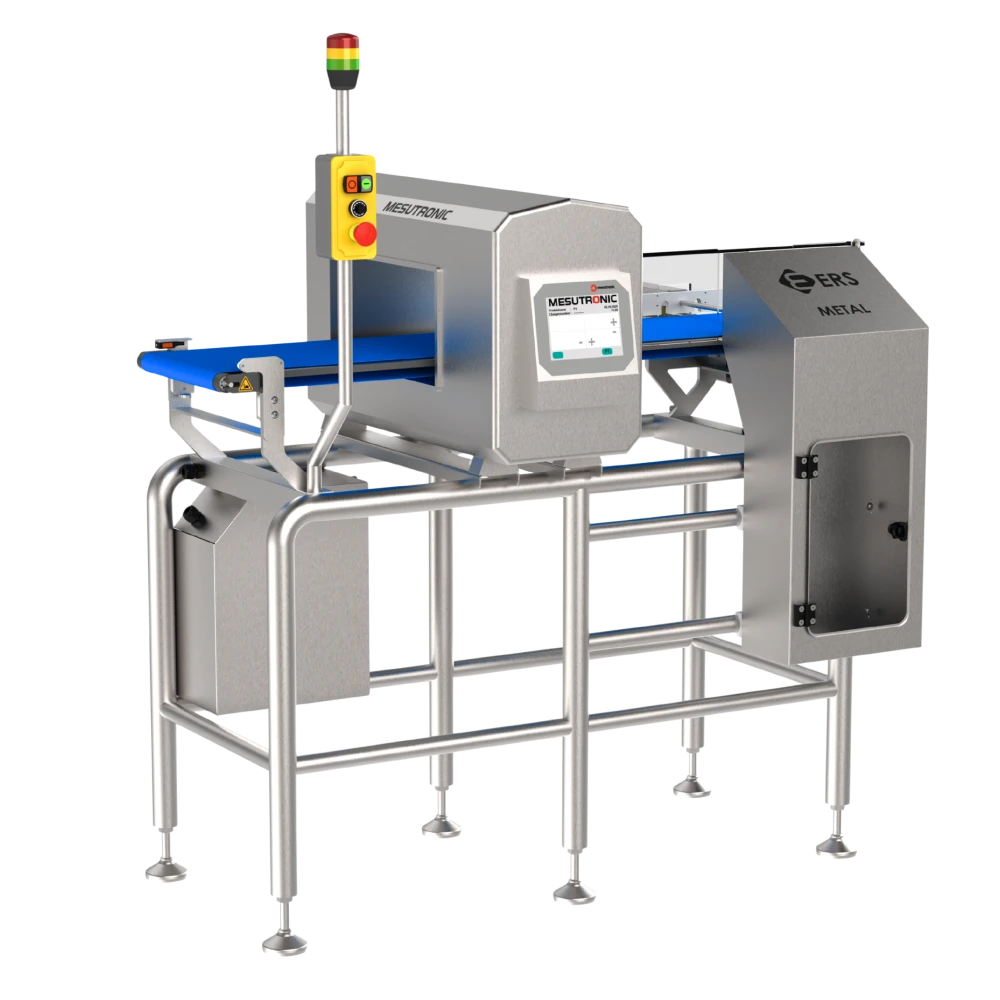
Why Metal Detection Is Critical for Food Safety
In food production environments, product safety is one of the most important priorities. Contamination caused by metal fragments can occur at various stages of processing, including raw material handling, cutting, mixing, or packaging. Even the smallest metal particles can pose serious risks to consumers and damage brand reputation. This is why an industrial metal detector is an essential part of modern food safety systems.
Regulatory requirements in the food industry demand strict contamination control and reliable inspection processes. A properly implemented metal detection system ensures that every product is checked before reaching the market, reducing the risk of recalls and compliance issues.


Designed for High Sensitivity Detection
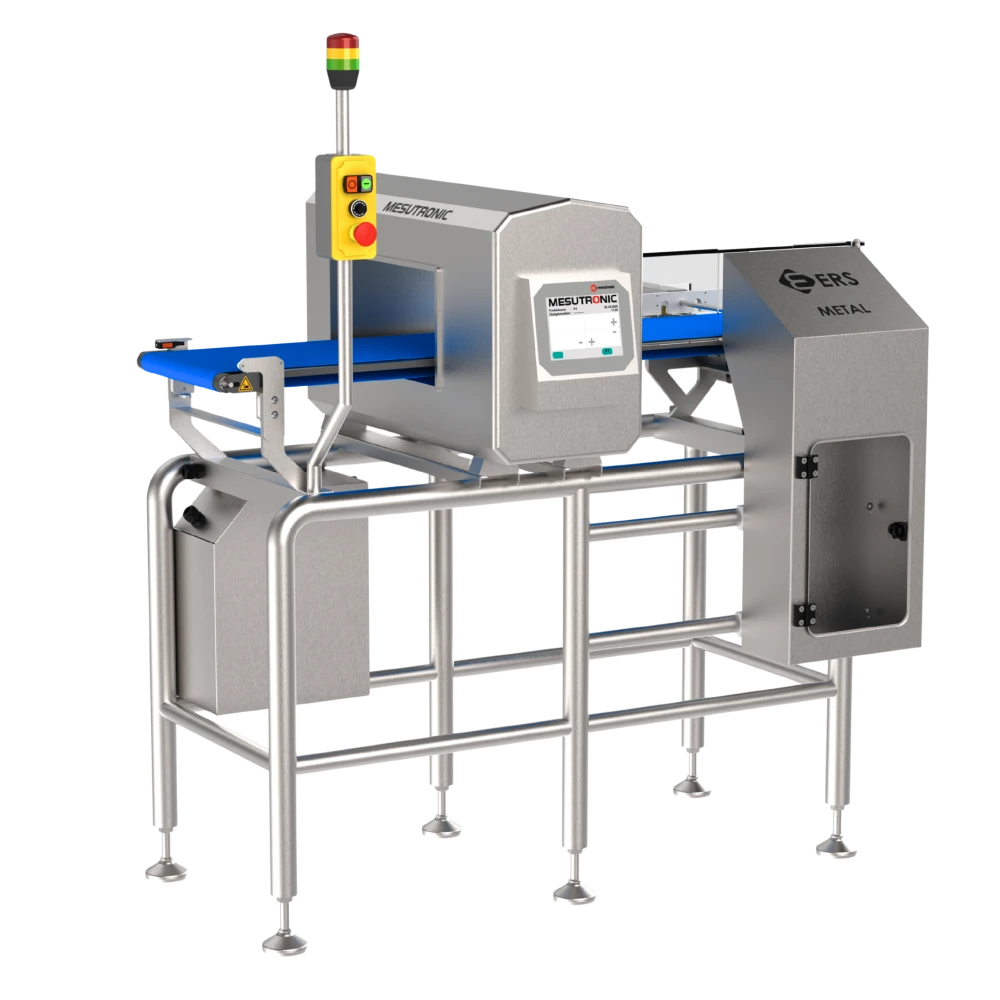
A industrial metal detector for food safety and high sensitivity detection is engineered to identify even the smallest metallic contaminants within products. High sensitivity is especially important for detecting fine particles such as stainless steel, which can be more difficult to identify compared to ferrous metals.
Advanced detection technology allows the system to operate with high precision while minimizing false rejects. This ensures that contaminated products are removed from the line without affecting overall production efficiency.
Supporting Continuous Inline Inspection
Modern production lines require inspection systems that can operate continuously without slowing down operations. An inline metal detector performs real-time inspection as products move through the conveyor, ensuring that every item is checked without interrupting the production flow.
This continuous inspection approach eliminates the need for manual checks and improves overall efficiency. It also ensures that contamination is detected immediately, allowing for quick corrective action.
Improving Detection Accuracy and Reliability
Accuracy is critical in metal detection systems. A high sensitivity metal detector ensures reliable identification of contaminants across different product types, including packaged, bulk, or processed foods.
The system is designed to adapt to varying product characteristics such as moisture content, density, and packaging material. This adaptability helps maintain consistent detection performance and reduces the likelihood of missed contaminants.
Medium Capacity Control
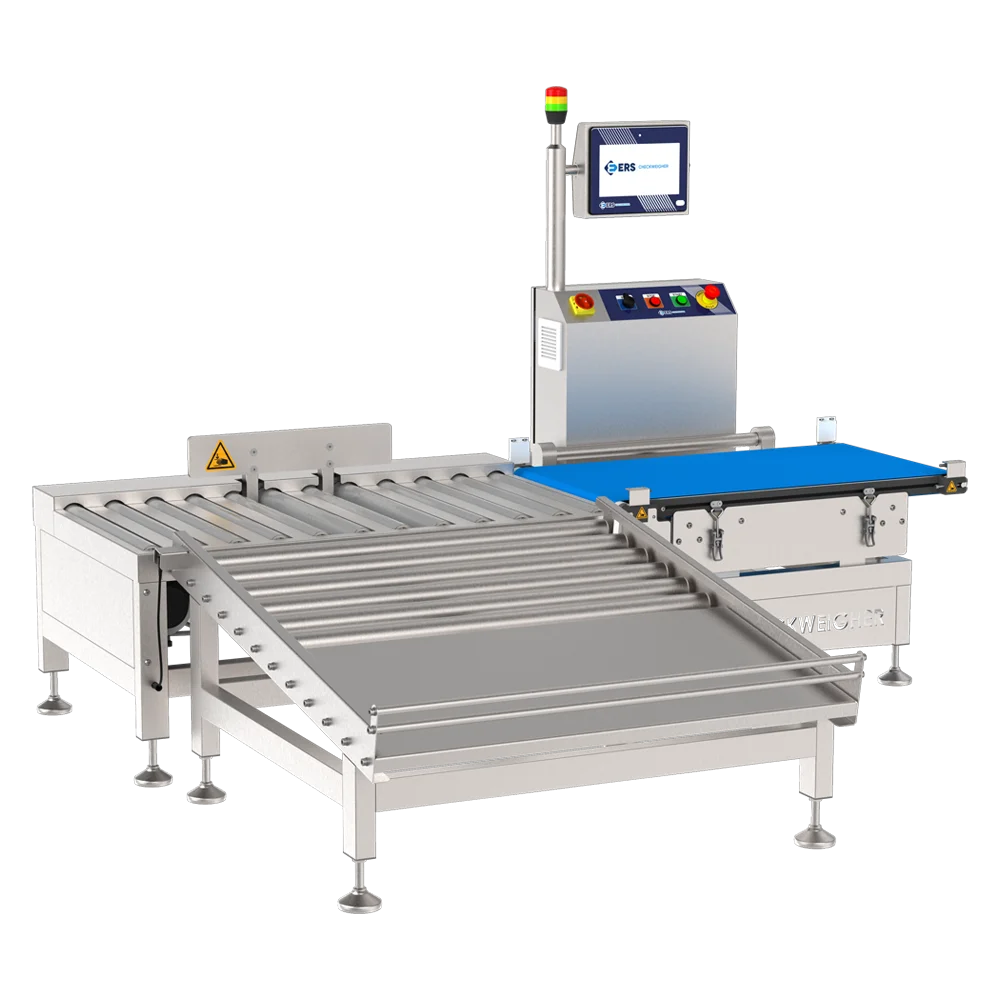
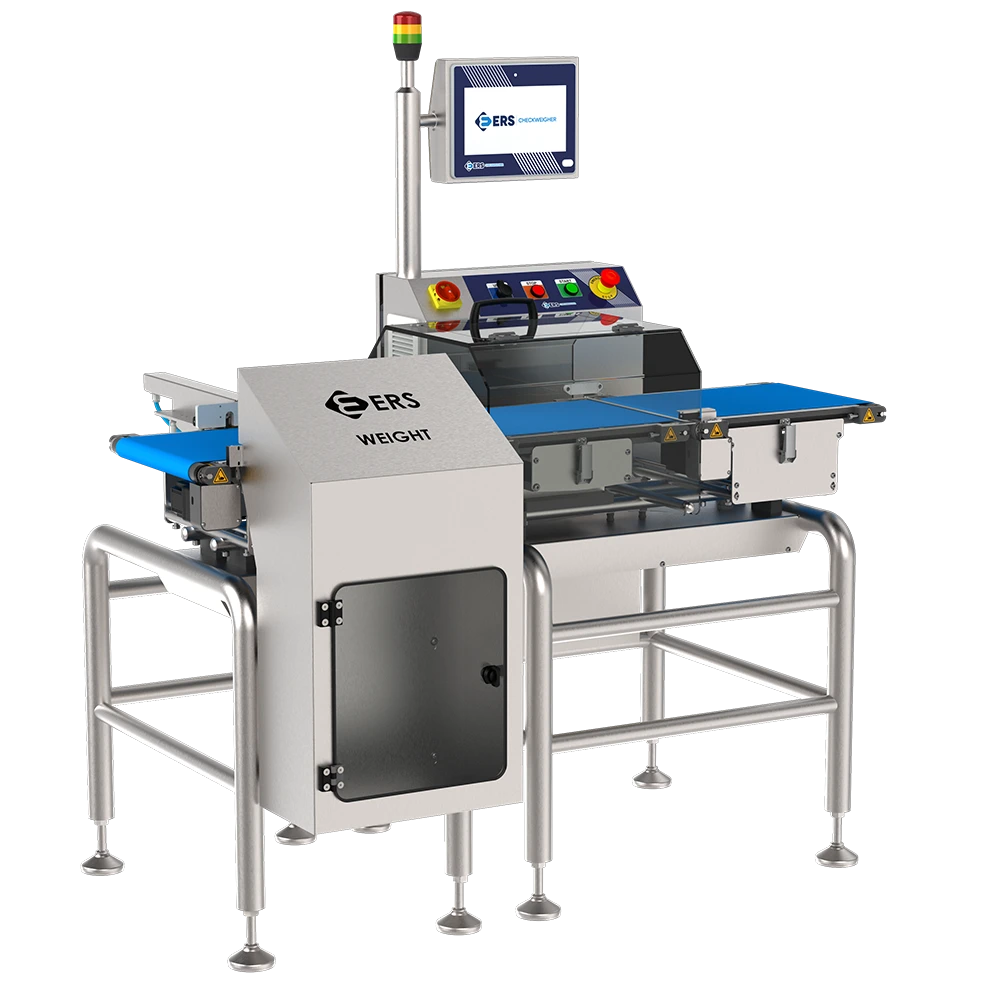
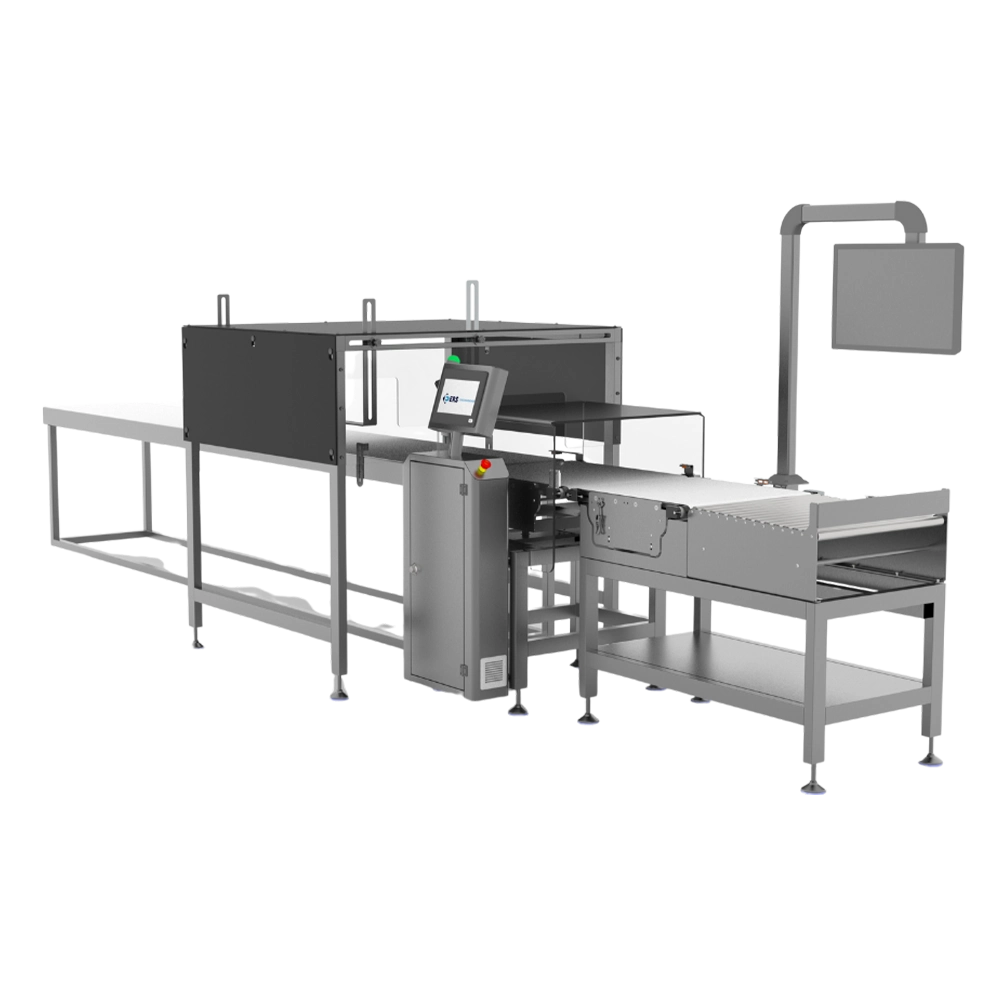
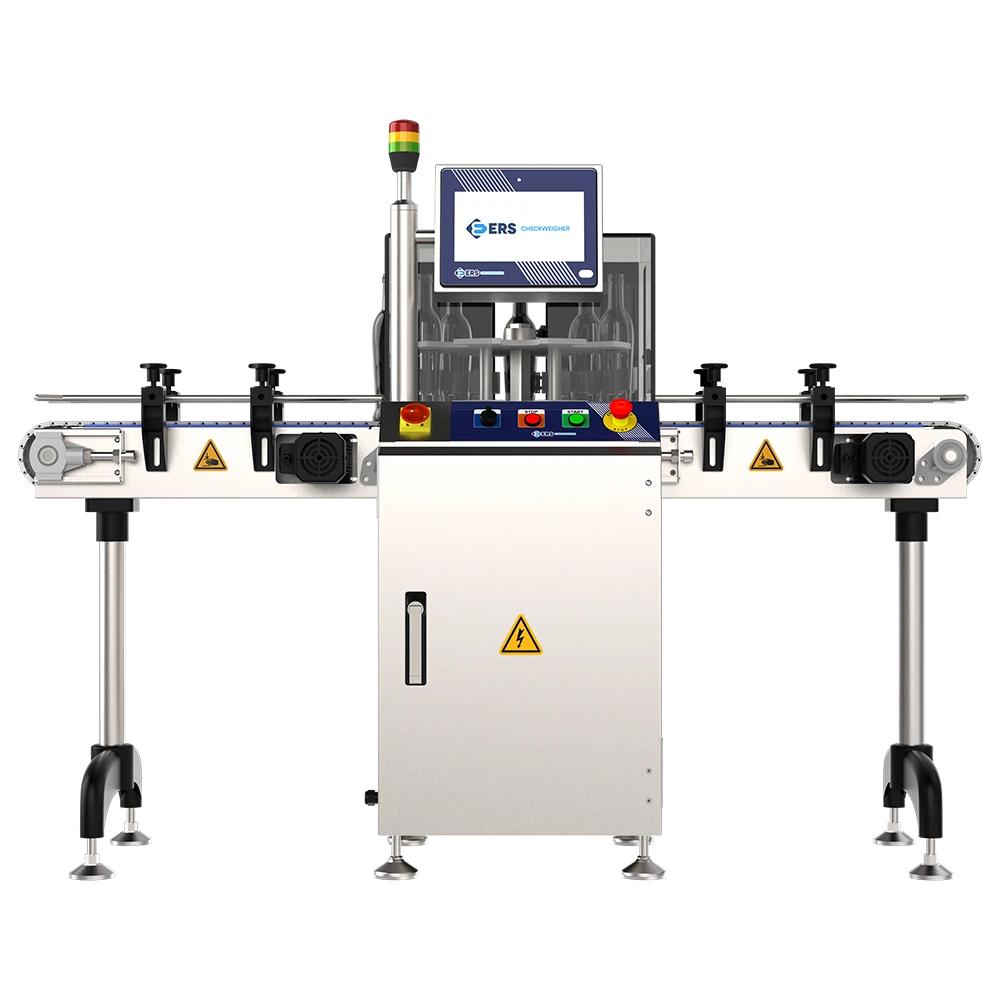
Designed for accurate inspection of medium-weight cartons and cases in packaging lines up to 30kg capacity.
Stable Weighing
Supports dependable inline measurement with smooth conveyor performance for consistent case inspection results.
Accurate Verification
Helps detect missing, incomplete, or overweight boxes through reliable real-time weight control.
Packaging Efficiency
Improves case inspection flow and supports stronger packaging accuracy across medium-capacity production operations.
Applications of Food Checkweighers
Reducing False Rejects and Production Waste
One of the challenges in metal detection is balancing sensitivity with operational efficiency. Excessively sensitive systems may lead to false rejects, which can disrupt production and increase waste. A well-calibrated industrial metal detector achieves the right balance by detecting contaminants accurately while minimizing unnecessary product rejection.
This improves overall efficiency and ensures that only genuinely contaminated products are removed from the line.
Seamless Integration with Food Processing Lines
A industrial metal detector for food safety and high sensitivity detection is designed to integrate seamlessly with existing production systems. It can be installed on conveyors, packaging lines, and processing equipment to create a fully integrated inspection solution.
This integration allows the system to operate as part of a continuous workflow, improving coordination between different stages of production and ensuring consistent safety standards.
Suitable for Various Food Industry Applications
Industrial metal detectors are used across a wide range of food production applications. They are commonly applied in processing lines for packaged foods, fresh products, bakery items, dairy products, and frozen goods.
A food industry metal detector can be adapted to different product formats and production conditions, making it a versatile solution for ensuring food safety across multiple sectors.
Enhancing Compliance and Quality Assurance
Food manufacturers must comply with strict safety regulations and quality standards. A industrial metal detector helps ensure compliance by providing consistent and reliable inspection results.
This strengthens quality assurance processes and supports better audit readiness. By maintaining high detection accuracy, businesses can protect their brand reputation and build consumer trust.
Improving Process Visibility and Control
Modern metal detection systems provide valuable data that can be used to monitor production performance. A high sensitivity metal detector offers real-time insights into contamination events, helping manufacturers identify trends and improve process control.
This data-driven approach supports continuous improvement and helps reduce the risk of recurring contamination issues.
Long-Term Value for Food Safety Systems
Investing in a industrial metal detector for food safety and high sensitivity detection provides long-term benefits by improving product safety, reducing risk, and enhancing operational efficiency.
For food manufacturers, this type of system is not just a compliance tool but a strategic investment in quality and reliability.
A Smarter Approach to Contamination Control
As food safety requirements continue to evolve, manufacturers need inspection systems that can deliver both precision and reliability. An industrial metal detector offers a practical solution by combining high sensitivity detection with continuous operation and seamless integration.
For businesses looking to strengthen their food safety processes, this system represents a smart and future-ready approach to contamination control.
