
- Home
- Checkweigher Maintenance and Calibration Solutions
Checkweigher Maintenance and Calibration Services

Importance of Regular Checkweigher Maintenance
In modern production environments, maintaining consistent weight accuracy is essential for both quality control and operational efficiency. A checkweigher maintenance service ensures that the system continues to perform reliably under daily production conditions. Without regular maintenance, mechanical wear, environmental factors, and continuous operation can gradually affect system performance.
Routine maintenance helps identify potential issues before they become critical failures. Components such as conveyors, load cells, sensors, and belts must be inspected regularly to maintain stable operation. A well-maintained checkweigher supports smoother production flow, reduces unexpected downtime, and improves overall system reliability.
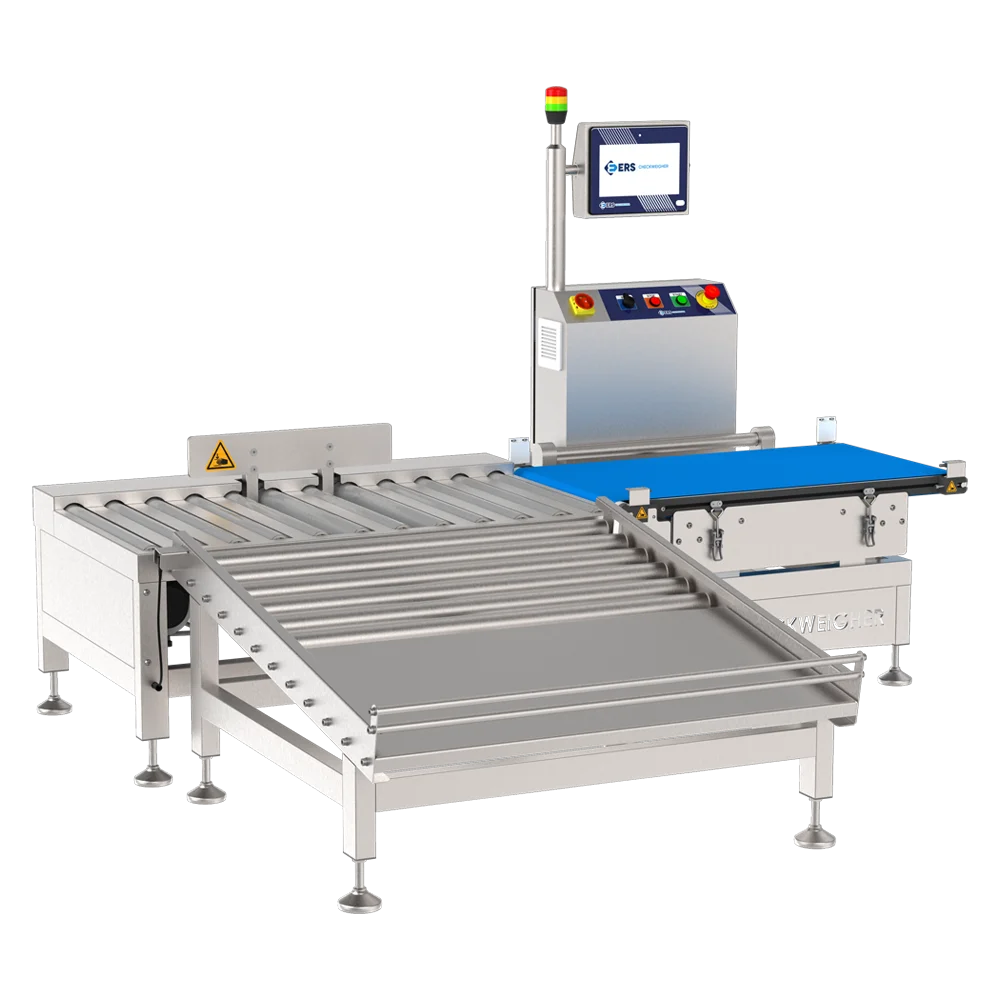
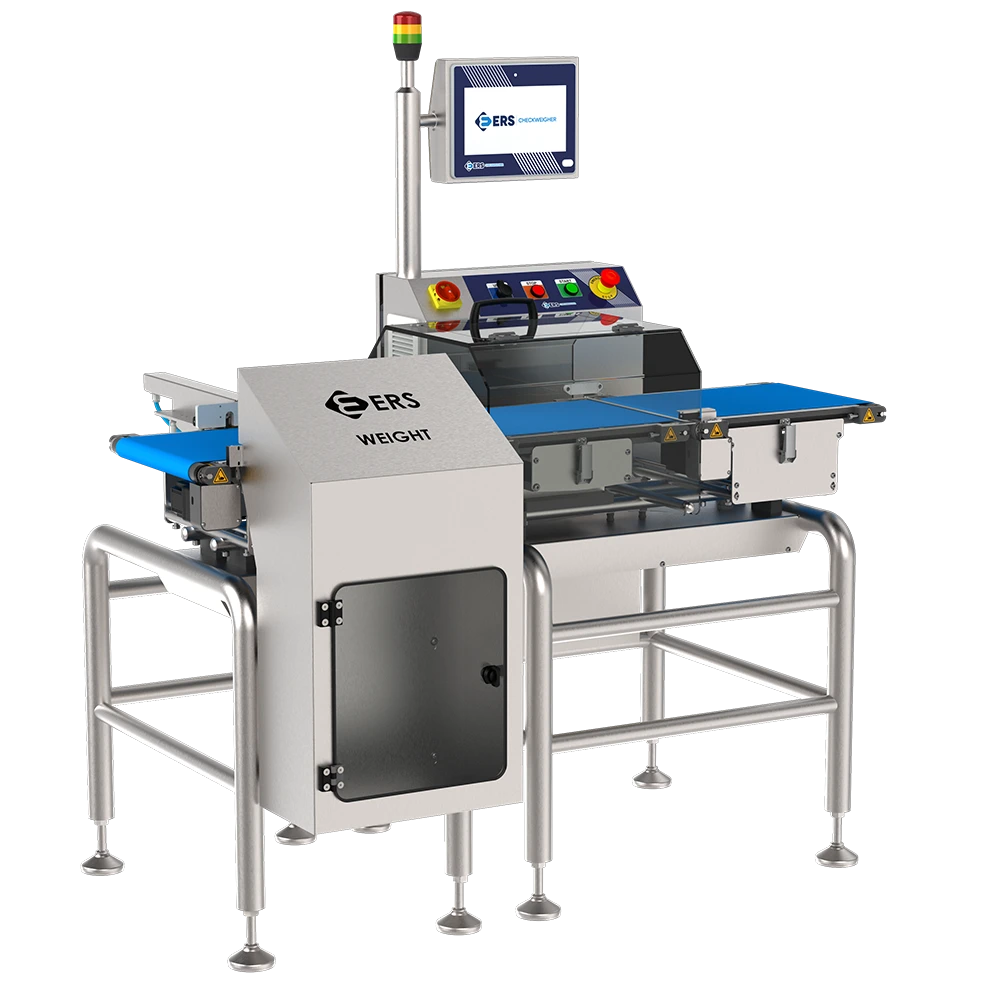
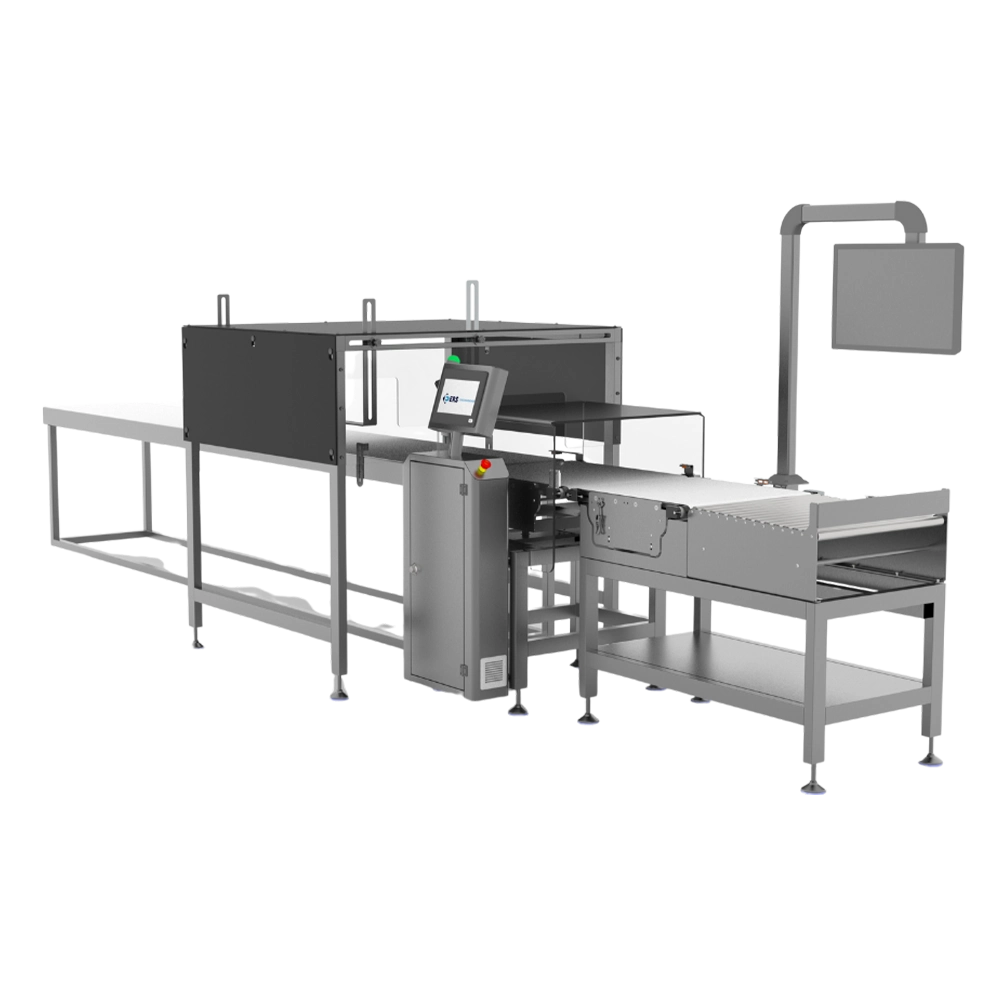

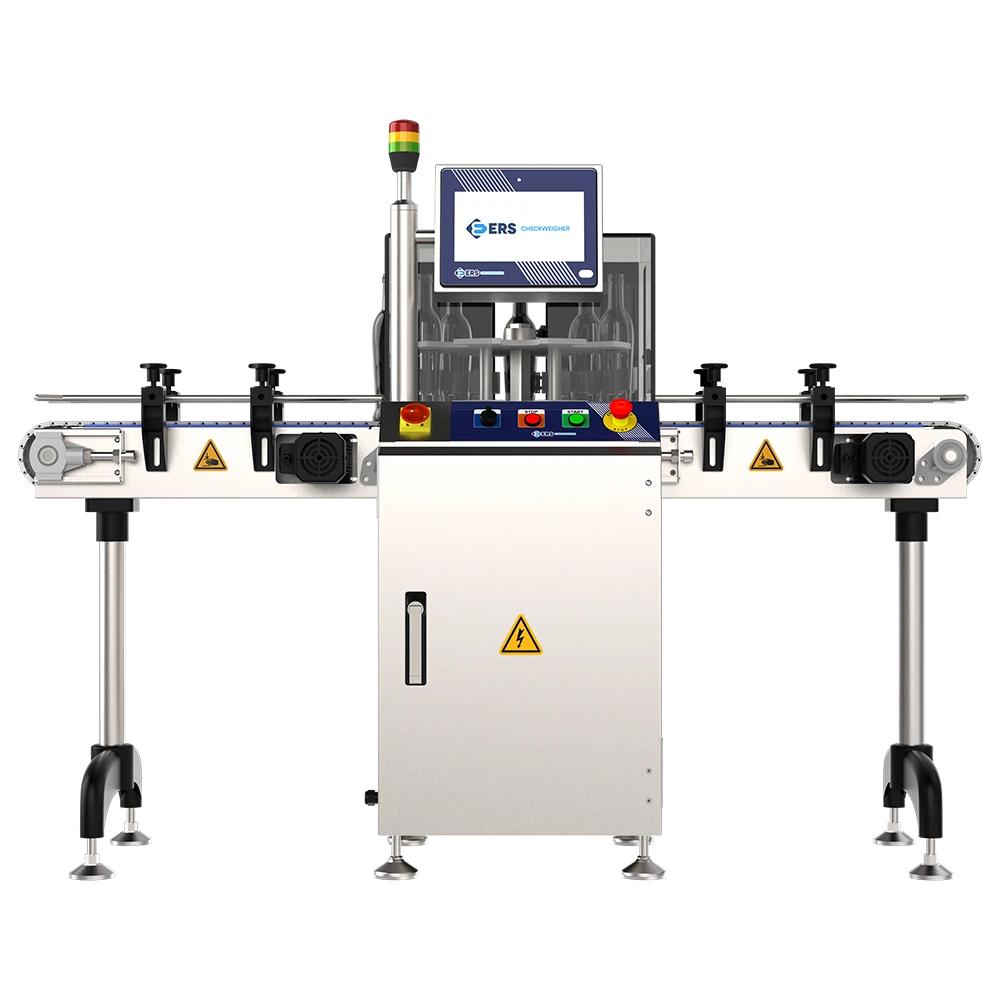

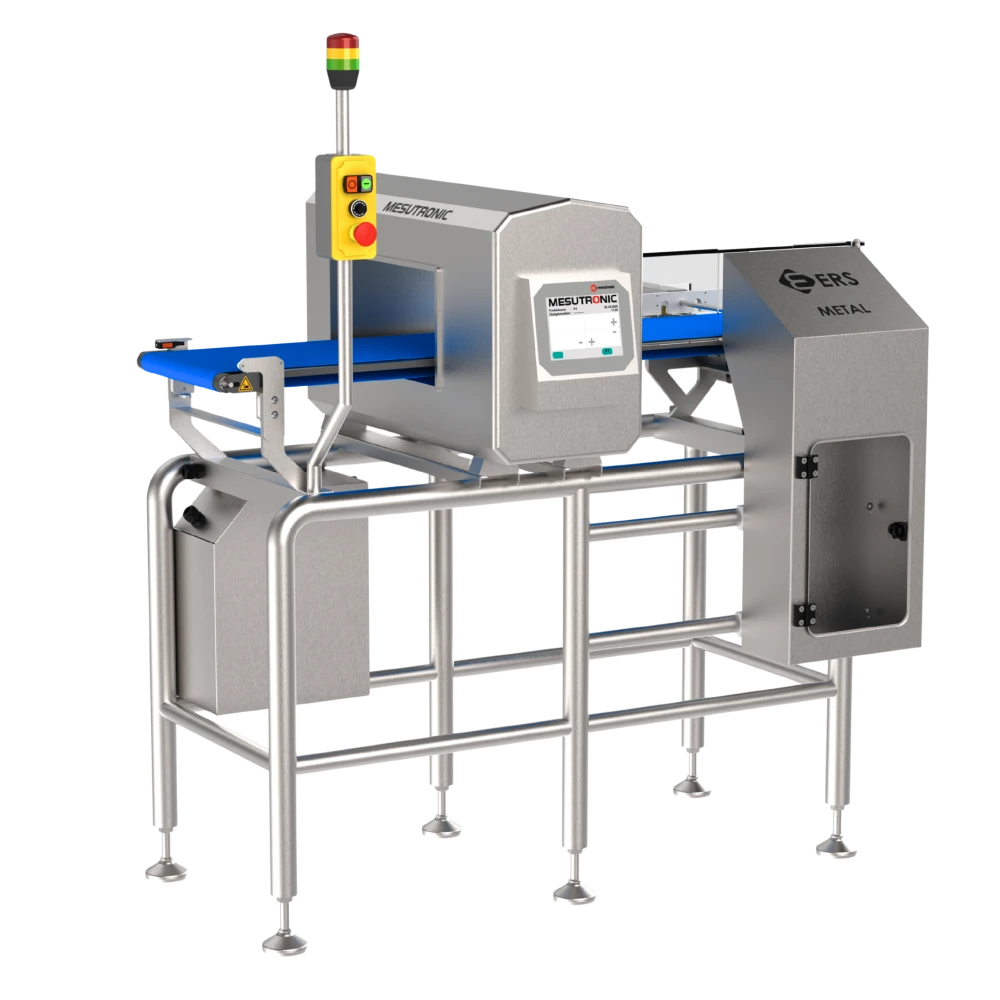
Designed for Modern Seafood Production Lines
Calibration is a key factor in ensuring that a checkweigher delivers accurate and repeatable measurements. Over time, system accuracy can drift due to vibration, temperature changes, and operational stress. This makes checkweigher calibration an essential process for maintaining precise weight control.
A structured calibration process verifies that the system is measuring correctly against known reference weights. This ensures that underweight and overweight products are identified accurately, helping manufacturers maintain product consistency and meet required specifications. Regular calibration also improves confidence in inspection results across the entire production line.
Preventing Measurement Drift and Performance Loss
One of the most common challenges in long-term checkweigher operation is measurement drift. This occurs when the system gradually deviates from its original accuracy without immediate detection. Drift can lead to consistent errors across large production volumes, creating both compliance and financial risks.
A reliable maintenance and calibration program helps detect and correct these deviations early. By routinely checking system performance, manufacturers can prevent long-term inaccuracies and maintain tighter control over packaging quality. This proactive approach reduces the likelihood of costly production errors.
Supporting Continuous Inline Production
Checkweighers operate within dynamic production lines where products move continuously at high speed. Maintaining stability in this environment requires more than just initial setup. Regular checkweigher service support ensures that the system continues to perform accurately without interrupting production flow.
Maintenance activities help keep conveyor alignment, product handling, and system response stable. This allows the checkweigher to function efficiently within the line, supporting both accuracy and throughput. For high-speed packaging operations, this level of reliability is essential.
Process Stability
Enhance overall production performance with stable and consistent weighing across packaging operations.
Reduced Giveaway
Improve cost efficiency by minimizing overweight packaging and optimizing material usage.
High Accuracy Control
Deliver precise weight measurement to maintain consistent packaging quality and reduce product variation.
Inline Weighing
Support continuous production flow with reliable weight verification integrated directly into the packaging line.
Applications of Food Checkweighers
Reducing Downtime and Unexpected Failures
Unexpected equipment failures can disrupt production and create significant operational challenges. A checkweigher that stops working or produces inconsistent results can slow down the entire line. Preventive maintenance helps reduce these risks by addressing wear and potential faults before they lead to breakdowns.
Regular servicing of critical components improves system durability and reduces the need for emergency repairs. This helps manufacturers maintain consistent production schedules and avoid costly interruptions. A well-maintained system becomes a stable part of the production process rather than a potential weak point.
Improving Product Quality and Consistency
Accurate weight control is directly linked to product quality. A properly maintained and calibrated checkweigher ensures that every product meets the defined weight standards. This reduces variation and improves consistency across all packaged units.
A dependable checkweigher maintenance and calibration service supports better quality control by ensuring that measurement accuracy remains stable over time. This is particularly important in industries such as food, pharmaceuticals, and consumer goods, where consistency is a key requirement.
Supporting Compliance and Audit Requirements
Many industries require manufacturers to demonstrate that their weighing systems are accurate and properly maintained. Regular calibration and maintenance records help support these requirements by providing clear evidence of system performance.
A structured service approach improves audit readiness and helps companies meet internal and external quality standards. This is especially important for businesses operating in regulated sectors where traceability and documentation are essential. Reliable calibration processes contribute to stronger compliance and improved operational transparency.
Adapting to Changing Production Conditions
Production lines often change over time, with new products, packaging formats, or throughput levels being introduced. These changes can affect how a checkweigher performs. Regular maintenance and recalibration ensure that the system continues to operate correctly under new conditions.
A flexible checkweigher service solution allows manufacturers to adapt without compromising accuracy. By adjusting calibration settings and verifying system performance, businesses can maintain consistent results even as production requirements evolve.
Extending Equipment Lifespan
A checkweigher is a long-term investment in production quality and efficiency. Proper maintenance helps protect this investment by reducing wear and preventing damage to critical components. Systems that are regularly serviced tend to operate more reliably and for longer periods.
Extending equipment lifespan reduces the need for early replacement and improves return on investment. For manufacturers running continuous production lines, this long-term reliability is a major advantage.
Enhancing Operational Confidence
When a checkweigher is properly maintained and calibrated, production teams can trust the system’s output. This reduces the need for manual checks and allows operators to focus on overall efficiency. Reliable performance improves workflow confidence and supports better decision-making.
A stable and accurate system also makes it easier to identify real production issues. When deviations occur, teams can be confident that they are related to the process rather than measurement errors. This clarity improves troubleshooting and helps maintain consistent production quality.
Integrated Approach to Maintenance and Calibration
The most effective strategy combines maintenance and calibration into a single structured process. Calibration ensures measurement accuracy, while maintenance ensures mechanical stability and system reliability. Together, they create a more robust inspection system.
An integrated checkweigher maintenance and calibration approach reduces variability, improves repeatability, and supports long-term performance. Manufacturers that implement regular service programs benefit from more stable production and fewer unexpected issues.
Long-Term Value for Production Lines
Investing in regular maintenance and calibration services provides long-term benefits beyond immediate performance improvements. Accurate weight control reduces waste, improves product quality, and supports efficient use of resources.
For businesses operating automated production lines, these advantages contribute to better overall performance and increased profitability. A well-maintained checkweigher becomes a dependable component of the production system.
A Smarter Approach to Checkweigher Reliability
As production systems become more advanced, the need for reliable inspection equipment continues to grow. A properly maintained and calibrated checkweigher can meet these demands by delivering consistent and accurate performance.
For manufacturers seeking better control and long-term efficiency, a structured approach to checkweigher maintenance and calibration services offers a practical and effective solution
