
- Home
- Buy Metal Detector with Price and Supply Options
Metal Detector Price and Supply Solutions
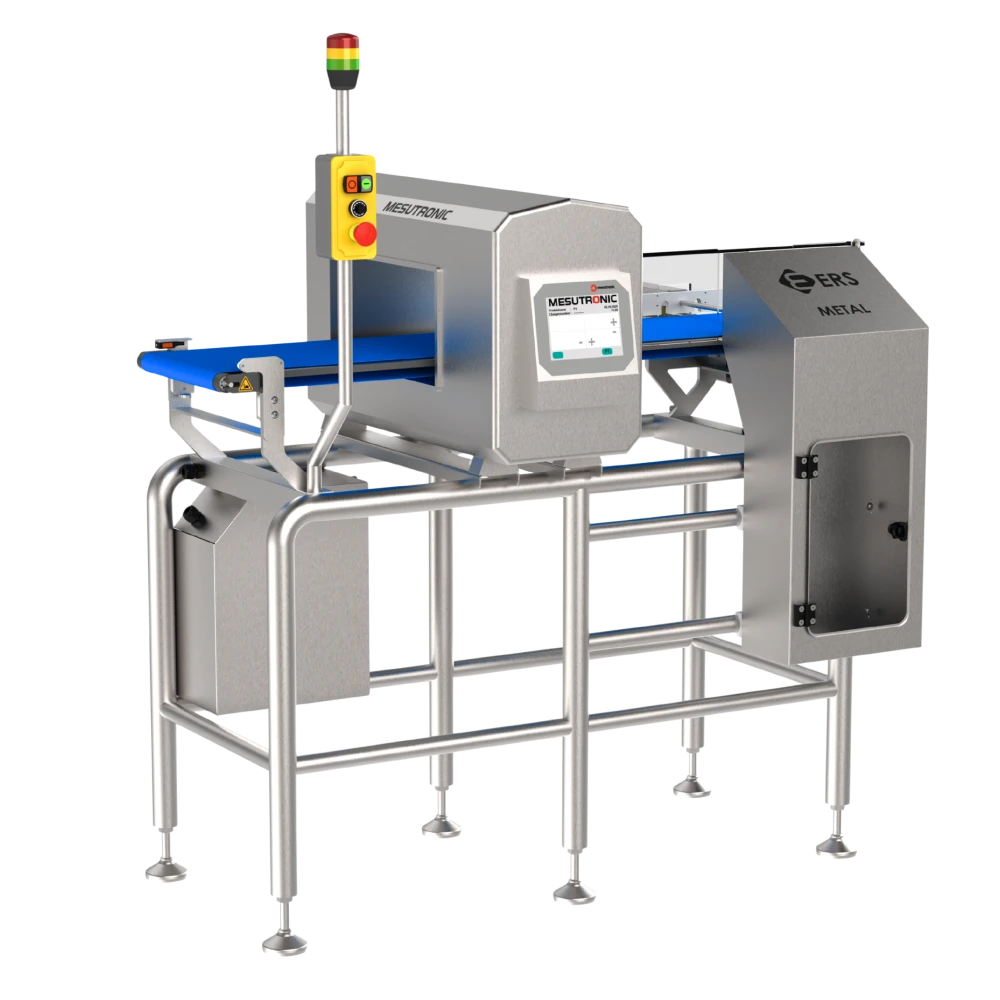
Metal Detector Price and Supply
When businesses decide to buy a metal detector, the decision usually goes far beyond selecting a machine and requesting a quotation. In industrial environments, purchasing the right inspection system requires a clear evaluation of production requirements, contamination risks, line compatibility, supplier reliability, and long-term operational value. This is especially important in sectors such as food processing, pharmaceuticals, packaging, chemicals, and industrial manufacturing, where inspection equipment must support both product protection and stable line performance.
A well-planned purchasing process helps manufacturers avoid mismatched systems, unexpected costs, and weak supply support after installation. Instead of focusing only on the initial figure in the offer, buyers should assess the full commercial framework around the machine. This includes metal detector price, available configuration options, delivery lead times, installation support, and after-sales service structure. When these factors are reviewed together, the buying decision becomes more strategic and much more cost-effective over time.
One of the most common mistakes in industrial purchasing is treating price as the only decision factor. While budget is obviously important, the lowest offer does not always create the best operational result. A cheaper system may lack the detection sensitivity, hygienic construction, rejection setup, or line integration capability required for the actual application. In some cases, lower-cost options can also lead to more downtime, weaker support, or earlier replacement needs.
For this reason, buyers should look at metal detector supply options as part of a wider investment decision. A reliable supplier should not only provide a competitive quotation, but also help clarify what is included in the system, what customization is possible, and how the solution fits the production environment. In industrial inspection, purchase quality and support quality are often as important as hardware quality.
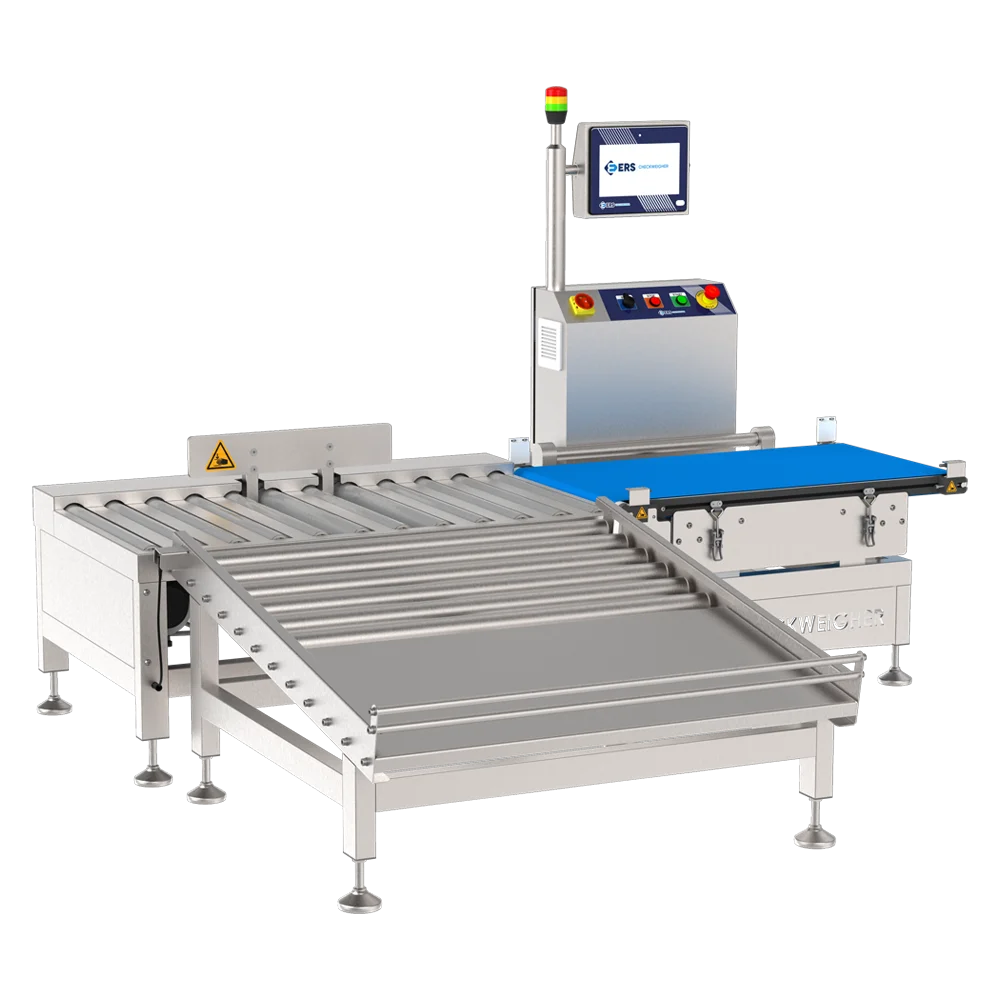
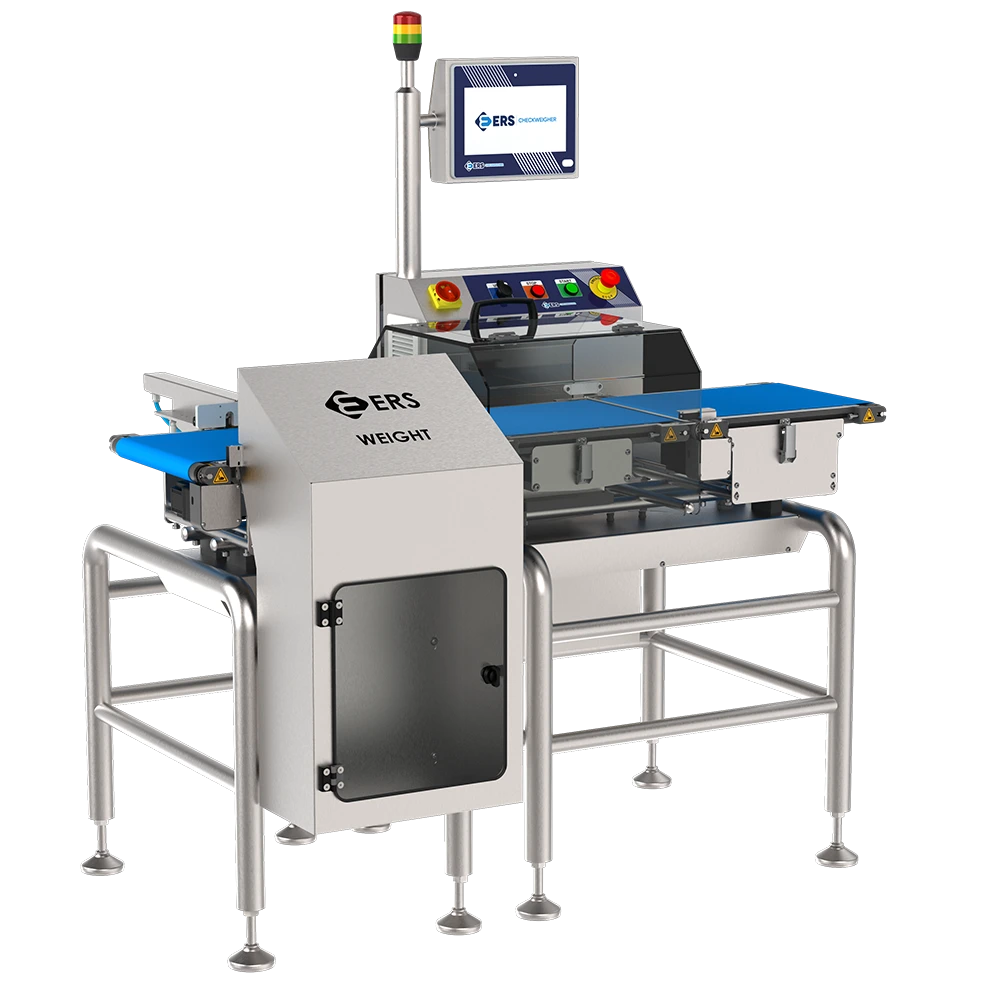
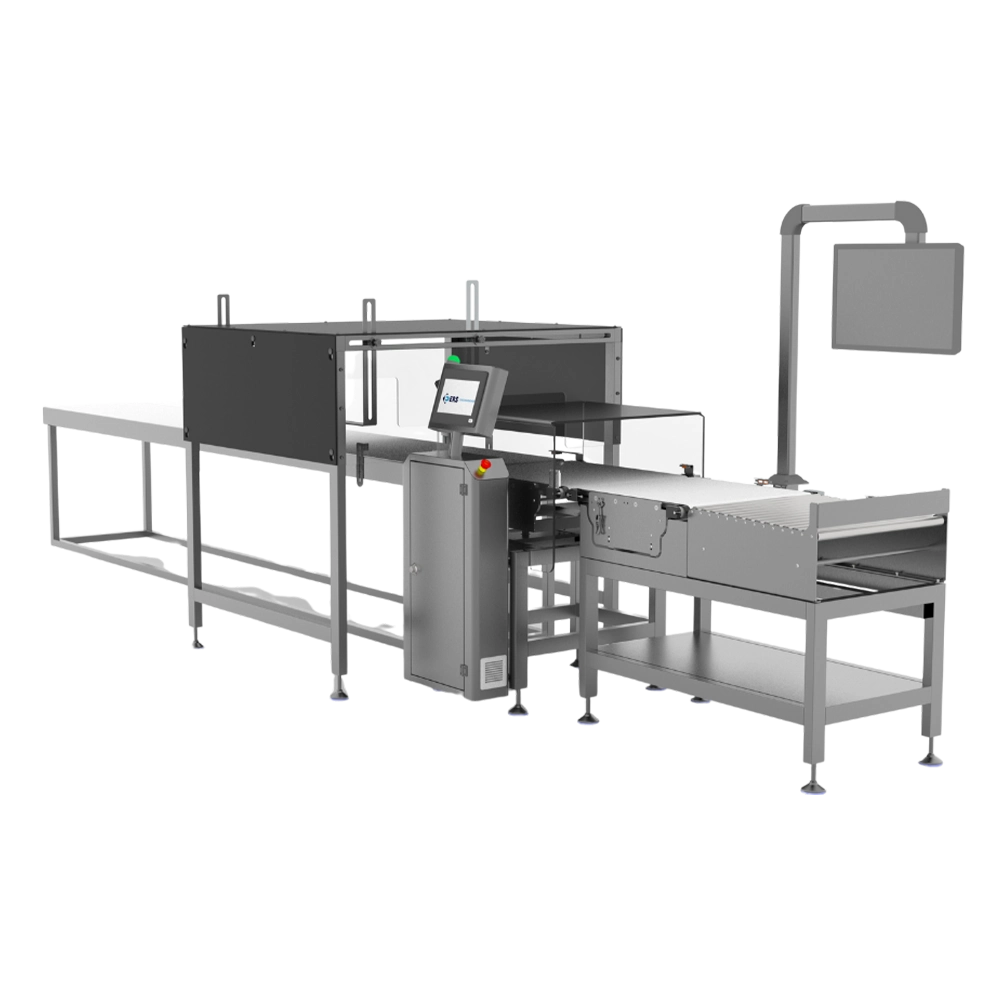

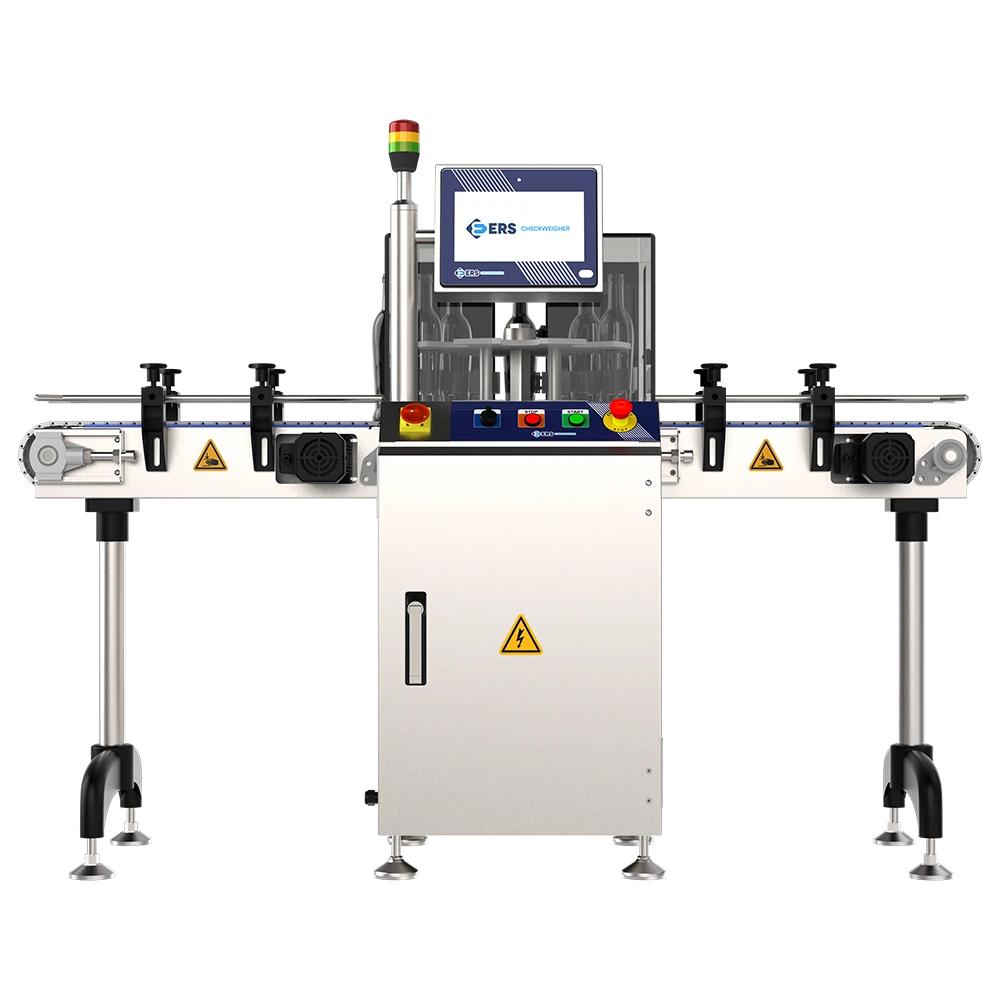

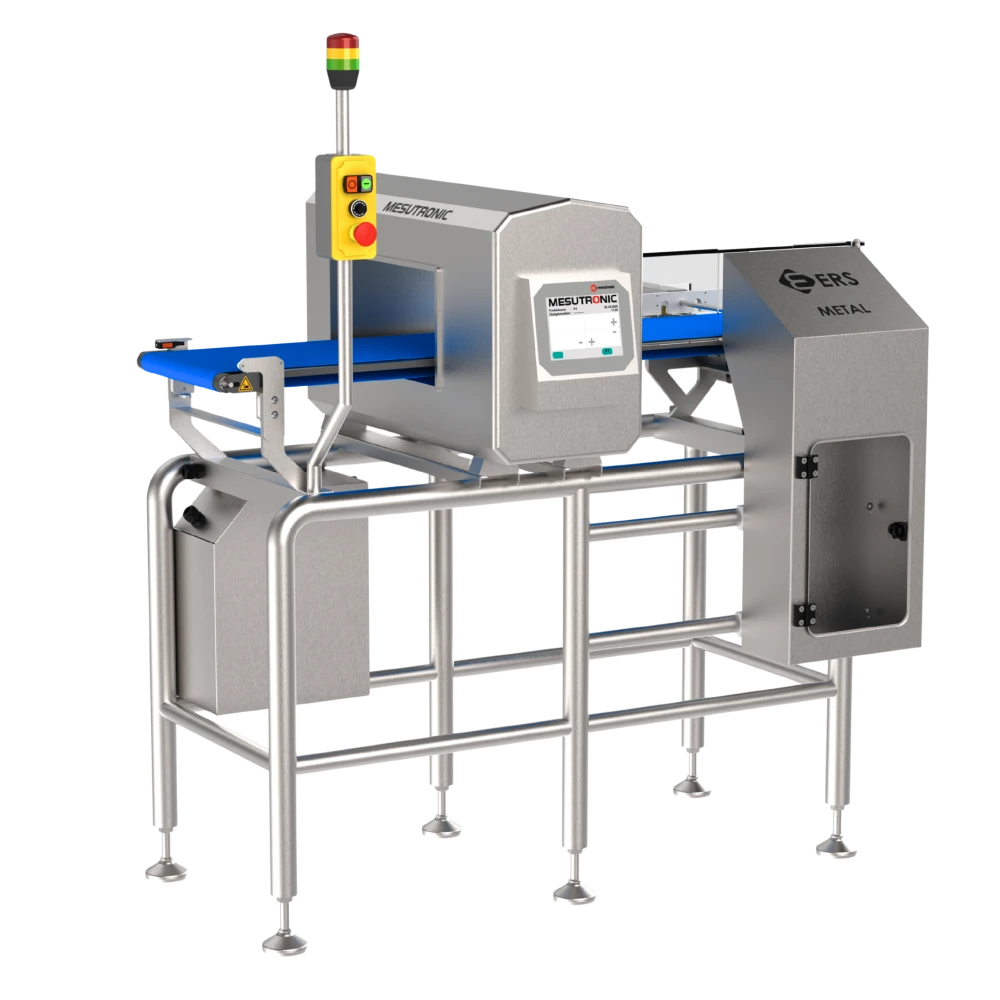
Key Factors That Affect Metal Detector Price
The price of an industrial metal detector can vary significantly depending on the application and system design. One of the biggest price drivers is machine type. A basic gravity-fed detector, a conveyor metal detector, a pipeline system, or a pharmaceutical tablet detector will each have different technical requirements and cost structures. In addition, the required sensitivity level, aperture size, product characteristics, and line speed all affect final pricing.
Construction quality is another important factor. Stainless steel body design, hygienic build standards, washdown suitability, interface technology, and reject mechanism selection can all influence the quotation. If the system is intended for food or pharmaceutical use, buyers may also need more advanced hygienic construction and validation-oriented configurations. This means that a buy metal detector decision should always begin with application clarity rather than price comparison alone.
Comparing Supply Options Before Purchase
When reviewing supply options, manufacturers should understand whether they are buying directly from a producer, through a distributor, from an integration partner, or from a reseller offering stock-based delivery. Each route can offer advantages depending on the project. Direct supply may provide stronger technical support and better customization possibilities. Distributor models may offer regional service access and faster communication. Stock supply can be useful when speed is more important than specification flexibility.
However, the best route depends on the production requirement. If the line needs a highly specific detector with custom dimensions, rejection systems, or interface integration, a more consultative supply model is often the better choice. If the application is straightforward and urgent, a ready-available system may be sufficient. Evaluating price and supply options together helps buyers choose not only the right machine, but also the right purchasing channel.
Choosing the Right Metal Detector for the Application
Before requesting pricing, the buyer should define what kind of product will pass through the detector, how the line is structured, what type of contamination risk exists, and what inspection standard is required. Dry products, wet products, packaged goods, bulk materials, tablets, powders, and liquid applications all have different inspection behaviors. The machine that works well for one product category may not be the right choice for another.
This is why industrial buyers should avoid generic procurement decisions. A properly selected system should fit the line mechanically and functionally. It should also support the expected throughput, rejection logic, and operator workflow. When the supplier understands the application and recommends a detector based on actual process needs, the result is usually better than buying only by catalog or headline price.
Supply Options
Explore flexible supply models designed to match different production needs, project timelines, and system configuration requirements.
Cost Efficiency
Evaluate metal detector solutions based on long-term value, operational fit, and overall inspection performance rather than price alone.
System Selection
Choose the right metal detector according to product type, line structure, inspection scope, and application-specific requirements.
Purchase Support
Strengthen your buying decision with clear quotation guidance, technical consultation, and dependable supply planning.
Supply Planning, Availability, and Lead Time
Price is only one side of the procurement equation. Supply timing is equally important, especially for manufacturers managing expansion projects, replacement needs, or urgent inspection upgrades. A detector that fits the budget but cannot be delivered within the required schedule may create operational delays and hidden costs elsewhere in the production process.
This makes lead time an important part of the commercial discussion. Buyers should clarify whether the system is made to order, available from stock, or dependent on optional components with longer delivery cycles. They should also ask what is included in the supply scope. Transport, commissioning, installation support, training, spare parts, and documentation should all be clearly defined before the purchase order is issued. A transparent supply structure reduces risk and improves planning accuracy.
Technical Support and After-Sales Service
When companies buy inspection equipment, they are not only purchasing a machine. They are also entering a support relationship with the supplier or technical partner. This is why after-sales capability should be considered as part of the buying decision. A detector may appear commercially attractive at first, but if technical service is slow, spare parts are difficult to access, or calibration support is weak, the long-term cost can rise significantly.
A strong supply partner should be able to support setup, operator familiarization, troubleshooting, maintenance planning, and future expansion needs. In regulated industries, documentation and validation support may also be important. These factors have a direct effect on operational continuity, especially when the detector becomes a critical control point in the line. For many manufacturers, the strength of post-sale support is one of the main reasons to choose one offer over another.
Buying for Food, Pharma, and Industrial Applications
The right purchase strategy also depends on the sector. In food production, buyers often focus on hygiene, cleanability, product effect management, and inline rejection performance. In pharmaceutical applications, the priority may shift toward precise control, validation support, and repeatable inspection behavior for tablets, capsules, sachets, or blister packs. In broader industrial environments, durability, line compatibility, and process stability may be more important than washdown design or hygiene-focused construction.
Because of these differences, the most suitable metal detector supply solution is rarely universal. A machine selected for dry snacks may not be suitable for wet packaged meals. A system chosen for general manufacturing may not meet the controlled requirements of pharmaceutical processing. Sector-specific selection improves both purchasing accuracy and long-term satisfaction with the equipment.
Evaluating Total Cost of Ownership
A smart buyer looks beyond the purchase price and evaluates the total cost of ownership. This includes maintenance needs, service access, part replacement, downtime risk, detection reliability, and the potential cost of missed contaminants or false rejects. A higher initial investment may actually create better value if it reduces production disruption and supports longer operational life.
This perspective is especially important when the detector is installed on a busy production line. If the system creates unnecessary stops, weak inspection performance, or repeated service calls, the cost to the business can quickly exceed any saving made at the purchasing stage. For this reason, the best buying decision usually comes from balancing commercial price, technical suitability, and operational durability together.
How to Compare Supplier Quotations More Effectively
When reviewing multiple quotations, buyers should compare more than the headline figure. They should check whether each supplier is offering the same type of machine, the same detection standard, the same reject arrangement, and the same support scope. Differences in construction, HMI, sensitivity, hygiene design, or commissioning support can make two offers look similar on paper while being very different in practice.
A useful quotation comparison should include system type, line compatibility, inspection capability, optional accessories, delivery time, installation support, warranty coverage, and service structure. This makes the decision more objective and helps procurement teams avoid misleading price comparisons. In industrial equipment purchasing, a lower quote is only attractive when it also meets the real operational need.
Long-Term Value of the Right Purchase Decision
Buying the right metal detector creates value far beyond the installation phase. A properly selected system helps reduce contamination risk, improve process control, support customer confidence, and protect product quality over time. It also gives manufacturers a stronger inspection structure that can adapt to future growth, product changes, and evolving quality expectations.
For this reason, a buy metal detector decision should be treated as a long-term investment rather than a short-term procurement task. When businesses choose a system with the right technical fit and the right supply structure, they gain more than a machine. They gain operational reliability, stronger process discipline, and a more stable quality control framework across the line.
Building a Smarter Purchase Strategy
The most effective way to buy a metal detector is to combine commercial evaluation with technical clarity. Buyers should define the product type, line conditions, detection requirements, budget range, and delivery expectations before entering quotation comparison. From there, they can evaluate suppliers based on support quality, customization capability, system performance, and long-term value.
For manufacturers comparing metal detector price and supply options, the goal should not be to find the cheapest offer at any cost. The goal should be to secure the most suitable inspection solution for the application, with dependable supply support and a pricing structure that makes sense for the business. That is what turns a purchase into a strong operational investment.
