
- Home
- Food Industry Metal Detector for Safe Packaging Lines
Food Industry Metal Detector Solutions
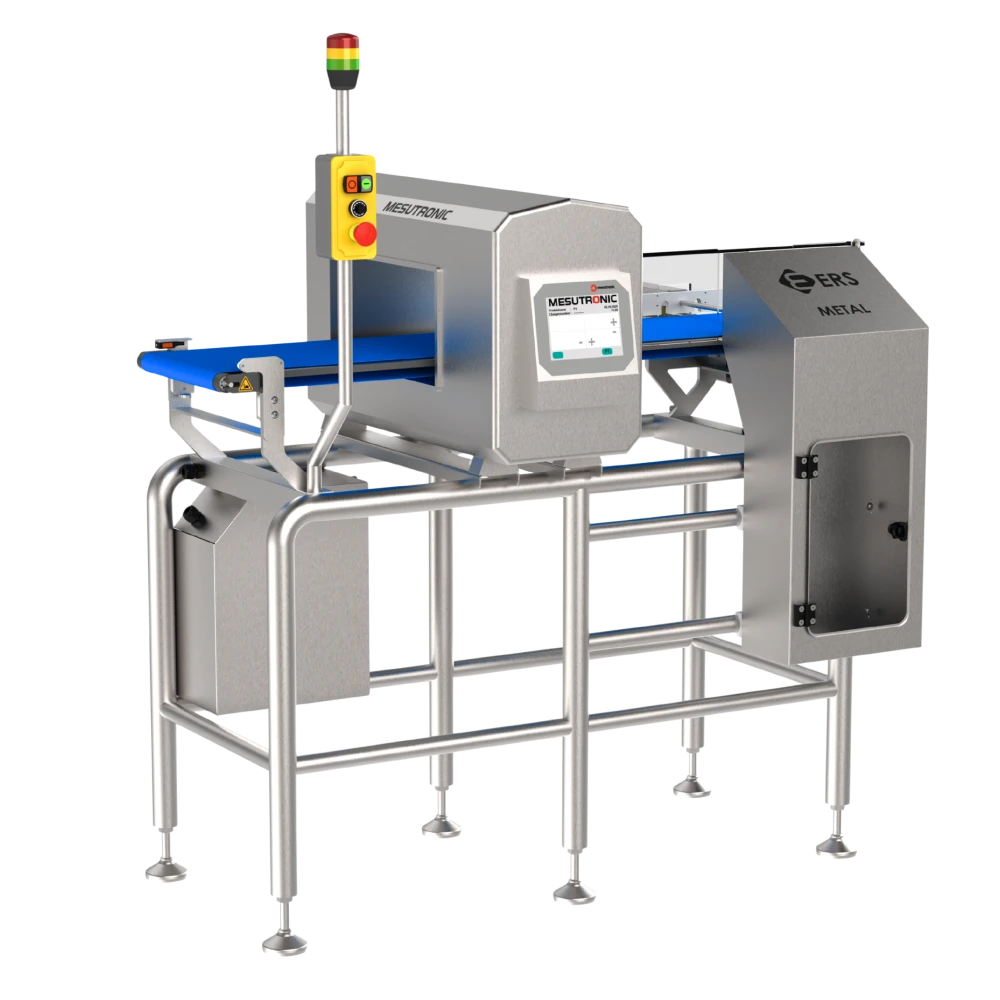
Food Industry Metal Detector
In food production, packaging is not only the final stage of the process. It is also one of the most sensitive control points for product safety, brand protection, and quality assurance. Any contamination issue detected at this stage can have serious consequences, including rejected batches, customer complaints, regulatory concerns, and damage to brand credibility. This is why a food industry metal detector is considered an essential inspection solution for manufacturers operating safe and controlled packaging lines.
Unlike manual inspection methods or occasional quality checks, a metal detector installed directly within the line provides continuous protection as products move through production. This helps manufacturers identify contamination risks in real time and prevent affected products from reaching final packaging or distribution. For companies working in food processing, this kind of inline control supports a safer, more disciplined, and more dependable packaging environment.
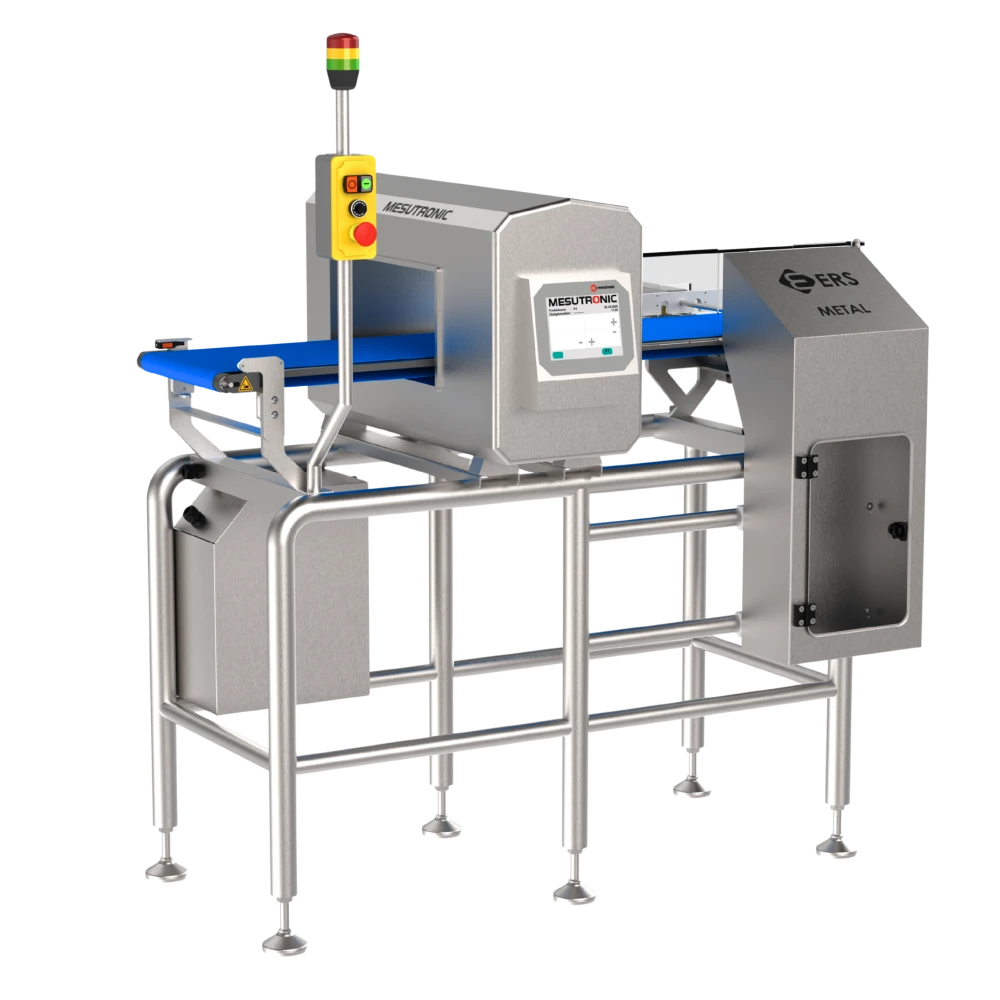
A food industry metal detector for safe packaging lines is specifically designed to support contamination control without interrupting product flow. In packaging environments where line speed, hygiene, and product consistency all matter, inspection systems must work reliably as part of the broader process. The detector must inspect products continuously, identify metallic contaminants accurately, and support immediate action when non-conforming items are found.
This makes metal detection especially valuable in packaged foods such as snacks, bakery products, frozen goods, dairy items, ready meals, confectionery, and other processed food categories. In these applications, the inspection stage must fit seamlessly into the packaging workflow while maintaining stable performance. A properly designed system helps manufacturers strengthen both food safety and operational continuity at the same time.
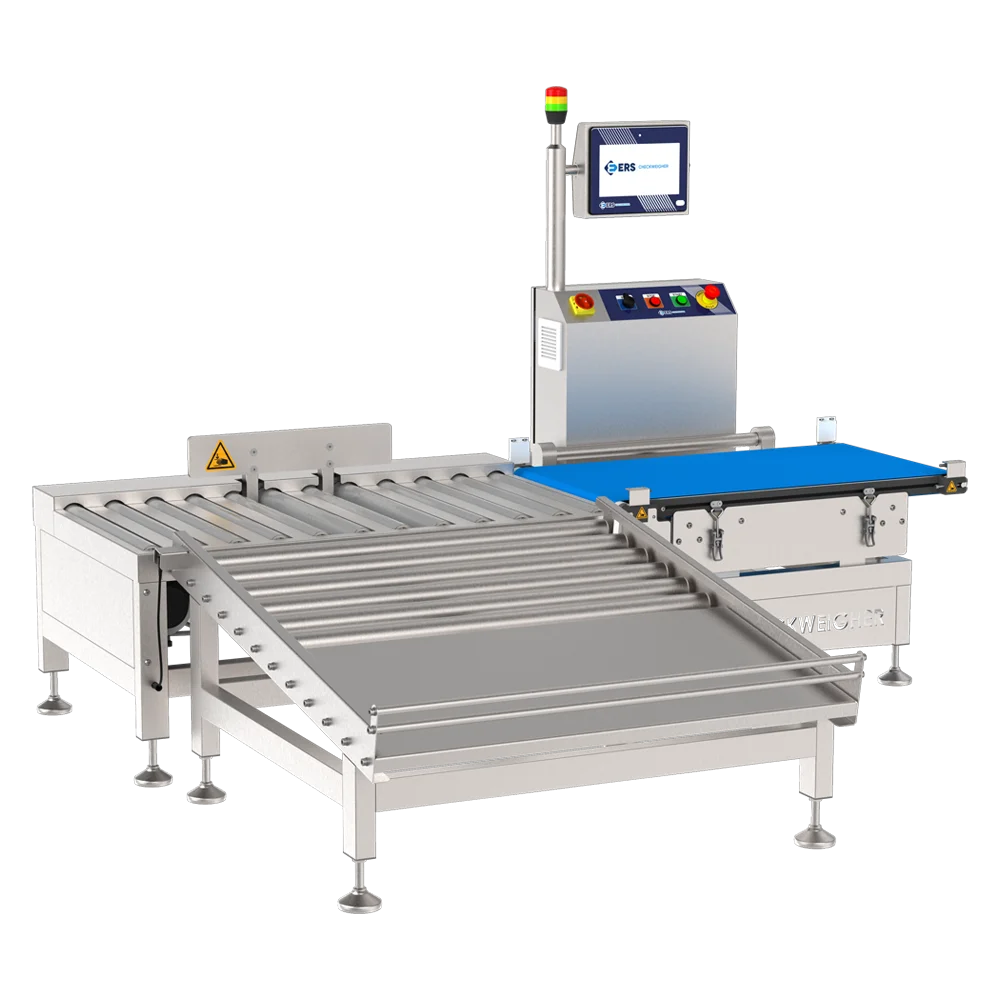
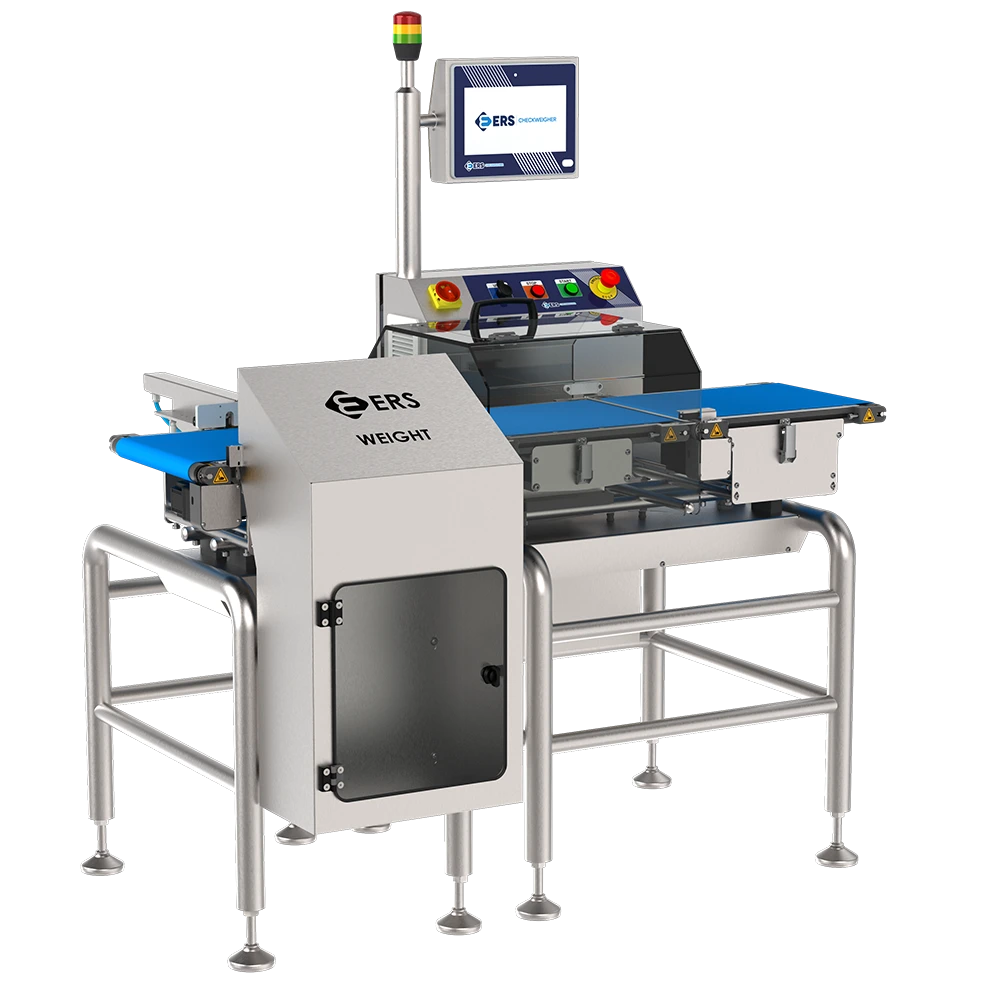
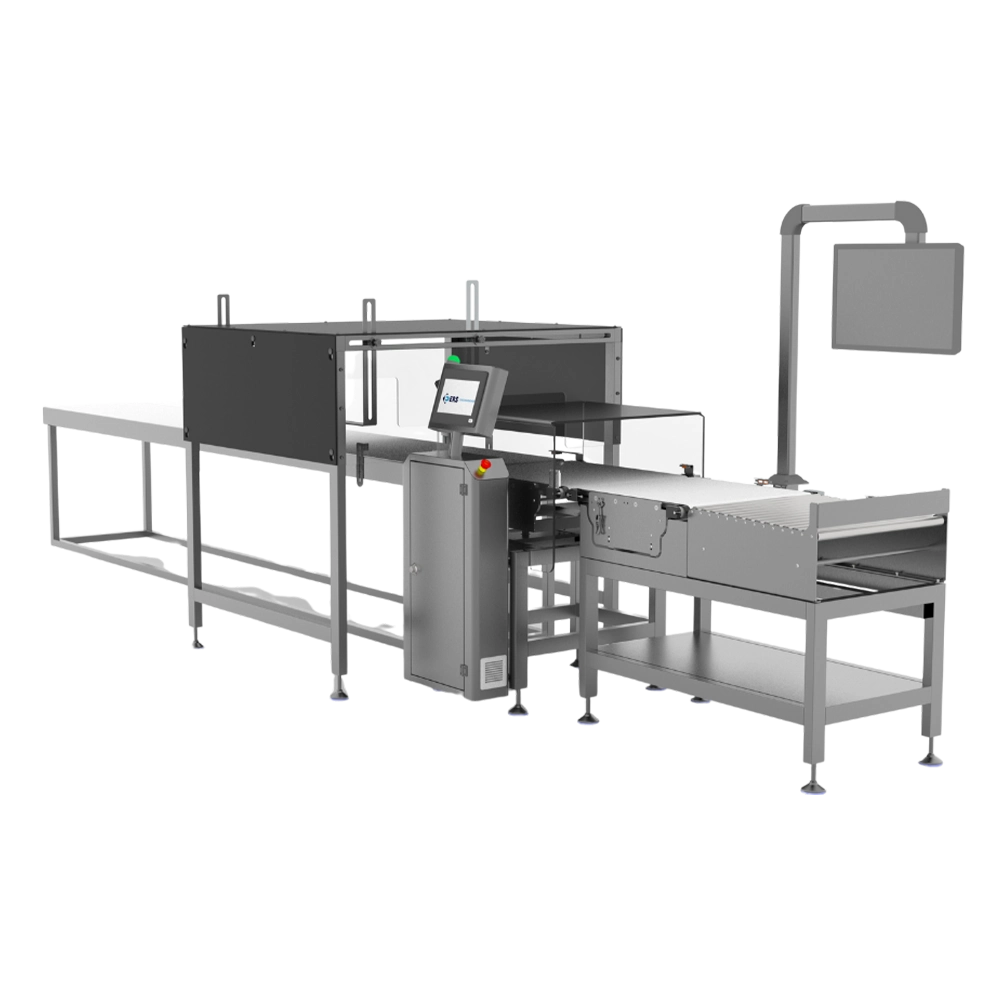


Built for Safe Packaging Line Applications
A food industry metal detector for safe packaging lines is specifically designed to support contamination control without interrupting product flow. In packaging environments where line speed, hygiene, and product consistency all matter, inspection systems must work reliably as part of the broader process. The detector must inspect products continuously, identify metallic contaminants accurately, and support immediate action when non-conforming items are found.
This makes metal detection especially valuable in packaged foods such as snacks, bakery products, frozen goods, dairy items, ready meals, confectionery, and other processed food categories. In these applications, the inspection stage must fit seamlessly into the packaging workflow while maintaining stable performance. A properly designed system helps manufacturers strengthen both food safety and operational continuity at the same time.
Accurate Detection of Metal Contaminants
The primary role of a metal detector for food packaging lines is to detect ferrous, non-ferrous, and stainless steel contaminants before products move further into sealing, labeling, boxing, or shipment. This level of inspection helps reduce contamination risk and provides a stronger safeguard for both the manufacturer and the end consumer. In food production, where even a small contaminant can create serious quality issues, accurate detection is not optional. It is a core part of responsible process control.
Reliable inspection performance depends on more than basic sensitivity. It also requires stable product handling, proper calibration, and a system design that suits the food product being processed. Moisture content, salt levels, packaging format, and line conditions can all influence detection behavior. A well-engineered detector helps manage these variables more effectively, giving production teams greater confidence in daily inspection results.
Supporting Safer Packaging Processes
Safe packaging lines depend on more than mechanical speed. They depend on inspection systems that actively protect product integrity as packaging operations continue. A food industry metal detector supports this by acting as a control barrier between food production and final market release. When contamination is detected before the product is fully packed and shipped, manufacturers gain a much stronger opportunity to protect both consumers and their own operational standards.
This inspection approach helps reduce the likelihood of contaminated products reaching customers and minimizes the cost of downstream corrective action. Instead of dealing with issues after distribution, manufacturers can stop contamination risks at the packaging stage. That creates a more secure and more manageable production process, especially in facilities where high output must be combined with strict food safety discipline.
Hygiene Standards
Designed for hygienic food production environments with cleanable construction and reliable inspection performance for safe packaging lines.
Fast Production
Supports continuous packaging flow with accurate metal detection and stable inline inspection in high-speed food processing operations.
Accurate Measurement
Detects ferrous, non-ferrous, and stainless steel contaminants with dependable sensitivity for safer food packaging control.
Food Safety
Helps protect packaged food products by identifying metal contamination before final sealing, packing, or shipment.
Hygienic Design for Food Production Environments
In food manufacturing, the design of the inspection system is just as important as its detection capability. A detector used in packaging lines must support hygienic production requirements through cleanable surfaces, durable materials, and a structure suitable for regular maintenance and sanitation procedures. This is why a modern food industry metal detector is typically engineered with hygiene, durability, and production practicality in mind.
A hygienic design helps reduce the risk of residue buildup, supports easier cleaning, and improves the long-term suitability of the machine for food handling environments. For manufacturers operating under strict internal and external hygiene standards, this type of construction is a practical necessity. It helps ensure that the inspection stage supports the same safety expectations as the rest of the packaging line.
Continuous Inline Inspection Without Slowing the Line
One of the key advantages of a food industry metal detector for safe packaging lines is its ability to perform continuous inspection without disrupting throughput. Food manufacturers often work with fast-moving packaging processes where delays can affect efficiency, labor planning, and downstream coordination. An inline detector helps avoid these issues by inspecting products as they move through the line, rather than requiring separate or manual control steps.
This keeps the workflow more stable and helps operators maintain line efficiency without sacrificing inspection coverage. Every product can be checked in motion, allowing the system to support both productivity and safety in parallel. In high-volume food packaging environments, this balance between speed and control is one of the most important operational advantages of inline metal detection.
Automatic Rejection for Contaminated Products
A complete inspection strategy does not end with detection alone. Once contamination is identified, the system must also help ensure that affected products are removed quickly and consistently. This is why many food packaging lines pair metal detectors with reject systems that automatically remove contaminated items from the process. The result is a more reliable workflow in which inspection and corrective action happen together.
Automatic rejection reduces the need for manual sorting and lowers the risk of contaminated products remaining on the line. It also supports stronger process discipline by ensuring that the response to contamination is immediate and standardized. In safe packaging environments, this type of system response is critical because it helps maintain both product integrity and production efficiency at the same time.
Improving Food Safety and Brand Protection
A contamination issue in the food industry can affect far more than one batch of products. It can damage customer trust, trigger financial loss, and create long-term reputational harm. A dependable food industry metal detector helps reduce these risks by providing an additional layer of safety before products leave the line. This supports broader food safety objectives and gives manufacturers stronger control over one of the most important points in the packaging process.
Inspection systems also contribute directly to brand protection. When food products are checked consistently and contamination risks are managed effectively, the company is better positioned to maintain quality expectations and customer confidence. Over time, that reliability becomes part of the brand itself. For this reason, metal detection is not only a technical function. It is also a business-critical component of long-term quality assurance.
Integration with Modern Packaging Lines
Today’s packaging operations rely on connected systems that work together with minimal disruption. A metal detector for safe packaging lines should therefore integrate smoothly with conveyors, reject devices, packaging equipment, control units, and line monitoring systems. This transforms the detector from a standalone inspection tool into a coordinated part of the broader packaging infrastructure.
When integrated effectively, the detector supports more synchronized production flow and clearer process visibility. Alarm events, rejection activity, and inspection results can be managed more efficiently, while operators gain better control over how the inspection stage fits into the full packaging sequence. In automated food production, this level of integration improves both operational simplicity and process reliability.
Better Process Visibility and Quality Control
Modern food manufacturers need more than pass-or-fail inspection. They need visibility into how the line is performing, where contamination events occur, and how inspection outcomes affect the wider packaging process. A well-configured detector contributes to this by providing measurable information about system performance, rejection activity, and overall inspection consistency.
This kind of visibility supports stronger internal quality control and helps production teams make better-informed decisions. Operators can identify unusual patterns earlier, supervisors can review system performance more effectively, and quality teams can build more confidence in packaging line control. For facilities focused on continuous improvement, better visibility creates a stronger foundation for safer and more efficient operations.
Long-Term Value for Food Manufacturers
Choosing the right food industry metal detector is not only about meeting immediate inspection needs. It is also about building a safer and more dependable packaging structure for the future. A properly selected and integrated system helps manufacturers improve contamination control, maintain stable throughput, reduce manual intervention, and support stronger food safety practices over time.
For food businesses operating in competitive markets, these advantages create measurable long-term value. Better inspection discipline leads to better product consistency, improved protection against contamination events, and stronger operational confidence across the line. In this way, a metal detector becomes more than a packaging accessory. It becomes an essential investment in production quality, product safety, and brand reliability.
A Smarter Approach to Safe Food Packaging
As packaging lines become faster and more automated, the need for reliable contamination control continues to grow. A food industry metal detector for safe packaging lines answers this need by combining accurate detection, hygienic design, continuous inline inspection, and dependable system integration. It helps create a packaging process that is safer, more controlled, and better aligned with modern food production demands.
For manufacturers seeking stronger inspection performance without disrupting line efficiency, metal detection remains one of the most practical and effective solutions available. It supports a production environment where food safety, quality assurance, and packaging continuity work together from start to finish.
